Floods can devastate homes, infrastructure, and daily routines in a matter of hours. Once the waters recede, the real work begins—restoring the home and ensuring it’s safe for occupancy. Among the most critical systems to assess and repair is plumbing. Floodwater doesn’t just soak drywall or ruin furniture; it can cause serious, often hidden damage to plumbing infrastructure. Understanding what to do in the aftermath of a flood is key to restoring the system and protecting your health and property.
Assessing the Situation Safely Before Any Plumbing Work
Before touching anything plumbing-related, safety comes first. A flooded home may still have standing water, and this can mix with sewage, chemicals, or other hazardous materials. Always ensure the electricity and gas are turned off to avoid accidents. Personal protective equipment such as gloves and waterproof boots is essential during this stage. If there’s a strong sewage odor or visible signs of contamination, it’s best to call professionals to evaluate the site. A plumber or disaster recovery specialist can conduct a thorough inspection to determine if the plumbing system is structurally sound before repairs begin.
Understanding the Risks of Contaminated Water
 Floodwater is rarely clean. It often carries bacteria, viruses, industrial pollutants, and other hazardous substances. If this water enters your plumbing system, it can contaminate your drinking water and compromise your health. Even after the floodwaters recede, residues left behind in pipes, drains, or water heaters may pose long-term risks. Flushing the system, disinfecting pipes, and sometimes even replacing segments of the plumbing network become necessary steps. Homeowners should never assume their water supply is safe to use until it’s been professionally tested and cleared.
Checking for Visible and Hidden Damage
Flooding can put intense pressure on both above-ground and underground pipes. While some damage may be obvious—like cracked pipes, leaking joints, or dislodged fixtures—other issues might remain hidden for weeks. Subtle signs such as low water pressure, gurgling drains, or strange odors might indicate internal problems. In some cases, the shifting of soil during a flood can displace underground piping, leading to misalignments or ruptures. A comprehensive inspection using video pipe cameras can reveal these less obvious issues before they cause additional complications.
Evaluating the Sewer System Integrity
One of the most significant threats after flooding is sewer system backup. If the municipal sewer system overflows, it can force raw sewage back into home drains and toilets. This kind of contamination is hazardous and requires immediate attention. Installing or checking backwater valves can prevent this from recurring in the future. After a flood, these valves and the broader sewer lines should be inspected and, if necessary, replaced to ensure they function properly under pressure. In many cases, flushing and disinfecting the sewer system is a must to eliminate bacteria and foul odors.
Cleaning and Sanitizing the Plumbing System
Sanitization plays a vital role in disaster recovery. Even after water is drained, the bacteria and residues it carried can cling to the inside of pipes. This can result in long-term health issues and recurring smells. The disinfection process typically involves flushing the system with a chlorine bleach solution, followed by extensive rinsing with clean water. Water heaters, storage tanks, and even faucet aerators should be included in this cleansing process. Any component that has come into contact with contaminated water needs to be treated or replaced.
Dealing with Mold and Mildew in Plumbing Spaces
Moisture trapped behind walls or under floors where pipes run can become breeding grounds for mold and mildew. These fungi don’t just affect air quality—they can slowly eat away at building materials and plumbing insulation. Areas around sinks, water heaters, and basement pipes are especially vulnerable. Thorough drying, sometimes involving industrial fans or dehumidifiers, is essential to mitigate mold growth. Once dry, surfaces should be treated with mold-inhibiting solutions to prevent regrowth. Any insulation or drywall that shows signs of mold contamination should be removed and replaced.
Testing Water Quality Before Reuse
Before resuming normal use of the water supply, it’s crucial to test water quality through a certified lab. Floods often bring in bacteria like E. coli or contaminants like lead if the system has been compromised. Tests should cover not just drinking water but also the water used for bathing and laundry. Even after disinfection, some systems may require secondary treatment or filtration. Homeowners may also consider installing point-of-use water filters for added safety. It’s important not to rely solely on taste or appearance; water can seem clear and still harbor dangerous pathogens.
Inspecting and Servicing Water Heaters and Boilers
Water heaters and boilers are vulnerable during floods because they often sit in low-lying areas like basements. Floodwater entering these units can destroy electrical components, cause rusting, and leave sediment inside tanks. In many cases, replacing the unit is more cost-effective and safer than attempting repairs. If the system appears salvageable, a technician should disassemble and thoroughly clean the tank, inspect all internal parts, and test for functionality. Tankless water heaters may fare better depending on their installation height, but they too require a professional checkup before being put back into use.
Evaluating Irrigation and Outdoor Plumbing Systems
Floods don’t just affect the inside of a home. Outdoor plumbing, including irrigation lines, spigots, and stormwater drains, can be impacted too. Soil erosion can displace or damage underground lines. Sprinkler control boxes, pumps, and valves may short-circuit if exposed to water. It’s important to check these systems for leaks, blockages, or electrical faults before turning them back on. Restoring your yard’s drainage system is also critical to preventing future waterlogging, especially if floodwaters left behind debris that clogged natural water pathways.
Planning for Long-Term Resilience
Once emergency repairs are completed, it’s time to think about how to prevent such plumbing disasters in the future. Installing sump pumps with battery backups, backflow prevention devices, and improved drainage systems around the home can mitigate future flood damage. Elevating major appliances and important plumbing fixtures above potential flood levels can also reduce vulnerability. Additionally, having regular plumbing inspections—especially in flood-prone areas—can identify issues before they become crises. Investing in these preventative measures not only protects your home but also gives you peace of mind during storm seasons.
Partnering with Licensed Professionals
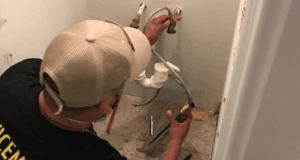 Flood recovery isn’t a DIY project when it comes to plumbing. Many issues require specialized equipment, technical knowledge, and adherence to local codes. Partnering with licensed plumbers and disaster restoration professionals ensures that repairs are done correctly and safely. These experts can also help with documentation for insurance claims by providing detailed reports of damages and repairs. It’s also worth verifying that the professionals you hire have experience with post-flood recovery, as it involves a different skill set compared to general plumbing work.
Navigating Insurance and Permits
After a flood, dealing with insurance can be overwhelming, but it’s a necessary part of the plumbing recovery process. Homeowners should document all visible damage with photos and keep a record of all repair work, including receipts and service reports. Some plumbing repairs may require permits, especially if sewer lines, water mains, or structural plumbing are involved. Working with professionals who understand local regulations can streamline this process and avoid potential legal or compliance issues. Prompt action and detailed documentation often result in smoother insurance claim outcomes.
Rebuilding with Better Materials
When replacing pipes or fixtures after a flood, it’s an opportunity to upgrade to more resilient materials. PEX piping, for example, resists corrosion and can handle freezing and expansion better than older metal pipes. Anti-microbial plumbing components and water-resistant insulation can help minimize long-term risks. Consider also installing smart leak detection systems that alert you in real-time to water flow anomalies. These small investments can make a significant difference in protecting your property in the future.
Supporting Community Preparedness
Flood recovery doesn’t stop at your property line. If your neighborhood has faced significant damage, organizing community-level assessments and preparedness efforts can make the area more resilient to future disasters. Sharing resources, tips, and trusted contractors can help everyone recover faster. Advocating for improved stormwater management systems and emergency response planning with local authorities can contribute to broader community safety. Plumbing, often overlooked in these discussions, is a key part of keeping neighborhoods habitable and hygienic after floods.