Water reuse is no longer a futuristic concept. It has become a central element of sustainable living, addressing the global challenge of water scarcity. At the heart of this transformation lies plumbing — a system once seen as merely a household necessity, now a key player in the smart management and recycling of water. The integration of modern plumbing techniques into water reuse technology is not just enhancing efficiency but also reshaping how societies perceive and utilize water.
Understanding the Foundation of Water Reuse
Water reuse technology involves collecting, treating, and redistributing used water for various purposes. This can range from irrigating landscapes and flushing toilets to supplying industrial processes and even augmenting potable water supplies in some areas. Without a solid plumbing infrastructure, the journey of reused water from source to secondary use would be nearly impossible. Plumbing networks are responsible for transporting greywater or wastewater, directing it to treatment facilities, and channeling the cleaned water back into the system safely and effectively.
Greywater and Blackwater Differentiation in Plumbing Design
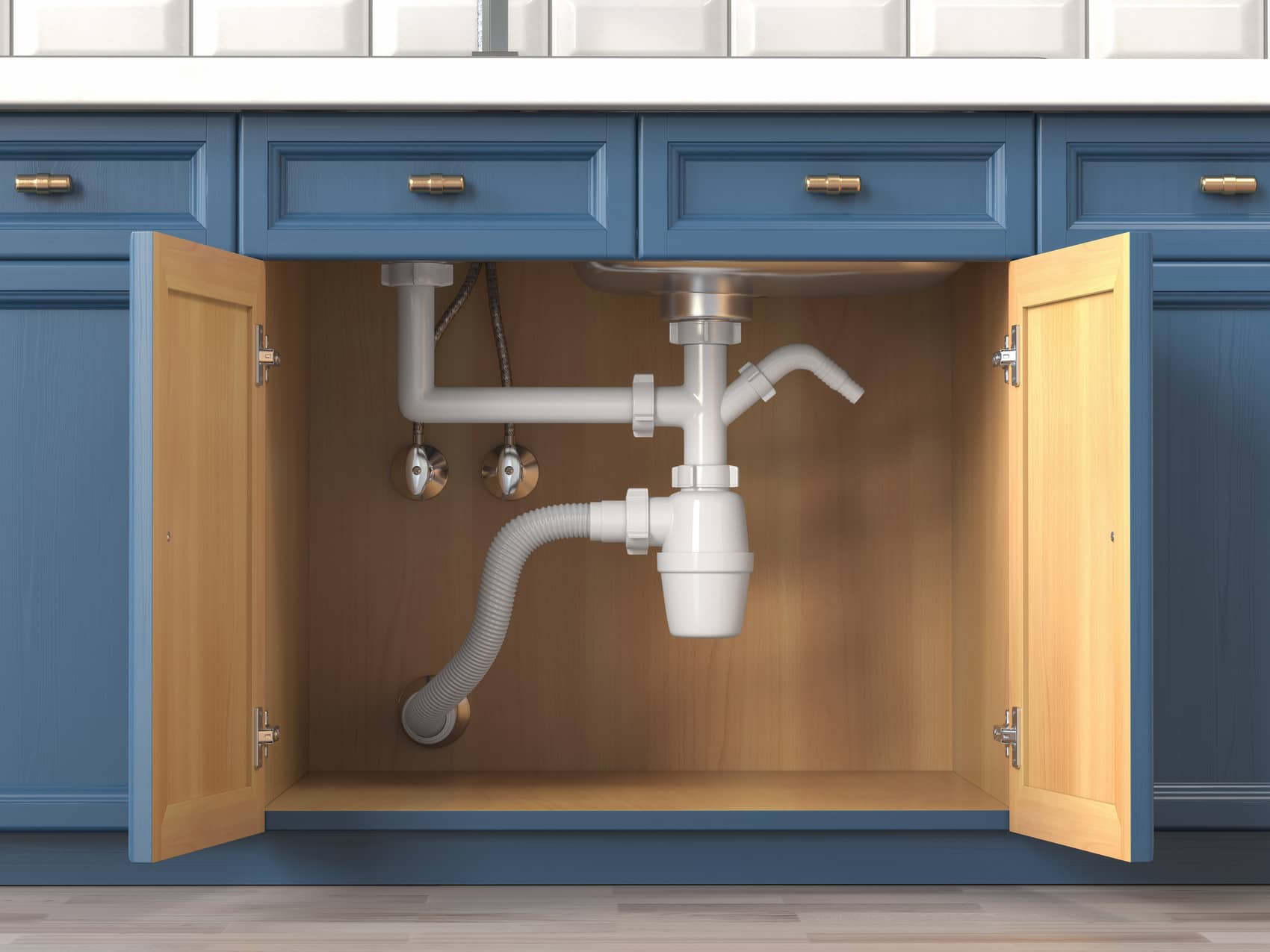
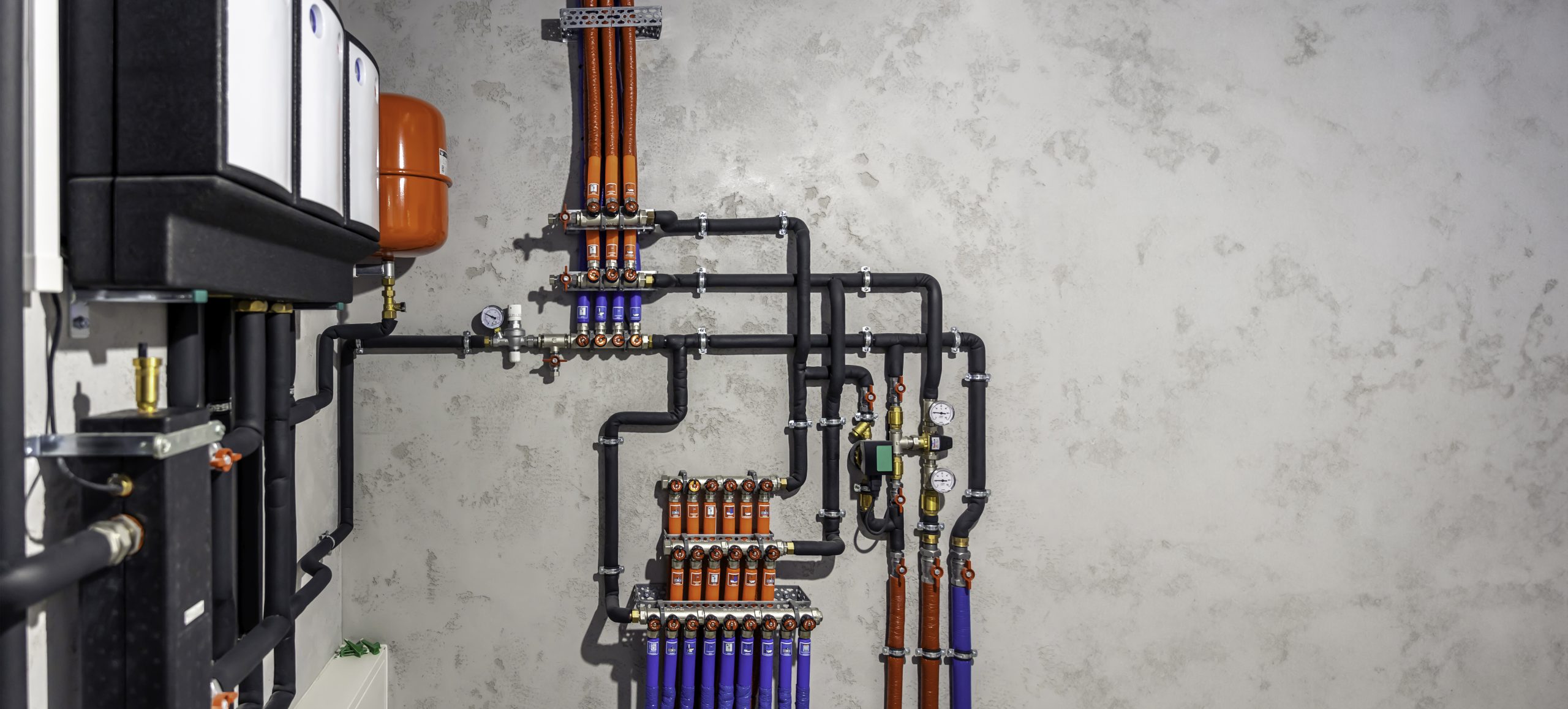
Effective plumbing design starts with a clear distinction between greywater and blackwater. Greywater comes from non-toilet sources such as sinks, showers, and washing machines, and is much easier to treat and reuse. Plumbing systems must be designed to isolate these sources at the household or commercial level to ensure that reusable water remains uncontaminated. Pipes, valves, and connectors are strategically laid out to capture greywater separately from blackwater, which contains harmful pathogens and requires more intensive treatment.
In advanced buildings, dual plumbing systems are employed to manage this segregation. These systems allow for two parallel pipelines — one carrying freshwater and the other delivering treated greywater for specific uses. This separation is key to ensuring safety while maximizing water reuse opportunities.
Innovative Plumbing Techniques in Modern Architecture
Modern architectural projects are increasingly incorporating plumbing innovations that support water reuse. Features such as recirculating showers, water-efficient faucets with built-in filtration, and under-sink treatment units demonstrate how plumbing has evolved to support sustainability goals. These installations are no longer limited to high-end green buildings; they are becoming part of standard design across various building types.
Architects and engineers now collaborate closely with plumbing experts from the earliest design stages. This collaboration ensures that reused water can flow efficiently through a structure, minimizing waste and maximizing functionality. Vertical plumbing stacks, sensor-operated valves, and automated metering technology all contribute to optimizing reuse strategies within both residential and commercial spaces.
The Importance of Storage and Distribution Networks
Storage is a critical component of any water reuse system. Once water has been collected and treated, it must be stored in tanks before redistribution. Plumbing plays a crucial role here, ensuring that water moves seamlessly into and out of storage units without contamination. Pressure-balancing valves, check valves, and anti-siphon devices are vital plumbing components that safeguard the quality of stored water.
Distribution through the building or landscape also depends heavily on smart plumbing layouts. For example, irrigation systems that utilize recycled water require specialized pipes that resist corrosion and are clearly labeled to prevent accidental cross-connection with potable water lines. In larger developments, such as universities or urban districts, this network becomes increasingly complex and requires highly engineered plumbing solutions to maintain efficiency and compliance with local regulations.
Energy Efficiency in Plumbing for Water Reuse
Water reuse isn’t just about saving water — it also presents an opportunity to reduce energy consumption. Heating water accounts for a significant portion of residential and commercial energy use. Plumbing systems designed to recover heat from greywater, such as heat exchangers installed in drainpipes, can dramatically cut down on energy waste. These systems capture residual heat from shower or laundry water before it goes down the drain and use it to preheat incoming cold water.
This integration of thermal recovery into plumbing layouts underscores the multi-functional potential of reuse-focused plumbing systems. By thinking beyond basic transport and focusing on the energy-water nexus, plumbing becomes a central tool in building design for sustainability.
Regulatory Compliance and Plumbing Standards
As the role of plumbing in water reuse grows, so does the importance of regulation and standardization. Local and national plumbing codes are evolving to include provisions for greywater reuse, stormwater harvesting, and blackwater treatment. Plumbers and designers must be well-versed in these guidelines to ensure their systems are compliant and safe.
Permitting, inspections, and certifications all play a role in the plumbing design and installation process. For example, some jurisdictions mandate that non-potable water pipes be color-coded and clearly marked. Plumbing systems must also include backflow prevention measures to eliminate the risk of contamination. Staying ahead of these evolving standards is essential for any professional involved in implementing water reuse technologies.
Community-Scale Plumbing for Water Reuse
While individual buildings are important, community-scale systems offer even more impressive opportunities for water reuse. Plumbing infrastructure at this scale includes networks of pipes that collect stormwater or greywater from multiple buildings, deliver it to a central treatment facility, and then distribute the treated water for irrigation, industrial use, or even cooling in large-scale HVAC systems.
These systems are most successful in planned developments where plumbing is integrated into the overall design from the outset. The coordination between municipal water departments, developers, and plumbing engineers ensures that water can be reused safely and effectively throughout the community. Plumbing infrastructure here isn’t just a behind-the-scenes utility — it becomes a key feature of community resilience and environmental stewardship.
Smart Plumbing and Real-Time Monitoring
One of the most exciting developments in plumbing for water reuse is the rise of smart technology. Digital sensors and internet-connected devices allow for real-time monitoring of water quality, flow rates, and pressure levels. This not only improves the efficiency of reuse systems but also ensures safety and reliability.
Smart plumbing systems can detect leaks, track water usage patterns, and automatically adjust flow rates based on demand. For water reuse, this means treatment systems can be scaled dynamically and issues like pipe blockages or contamination can be addressed immediately. The combination of plumbing hardware with digital control platforms represents a major leap forward in how we manage reused water.
Public Perception and the Role of Plumbing in Building Trust
 Despite advances in technology, public acceptance remains a significant barrier to widespread adoption of water reuse. Plumbing has a vital role to play in addressing these concerns. High-quality plumbing systems that ensure no cross-contamination, maintain water clarity, and consistently deliver treated water for non-potable use help to build public trust.
Transparent plumbing design, where reused water pipelines are visible and well-labeled, adds an extra layer of confidence for users. Educational outreach supported by plumbing professionals can further demystify the reuse process and demonstrate how safe and sustainable water systems can be achieved without compromising hygiene or comfort.
The Future of Plumbing in a Water-Scarce World
As climate change and population growth continue to strain freshwater supplies, the demand for water reuse will only increase. Plumbing systems must evolve accordingly, incorporating materials that are more durable, components that are more intelligent, and designs that are more flexible. The future of water reuse relies on plumbing that is not just functional but also adaptive.
Emerging trends such as decentralized treatment units for homes, modular plumbing systems for temporary or mobile structures, and AI-powered maintenance scheduling will continue to push the boundaries of what plumbing can achieve. With the right infrastructure, plumbing can enable communities to thrive even in regions facing severe water shortages.