Modern cities are increasingly defined by their skylines. As urban populations grow, vertical expansion becomes the only viable solution. Skyscrapers, once rare architectural marvels, are now central features in global metropolises. Yet, building vertically brings not just structural or architectural concerns but serious infrastructural ones—none more complex than plumbing. Managing water supply, drainage, and waste disposal in buildings that stretch hundreds of feet into the sky is far more than a scaled-up version of conventional plumbing. It requires advanced engineering, thoughtful design, and constant maintenance to overcome unique challenges.
Water Pressure Management
One of the most fundamental challenges in high-rise plumbing is managing water pressure. In low-rise buildings, gravity assists in creating adequate water flow. However, in a skyscraper, delivering water to upper floors requires immense pressure. Water must often travel hundreds of feet vertically, which naturally reduces pressure due to gravitational resistance and friction loss in pipes. To ensure that residents on the upper floors enjoy the same water pressure as those on the lower levels, engineers rely on a system of pumps, pressure zones, and water storage tanks.
This approach often divides a skyscraper into vertical zones, each with its own pumping and storage system. However, maintaining consistency between zones and preventing either too much or too little pressure is a delicate balancing act. Excessive pressure can cause pipes to burst, while insufficient pressure can lead to inadequate flow or complete service disruption.
Structural Limitations and Vertical Plumbing Shafts
 In skyscrapers, space is a luxury. Architects and engineers must strike a careful balance between aesthetics, structural integrity, and functionality. Plumbing systems must fit into tight spaces, often within vertical shafts that also house electrical and HVAC systems. These shafts need to run the full height of the building while being strategically located for maximum efficiency and minimal interference with living or working space.
Routing pipes in these constrained vertical shafts adds another layer of complexity. Maintenance access must be preserved, and future repair considerations have to be planned from the beginning. Moreover, the added weight of water-filled piping must be considered in the overall structural load, especially in the case of cast iron and steel plumbing systems.
Drainage and Gravity-Based Systems
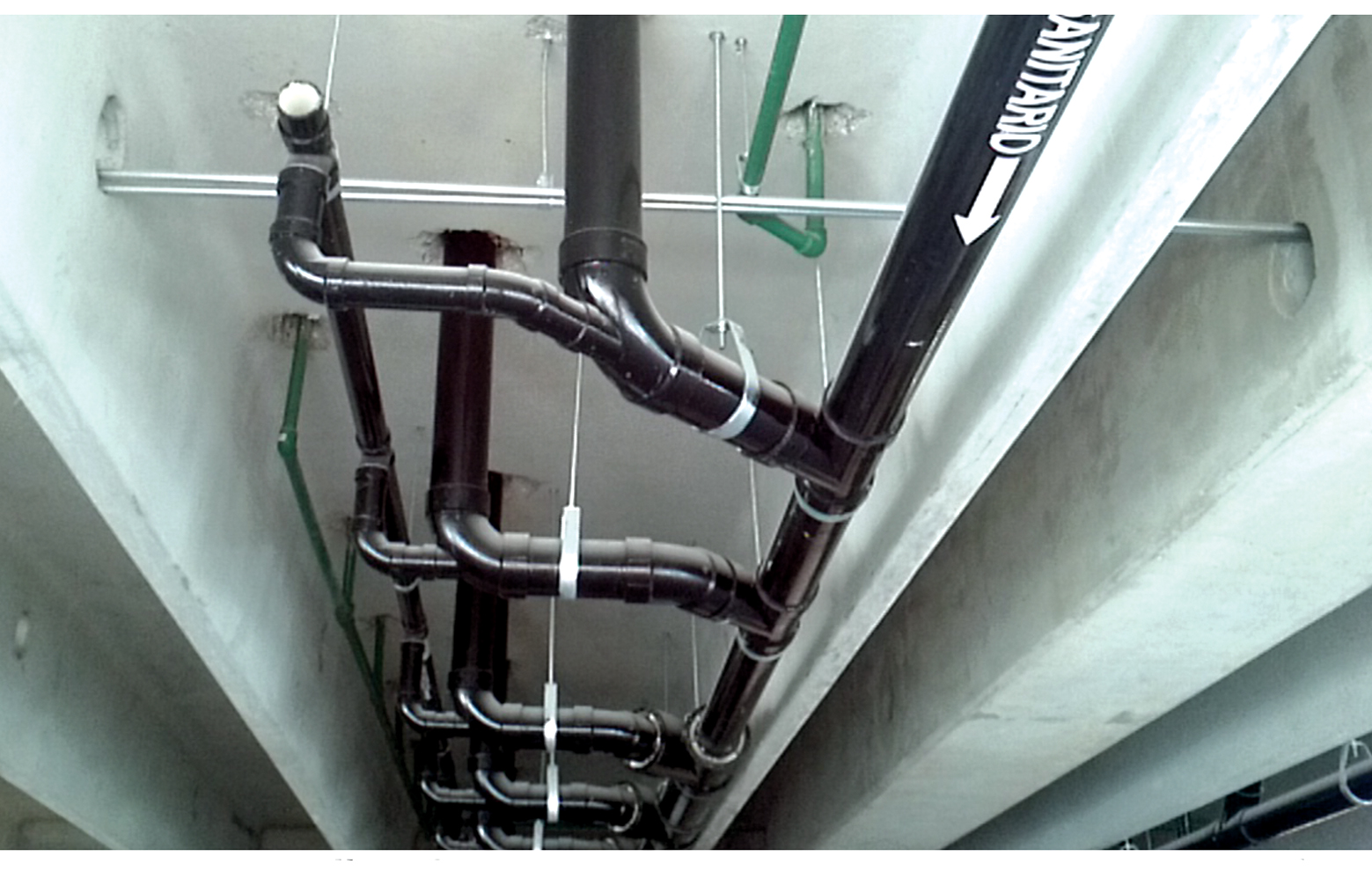
While delivering water upward presents one set of problems, getting wastewater to travel down efficiently introduces another. Drainage in skyscrapers still relies largely on gravity, which poses unique risks. As water and waste travel downward through vertical stacks, they can create pressure fluctuations, siphon traps, or even force wastewater back up into other units if not managed properly.
To prevent such issues, engineers incorporate air admittance valves and vent stacks to equalize pressure within the drainage system. The longer the vertical drop, the higher the risk of pressure imbalances, which can disrupt the water seals in traps and lead to unpleasant odors or health risks from sewer gases entering the living spaces.
Another challenge involves the speed at which water falls from great heights. In very tall buildings, the vertical velocity of wastewater can create a “hydraulic jump” or shock wave that damages piping and causes loud, disturbing noises throughout the building. Special plumbing design features such as offsets, vent loops, and pressure-relief valves are often necessary to mitigate these effects.
Energy Consumption and System Redundancy
Water distribution in skyscrapers is energy-intensive. High-capacity booster pumps must operate continuously to maintain supply to upper floors. The energy cost of running these systems increases significantly with building height. As a result, energy efficiency becomes a key focus in modern high-rise plumbing design. Technologies such as variable frequency drives (VFDs) are used to control pump speeds dynamically, reducing electricity use during low-demand periods.
Redundancy is equally important. A pump failure in a traditional home may be a minor inconvenience, but in a skyscraper, it can disrupt service to hundreds of residents or businesses. Backup systems, multiple pump stations, and smart monitoring are essential components in ensuring uninterrupted water delivery and drainage.
Temperature Control and Pipe Insulation
In a building with dozens or even hundreds of floors, keeping hot and cold water at consistent temperatures becomes a significant issue. Hot water must travel long distances from central boilers or heaters to reach the top floors, and during that journey, much of the heat can be lost. Cold water, on the other hand, can be warmed by the ambient temperature of internal shafts or heated building sections.
To address this, insulation becomes critical. Properly insulated pipes minimize heat loss and maintain water temperature stability. In addition, recirculation systems are often employed for hot water lines, ensuring that hot water is available instantly even at the highest faucets. These systems need to be designed to avoid stagnation and the associated risk of Legionella growth, which can be a serious health concern in large buildings.
Backflow Prevention and Water Quality
Ensuring water quality in a skyscraper is far more complicated than in single-family dwellings. One key risk is backflow, where contaminated water re-enters the clean supply due to pressure reversals. This risk increases with the complexity and vertical extent of the plumbing system. Cross-connection points must be monitored and protected with backflow preventers.
Moreover, water that stagnates in long or rarely-used pipe sections can become a breeding ground for bacteria. Maintaining flow in every part of the building’s plumbing system requires intelligent layout design and sometimes automated flushing systems. Building management must also routinely test water quality, especially in potable and hot water systems.
Fire Suppression Integration
Fire safety in skyscrapers depends heavily on plumbing infrastructure. Sprinkler systems and fire suppression systems must have immediate and reliable access to water at high pressures. These systems operate independently from residential or commercial plumbing but are deeply integrated into the same building framework. Ensuring they have dedicated pipes, proper flow rates, and redundant supply connections is non-negotiable.
These systems must be tested regularly, and in many regions, they are governed by strict local codes. Any failure in the plumbing system that affects fire suppression can have devastating consequences, making their maintenance one of the most critical plumbing responsibilities in a skyscraper.
Maintenance Access and Smart Monitoring
Unlike low-rise structures where a plumbing issue is often quickly accessible and localized, skyscrapers present a daunting maintenance challenge. When a leak or blockage occurs on the 40th floor, the source and the impact can span multiple levels. Accessing the problem area without disrupting adjacent tenants or businesses requires detailed schematics, specialized tools, and skilled technicians.
Smart plumbing systems are increasingly being used to combat this complexity. Sensors can detect leaks, measure water flow, and assess pressure variations across multiple zones. These systems can provide real-time alerts, helping maintenance teams respond before minor issues become major disasters. They also allow for predictive maintenance, reducing downtime and extending the life of critical components.
Plumbing Codes and Regulatory Compliance
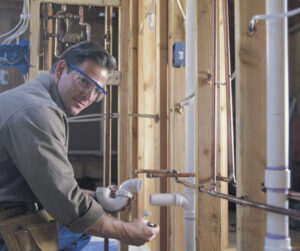 Plumbing in skyscrapers must conform to local, national, and sometimes international building codes. These codes regulate everything from pipe diameter and material to venting and drainage system configuration. In high-rises, the complexity of the systems often requires additional layers of compliance, including mechanical and fire safety regulations.
Meeting these standards involves collaboration among architects, civil engineers, mechanical engineers, and plumbing professionals from the earliest design stages. Failure to comply not only puts the occupants at risk but can also delay projects, increase costs, and lead to legal consequences.
Retrofitting Challenges in Older High-Rises
Many of the world’s oldest skyscrapers were constructed before modern plumbing technologies were developed. Retrofitting these buildings to meet current demands and regulatory standards is a major challenge. Limited shaft space, outdated materials, and aging infrastructure complicate efforts to install modern piping, pressure zones, and digital monitoring systems.
Such projects often require shutting down sections of the building or implementing temporary solutions while upgrades are carried out. Despite the cost and complexity, retrofitting is essential to ensure water safety, system reliability, and compliance with evolving building codes.