Plumbing has traditionally been seen as a trade focused on functionality and convenience. It’s the unseen infrastructure that makes modern life possible. But in the face of growing environmental challenges, plumbing has begun to evolve far beyond its conventional role. Today, plumbing is emerging as a quiet yet powerful form of environmental activism—one that is grounded not in protest, but in practical, lasting impact. The choices plumbers make and the systems they design can shape water conservation, energy efficiency, and even carbon emissions. This shift marks a new chapter in which plumbing becomes a frontline tool in the fight against environmental degradation.
Water Conservation Through Smarter Plumbing
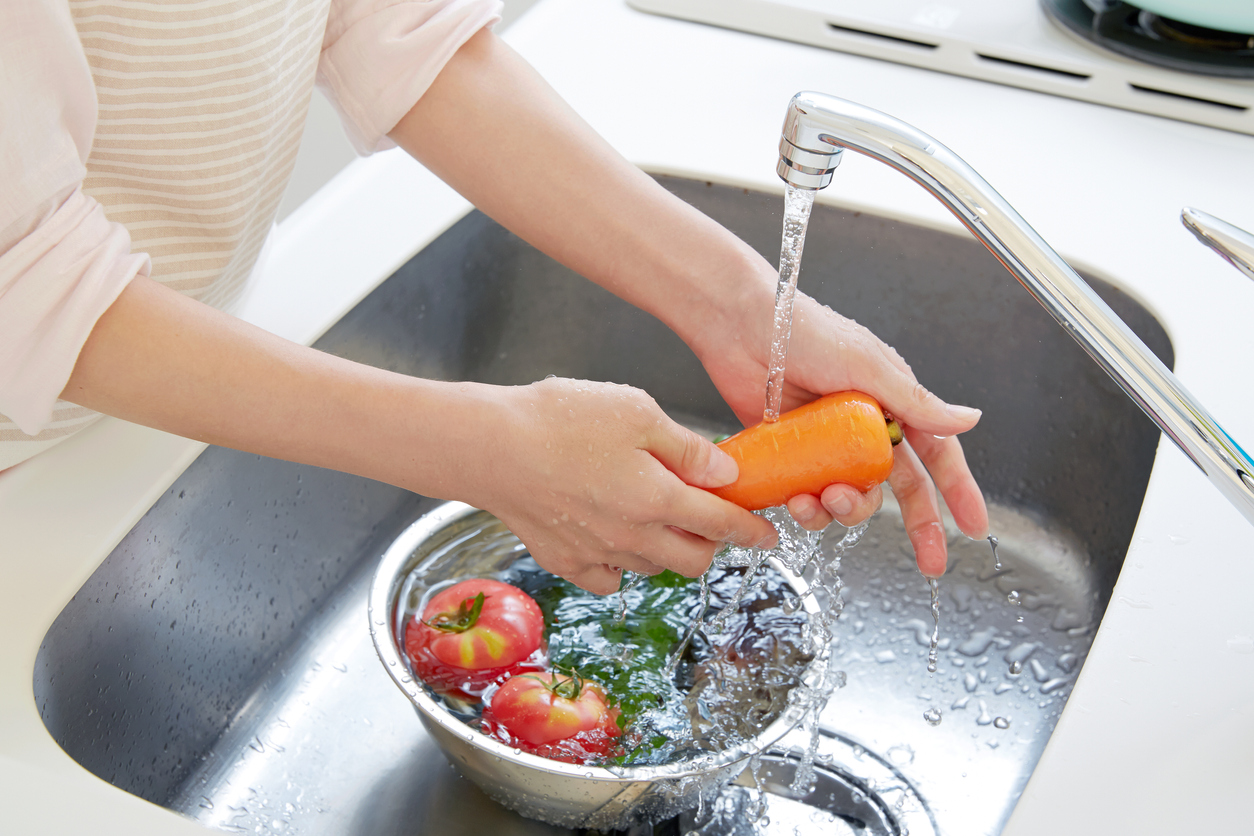
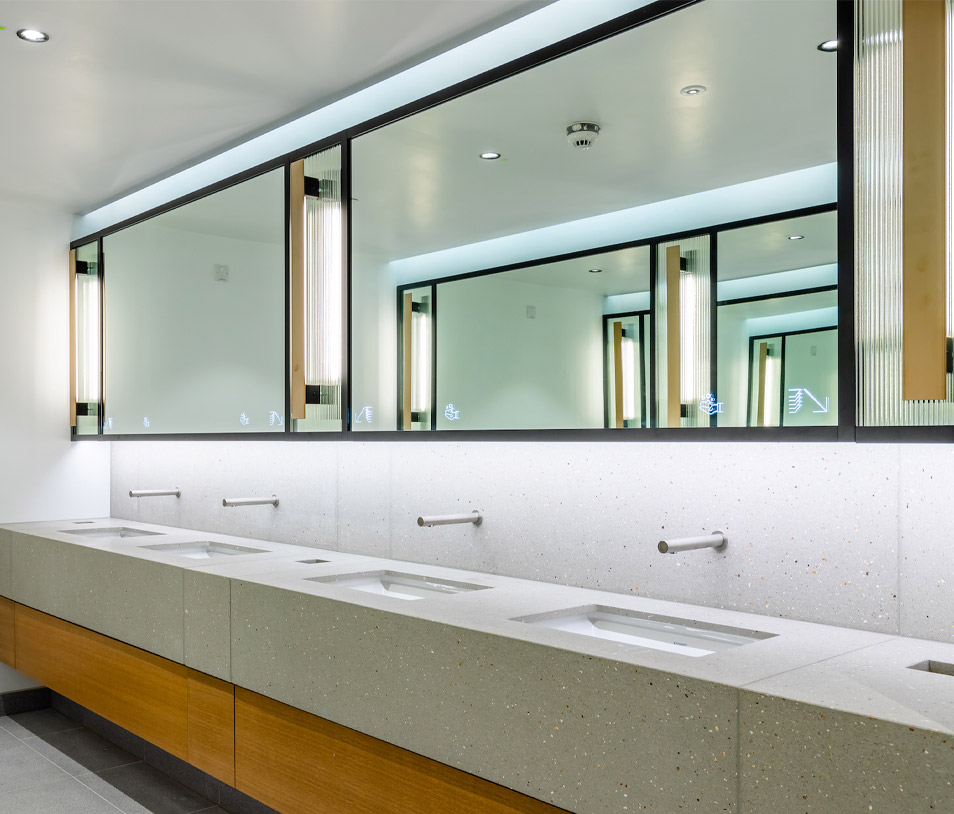
Water is perhaps the most precious resource at risk in today’s climate crisis, and plumbing is central to how water is distributed, used, and often wasted. Modern plumbing professionals are increasingly adopting and advocating for water-efficient solutions. Dual-flush toilets, low-flow showerheads, and touchless faucets are no longer luxury upgrades—they are essential elements of sustainable living.
Behind these innovations is a growing awareness among plumbers and designers that every drop saved counts. By installing greywater systems, professionals enable the reuse of lightly used water from sinks and showers for purposes like irrigation or toilet flushing. Such systems reduce the demand for freshwater and lighten the burden on wastewater treatment facilities, which in turn helps preserve local ecosystems. Plumbing that conserves water doesn’t just benefit a household or building; it contributes directly to the health of the environment.
Sustainable Material Choices and Green Certifications
The materials chosen in plumbing systems have lasting environmental impacts. Traditional components such as PVC or copper carry significant energy and resource costs during manufacturing. Forward-thinking plumbing now involves a critical eye on the entire lifecycle of materials, from extraction to disposal. This awareness pushes plumbers and contractors to favor eco-friendly alternatives and recycled materials where possible.
Sustainable plumbing design also aligns with green building standards such as LEED (Leadership in Energy and Environmental Design). When plumbers work toward these certifications, they become agents of change who encourage responsible construction practices across the industry. The movement away from short-term fixes toward long-term sustainability reflects a growing desire to minimize the ecological footprint of buildings.
Energy Efficiency as an Environmental Goal
While water is the visible component of plumbing, energy plays a silent but significant role. Heating water for domestic and commercial use accounts for a considerable share of energy consumption. In response, plumbers are integrating renewable energy sources and energy-efficient systems into their designs. Solar water heaters, tankless systems, and heat pump water heaters are examples of plumbing innovations that cut down energy usage without compromising performance.
Insulating pipes and using smart plumbing systems that regulate hot water delivery further enhance efficiency. These measures not only save money for consumers but also reduce greenhouse gas emissions. By implementing these systems, plumbers extend their influence far beyond mechanical function—they are participating in a collective effort to slow down climate change.
Wastewater Treatment and Ecosystem Protection
Wastewater is often viewed merely as something to be disposed of. However, environmentally conscious plumbing treats wastewater as a resource that can be managed wisely. Advanced systems now exist to treat and reclaim wastewater for secondary uses, reducing the strain on municipal treatment plants and safeguarding rivers and oceans from contamination.
Plumbers involved in designing and maintaining these systems contribute directly to preserving local biodiversity and maintaining healthier aquatic environments. Septic systems, biofilters, and constructed wetlands are increasingly used in areas where centralized treatment is not feasible. These innovations show that plumbing doesn’t just operate within buildings—it has a broader ecological reach.
Reducing Chemical Pollution and Toxins
Household and industrial plumbing systems often carry more than just water. They transport a range of chemicals, cleaning agents, and potential contaminants. Plumbers can help mitigate the harmful effects of these substances by installing backflow prevention systems, selecting non-toxic sealants, and advising clients on safe disposal practices.
Educating consumers on the dangers of flushing chemicals or pharmaceuticals is another role that eco-conscious plumbers take seriously. These educational efforts may seem small, but they prevent long-term damage to water sources and ecosystems. When a plumber recommends environmentally safe alternatives or alerts clients to risky habits, they are not merely doing their job—they are taking a stand for cleaner water and healthier communities.
Greywater and Rainwater Harvesting Systems
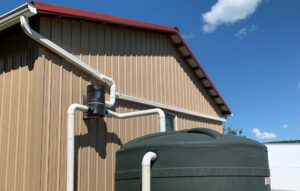 Harnessing nature’s offerings is one of the most effective ways to make plumbing part of the environmental movement. Greywater reuse and rainwater harvesting systems exemplify how buildings can be designed to work with, rather than against, natural cycles. Rainwater systems capture and store water that would otherwise be lost to runoff, offering a free and sustainable source for irrigation, laundry, or even potable use with adequate treatment.
Plumbers who implement these systems help cities manage stormwater more effectively, reducing flooding and easing pressure on urban drainage infrastructure. Their work also supports groundwater replenishment and promotes water independence, which is particularly valuable in drought-prone regions. This intersection of plumbing and ecology makes every installation a step toward a more balanced relationship with the environment.
Plumbing in Climate-Resilient Infrastructure
Climate change presents new challenges to infrastructure, including plumbing. Rising temperatures, flooding, and extreme weather events demand more resilient systems. Plumbers play a vital role in designing solutions that can withstand these changes. Elevated pipes, flood-resistant materials, and pressure-regulated systems are just a few examples of adaptations being made.
In this way, plumbing becomes part of community resilience. When infrastructure holds strong during disasters, the environmental and social fallout is reduced. Plumbers working in climate-sensitive regions are thus critical contributors to both environmental protection and human safety.
Empowering Households with Eco-Friendly Plumbing
Environmental activism through plumbing isn’t limited to large-scale infrastructure or new buildings. Many plumbers find their greatest opportunities to make a difference during routine home visits. By replacing outdated fixtures, spotting leaks early, and recommending sustainable upgrades, they help everyday people become environmental stewards without drastically changing their lifestyles.
These seemingly simple interventions collectively make a huge difference. A well-informed plumber who educates homeowners about water and energy savings can have an enduring impact that spreads through communities. This kind of grassroots environmentalism—practical, personal, and persistent—can create ripples of change far beyond the home.
The Role of Policy and Advocacy in Green Plumbing
Policy change is another area where plumbing professionals are stepping into advocacy roles. By working with local governments, trade associations, and environmental groups, they can influence building codes and regulations to favor greener practices. Their real-world experience lends authority and credibility to environmental discussions that often remain abstract.
Plumbers also participate in initiatives to create incentives for eco-friendly upgrades, such as rebates for low-flow fixtures or tax benefits for solar water heaters. In doing so, they help shape a system where sustainability becomes the default rather than the exception. These advocacy efforts complement the hands-on work of installation and maintenance, positioning plumbers as both technicians and thought leaders in the green movement.
Education and the Future of Green Plumbing
As awareness of climate issues grows, so does the demand for education in sustainable plumbing practices. Trade schools and certification programs are beginning to reflect this shift, incorporating green plumbing modules that teach water conservation, energy efficiency, and eco-conscious system design.
Veteran plumbers also play a role in mentoring the next generation. By sharing their knowledge and commitment to environmental responsibility, they ensure that the values of sustainability continue to spread. Plumbing is no longer just about pipes and valves—it is about stewardship, innovation, and resilience. The plumbers of the future will be both skilled tradespeople and environmental advocates.