When people think about indoor air quality, their minds often jump to ventilation systems, dust, or chemical pollutants from furniture or cleaning agents. Rarely does plumbing take center stage in this discussion. However, plumbing systems can have a profound impact on the air inside our homes and buildings. From hidden leaks that promote mold growth to sewer gas leaks and stagnant water in unused pipes, the ways in which plumbing contributes to air quality—positively or negatively—are significant.
Understanding the connection between plumbing and indoor air quality requires looking at how water, waste, and air circulate through a building. Clean and well-maintained plumbing can help ensure a healthier environment, while neglected systems may silently undermine it.
Mold and Mildew from Leaks and Moisture
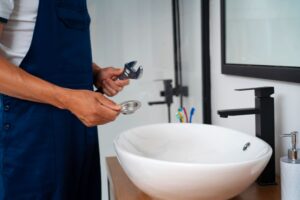 Plumbing leaks are one of the most common causes of mold and mildew inside buildings. Even a small, slow drip from a hidden pipe behind a wall can create the perfect humid environment for mold spores to thrive. Once established, mold releases airborne particles and spores that reduce indoor air quality and can cause respiratory issues, allergic reactions, and other health problems, especially for individuals with asthma or weakened immune systems.
Moisture doesn’t need to come from visible leaks alone. Condensation around poorly insulated pipes or in high-humidity areas like bathrooms and basements can also foster mold growth. These damp areas become breeding grounds for microbes and fungi, many of which are airborne and easily inhaled.
Maintaining plumbing systems, ensuring proper pipe insulation, and using ventilation fans in high-moisture areas are essential steps in reducing these risks and keeping indoor air safe and clean.
The Danger of Sewer Gas Intrusion
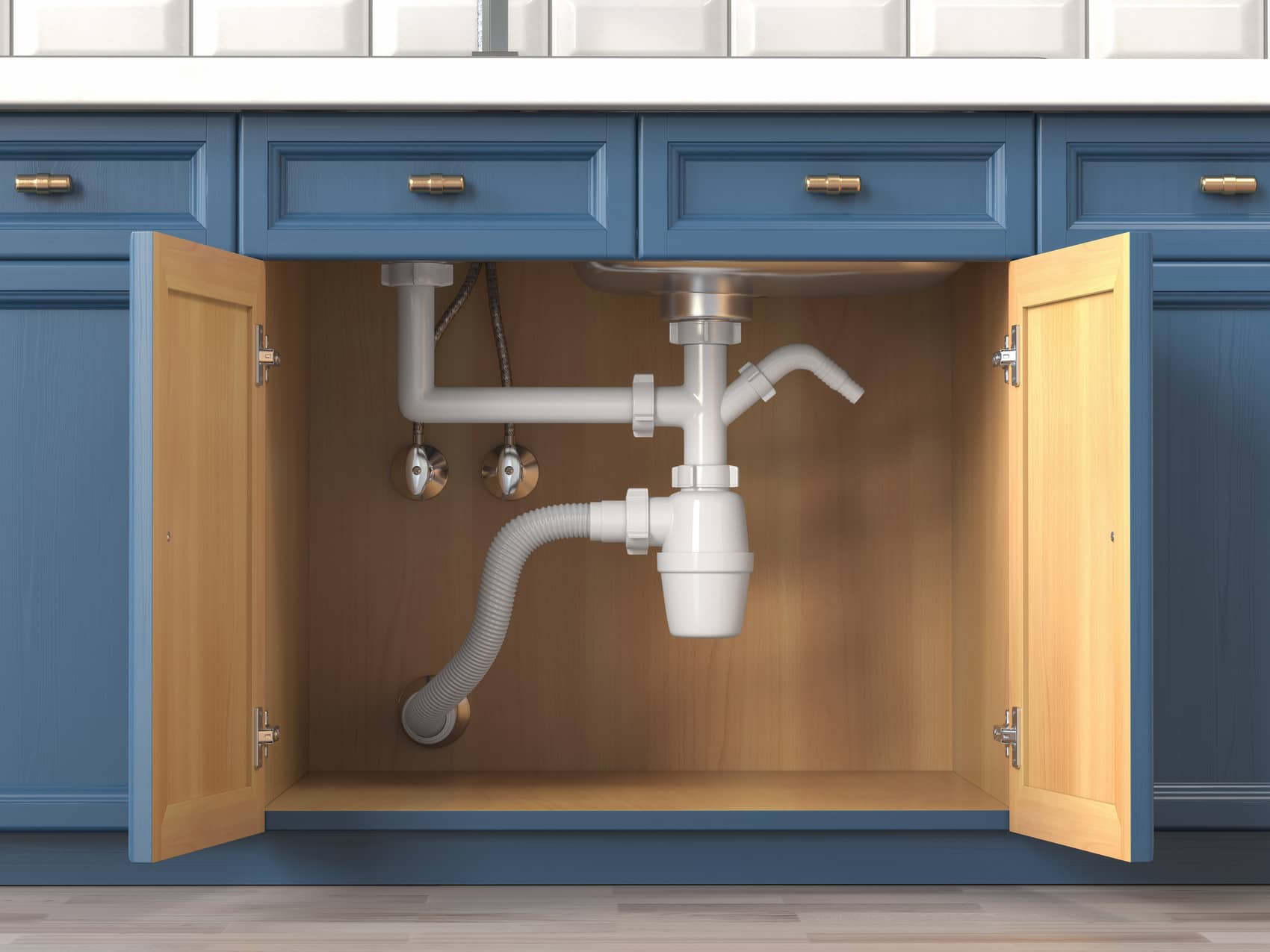
Sewer gases—such as methane, ammonia, and hydrogen sulfide—are naturally produced during the breakdown of waste in plumbing systems. Under normal conditions, these gases are safely vented away from the building. However, if there’s a problem with the plumbing system, such as dry drain traps, broken vent pipes, or deteriorated seals, these gases can enter the indoor air.
The odor alone is unpleasant, but more importantly, prolonged exposure to sewer gases can lead to headaches, nausea, fatigue, and even more serious health conditions. Hydrogen sulfide, for example, can be toxic at high concentrations. Methane is highly flammable and can pose a fire hazard.
Preventing the infiltration of sewer gas into living spaces starts with regular plumbing maintenance. Ensuring that drain traps are kept full of water, checking the integrity of plumbing vents, and repairing any damaged components can help block these invisible threats from reaching the air inside.
Stagnant Water and Bacterial Growth in Pipes
Stagnant water in plumbing systems is another potential contributor to poor indoor air quality. This often occurs in rarely used sinks, showers, or fixtures in guest rooms, basements, or vacation homes. When water sits still for extended periods, it becomes a prime environment for bacterial growth, including harmful bacteria such as Legionella.
While these bacteria may not always be airborne in the conventional sense, they can become aerosolized during use of the affected fixtures, such as when taking a shower. Inhaling tiny droplets of contaminated water mist can lead to respiratory infections or illnesses like Legionnaires’ disease.
Flushing out stagnant pipes regularly and avoiding long periods of disuse for any part of a plumbing system can reduce this risk. Installing recirculation systems in larger buildings and ensuring water heaters maintain appropriate temperatures are also effective strategies.
Humidity Control Through Plumbing Design
Plumbing systems can also influence indoor humidity levels, especially in homes with poor drainage or issues related to water flow and evaporation. Excess humidity not only promotes mold but also contributes to the discomfort and stuffiness many associate with “bad air.”
Designing plumbing systems that properly manage water drainage and include vapor barriers in strategic places can help keep indoor humidity in check. In some buildings, plumbing-related appliances like humidifiers, dehumidifiers, and air conditioners are tied directly to the water supply. Their efficiency and cleanliness also affect how effectively indoor moisture levels are controlled.
Even small plumbing issues like slow leaks in refrigerator lines or poorly maintained washing machines can create localized humidity spikes that feed mold colonies, especially in closed-off utility rooms or poorly ventilated areas.
Cross-Contamination Risks from Backflow Issues
One of the most dangerous but often unnoticed plumbing problems is backflow. This occurs when contaminated water reverses direction and enters the clean water supply, typically due to changes in water pressure. If backflow protection is not in place or fails, it can result in water carrying bacteria, chemicals, or waste entering faucets or showerheads.
In some cases, this contaminated water can contribute to airborne contamination when used, particularly if it aerosolizes as it exits the fixture. Bathrooms, kitchens, and laundry rooms—spaces where both water and air frequently interact—are particularly vulnerable.
Installing proper backflow prevention devices, performing routine inspections, and adhering to plumbing codes go a long way in reducing the likelihood of such contamination affecting indoor air quality.
Water Heater Maintenance and Airborne Contaminants
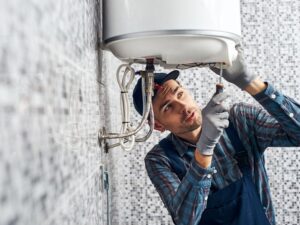 Water heaters, especially gas-powered ones, can also impact indoor air quality if not properly maintained. Poorly ventilated water heaters can release combustion by-products such as carbon monoxide into the home. Even electric water heaters can become a breeding ground for bacteria if the temperature is set too low.
Regularly flushing the tank, setting the temperature to appropriate levels, and ensuring proper ventilation for combustion appliances are crucial. These actions not only preserve water quality but also prevent the release of harmful substances into the air.
Moreover, rust or sediment build-up in old water heaters can affect water clarity and purity. While not directly airborne, such issues can still lead to health concerns when particles become suspended in mist during showers or baths.
The Role of Plumbing in HVAC Efficiency
Modern HVAC systems sometimes rely on plumbing connections, especially when integrated with radiant heating, cooling systems, or humidifiers. Plumbing failures or inefficiencies in these integrated systems can reduce HVAC effectiveness, leading to imbalanced temperatures and air moisture levels that contribute to an unhealthy environment.
For example, a leak in a radiant floor heating system can raise humidity without the homeowner even realizing it. Similarly, a clogged condensate line in an air conditioning system can cause water buildup, mold growth, and odors that seep into the indoor air.
Close coordination between HVAC and plumbing systems during both construction and maintenance stages is essential. It helps ensure that air and water systems support rather than undermine each other in promoting a clean indoor atmosphere.
Plumbing Materials and Their Off-Gassing Effects
While less common than the other issues mentioned, the materials used in plumbing systems can also affect indoor air quality through off-gassing. Certain plastic pipes or sealants can emit volatile organic compounds (VOCs), especially when new or exposed to high temperatures.
These compounds can contribute to indoor air pollution and exacerbate symptoms such as headaches, dizziness, and respiratory irritation. Choosing certified low-VOC plumbing materials and allowing proper ventilation during and after installation can help reduce this concern.
Even older pipes, particularly those made of lead or galvanized steel, can cause long-term water contamination. While not an airborne issue directly, any health hazard associated with plumbing contamination can still indirectly influence wellness and perceived air quality in the home.
Creating a Healthier Home Through Plumbing Awareness
Many homeowners are unaware of just how deeply plumbing affects their day-to-day air quality. From moisture control and gas emissions to the microbial content of mist from showers, plumbing systems interact constantly with the air we breathe.
Taking a proactive approach to plumbing maintenance is one of the best ways to safeguard indoor environments. This means addressing small leaks promptly, regularly flushing unused water lines, servicing water heaters, and ensuring all systems are ventilated and code-compliant.
Professional inspections can also uncover hidden dangers, such as vent blockages or pipe degradation, before they cause major issues. Combined with good ventilation, moisture management, and material selection, proper plumbing care can create a space that not only looks clean but feels and smells fresh too.