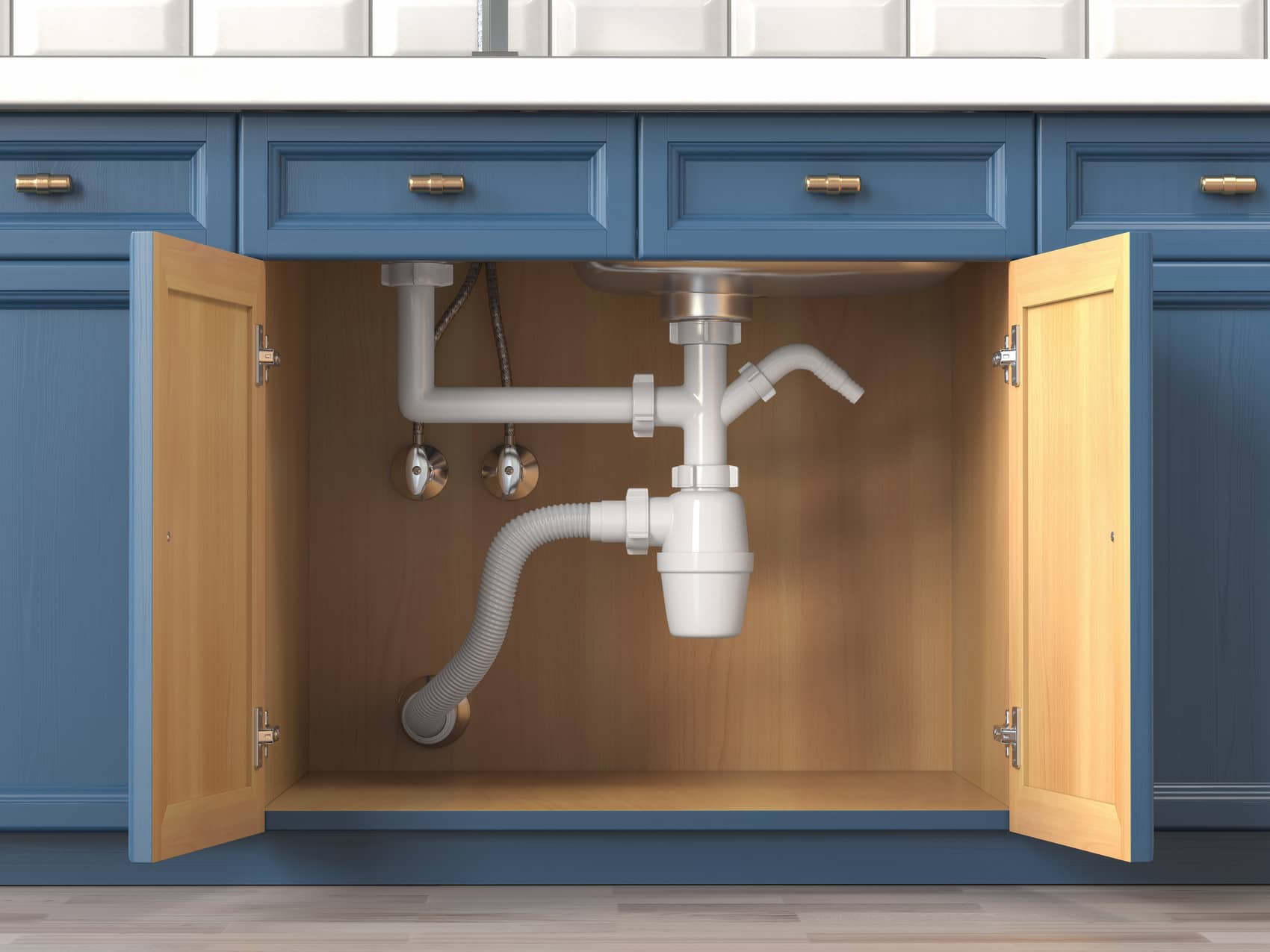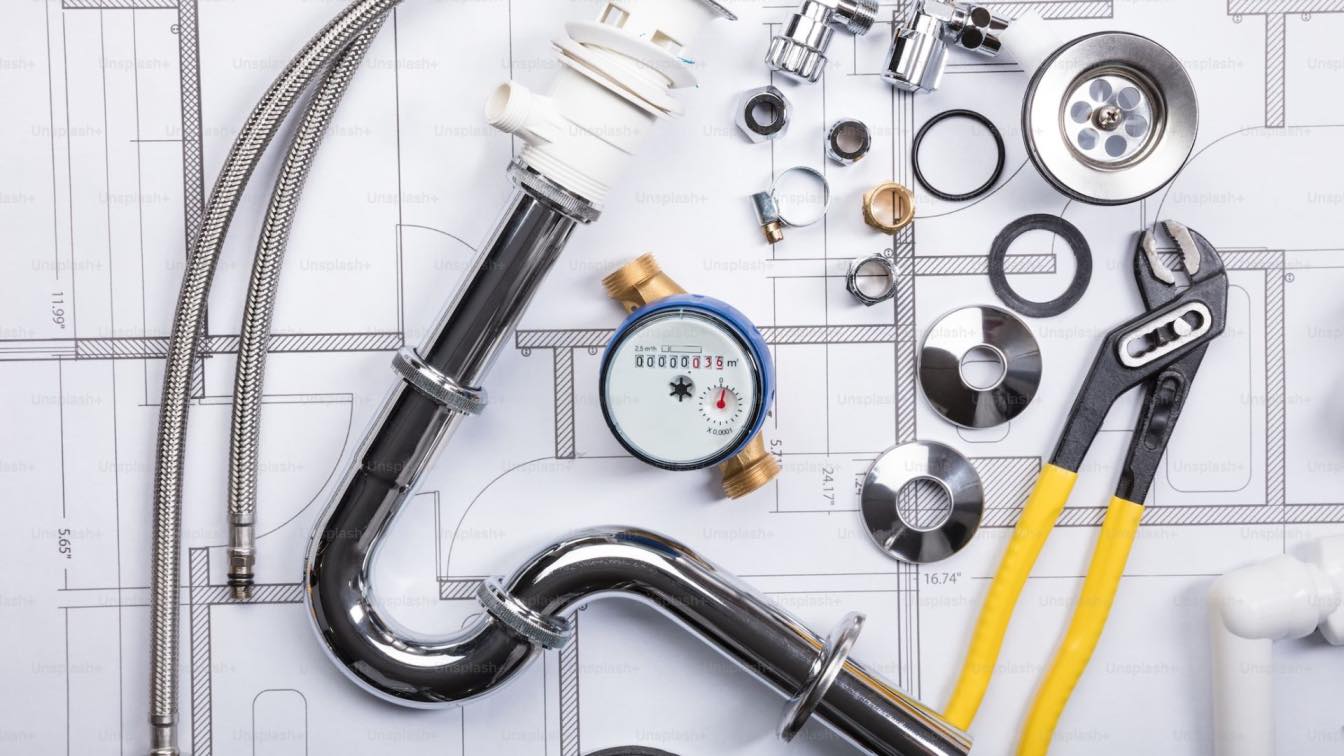
As urban centers become more densely populated and housing costs continue to rise, micro apartments have emerged as a popular solution for those seeking affordable and efficient living. These small yet functional living spaces, typically ranging between 150 to 400 square feet, demand clever design in every aspect—especially when it comes to plumbing. Plumbing in micro apartments presents unique challenges and opportunities. With limited square footage and a strong need for multi-functionality, plumbing must be compact, efficient, and thoughtfully integrated. From streamlined layouts to innovative technology, smart plumbing design is an essential component in making micro apartments livable and sustainable.
Rethinking Traditional Plumbing Layouts
Standard residential plumbing layouts simply don’t work in the confined dimensions of micro apartments. Traditional configurations, with separate rooms and long piping runs, would not only waste valuable space but also create inefficiencies in water delivery and waste management. Instead, micro apartment design encourages consolidation—clustering plumbing-heavy areas such as the bathroom and kitchenette into a single zone. By grouping sinks, showers, and appliances in close proximity, builders minimize pipe lengths, reduce water pressure loss, and simplify maintenance.
Another key feature of micro apartment plumbing is vertical integration. Because these apartments are often stacked in multi-story buildings, plumbing chases can be centralized into tight vertical shafts. This approach streamlines installation and repair while also freeing up more floor space for the resident. Through smart alignment of fixtures and shared risers between units, developers can achieve both space efficiency and cost savings.
Compact Fixtures with Maximum Utility
Plumbing fixtures in micro apartments must do more with less. Compact toilets, narrow sinks, and space-saving showers are the norm. Wall-mounted units are especially favored because they create the illusion of more room while allowing for easier cleaning and maintenance underneath. For example, wall-hung toilets with concealed tanks not only save space but also enhance aesthetic appeal. In kitchens, single-bowl sinks, pull-out spray faucets, and integrated dish drying racks cater to the need for functionality within limited dimensions.
Showers often forego traditional stalls in favor of wet room designs. In these setups, the entire bathroom becomes a waterproofed shower zone, with floor drains and sloped tiling managing water flow. This allows the space to serve multiple purposes without requiring a partitioned area for bathing. The use of high-quality waterproof materials and efficient ventilation ensures that even such compact bathrooms remain comfortable and hygienic.
Innovative Plumbing Technologies for Small Spaces
Space constraints in micro apartments demand the adoption of cutting-edge plumbing technologies. Tankless water heaters are one of the most popular additions. Unlike traditional models that store hot water in bulky tanks, tankless units heat water on demand and can be mounted under sinks or within cabinetry. This eliminates the need for a dedicated utility closet, making it a perfect solution for small apartments.
Greywater recycling systems are another innovation that’s gaining traction. These systems collect lightly used water from sinks and showers, treat it, and reuse it for toilet flushing or irrigation. When integrated properly, greywater systems not only reduce water consumption but also reduce strain on sewage infrastructure. Smart leak detectors and water monitoring devices also find a natural fit in micro apartments, where a single leak can quickly affect an entire unit. These smart systems send real-time alerts and shut off valves automatically, offering peace of mind in tightly packed living quarters.
The Rise of Modular Plumbing
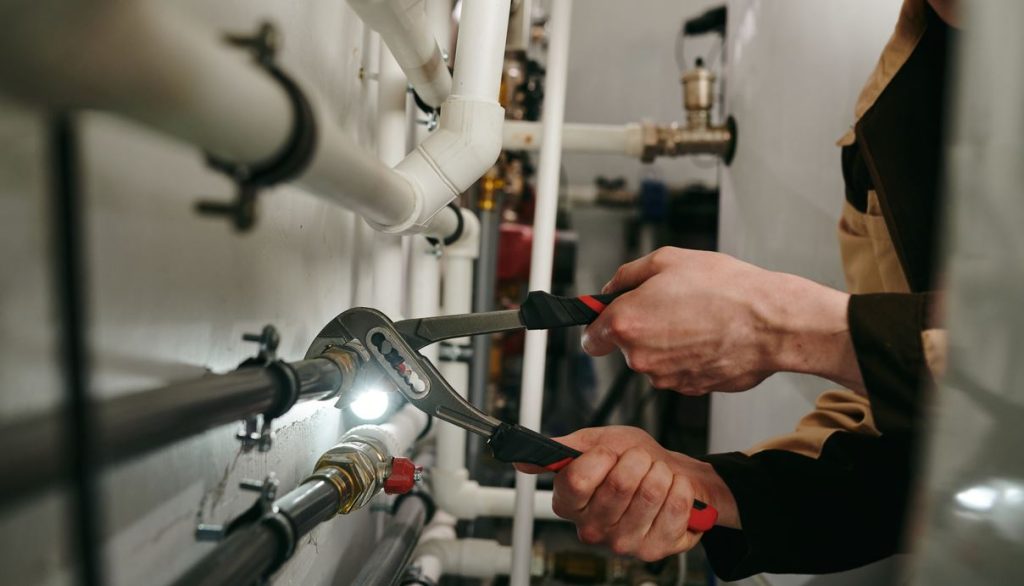
Modular plumbing is becoming an essential tool in the design of micro apartments. Instead of assembling pipes, fixtures, and valves piece by piece during construction, modular systems are pre-engineered off-site as complete bathroom or kitchen units. These modules are then delivered and installed as plug-and-play systems, reducing installation time and on-site labor. Modular plumbing also improves quality control, as components are assembled under factory conditions and tested before shipping.
This approach allows for significant design flexibility as well. Developers can choose from various module sizes and configurations to suit the specific dimensions of each micro apartment. With plug-and-play simplicity, future maintenance becomes easier, as technicians can quickly access key components within a unified module.
Water Efficiency as a Design Priority
Water efficiency is more than just a sustainability goal in micro apartments—it’s a necessity. Limited hot water capacity, shared building systems, and the environmental consciousness of urban dwellers all contribute to the demand for plumbing systems that minimize waste. Low-flow fixtures, dual-flush toilets, aerated faucets, and energy-efficient appliances are increasingly standard in compact living environments.
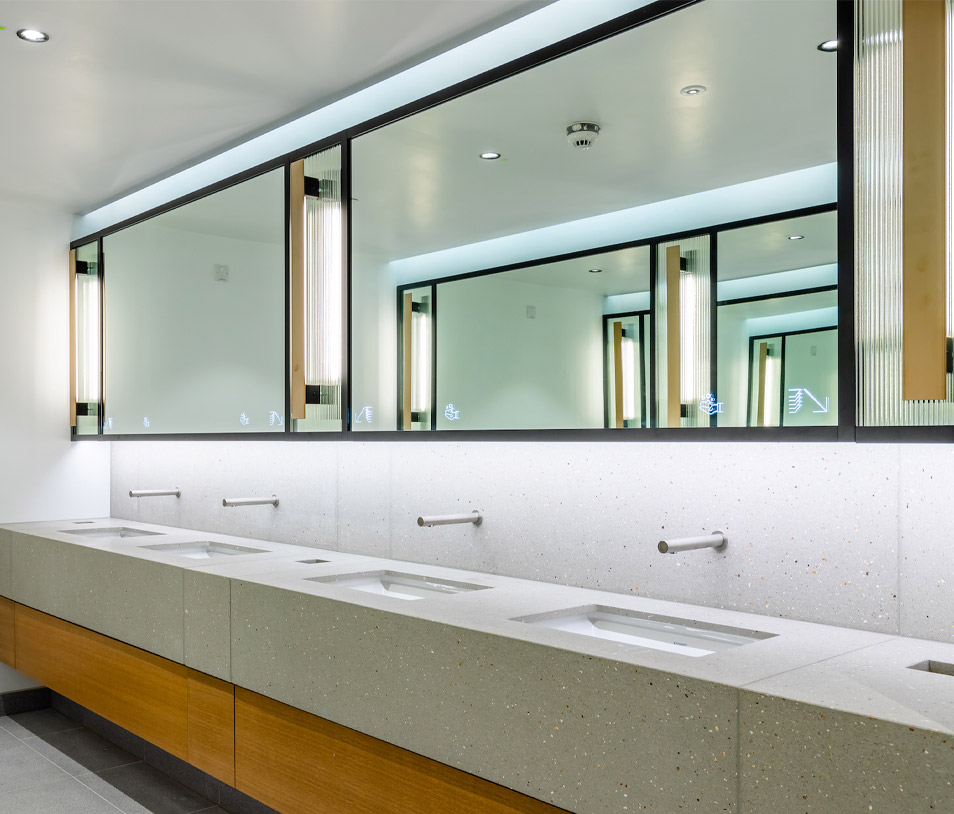
Designers also incorporate touchless faucet technology and smart controls to reduce unnecessary water use. Residents can monitor water consumption through connected apps, adjust settings based on time-of-day usage, and even set usage limits. These features not only promote environmental responsibility but also help tenants manage utility costs in increasingly expensive urban settings.
Challenges in Maintenance and Access
While plumbing design in micro apartments emphasizes efficiency and minimalism, maintenance access can be a significant challenge. With so many systems packed into such tight spaces, even small repairs require careful planning. Access panels must be discreetly incorporated without compromising the limited aesthetics of the apartment. This often involves creative cabinetry design, hidden doors, and sliding panels that allow quick access to key plumbing areas.
To mitigate issues, many buildings implement routine maintenance schedules and remote monitoring systems. Building managers can receive data from smart meters and sensors to detect issues early and address them proactively. This predictive approach not only prevents serious failures but also reduces the risk of disruptive service calls in already compact environments.
Integrating Plumbing with Interior Design
In micro apartments, where every inch counts, plumbing becomes a visible part of interior design. Exposed pipework, when done intentionally, adds industrial charm and visual interest. Copper pipes, matte black finishes, and brass fittings are chosen not just for function but also for style. The blending of utility and aesthetics allows plumbing systems to become integrated elements of the overall interior theme.
In bathrooms and kitchens, plumbing lines may be routed along walls or ceilings instead of being hidden behind them. This not only saves wall depth but also provides easier access for repairs. Clever use of materials, lighting, and color can ensure these visible systems enhance rather than detract from the overall look.
Plumbing for Shared Amenities
Micro apartment buildings often include shared amenities such as laundry rooms, communal kitchens, or rooftop gardens to make up for the limited space in individual units. These shared areas require a plumbing system that balances high usage with energy and water efficiency. Centralized water heaters, booster pumps for consistent pressure, and filtration systems are often included to meet collective needs while maintaining high standards.
For rooftop amenities like green spaces or hydroponic gardens, plumbing systems may also include rainwater harvesting and irrigation setups. These installations expand the building’s sustainability footprint and offer residents more value from their compact living arrangements.
Designing for Future Flexibility
Despite their small size, micro apartments benefit greatly from adaptable plumbing design. Tenants may have varying needs, and apartment layouts may evolve over time. Plumbing systems must therefore be designed with flexibility in mind. Quick-connect fittings, removable panels, and modular units allow for easy reconfiguration when necessary.
Future-proofing also involves selecting durable materials and scalable systems. Stainless steel, PEX piping, and high-quality valves offer longevity, while system layouts should allow for the addition of new technologies such as advanced filtration or greywater reuse.
Balancing Cost, Comfort, and Code Compliance
The design of plumbing systems in micro apartments must meet a delicate balance between cost-effectiveness and comfort, all while adhering to local plumbing codes. Because micro apartments are often developed within tight budget constraints, the choice of materials and fixtures must deliver maximum value without compromising on quality. Additionally, developers must ensure that reduced fixture spacing and compact installations comply with code requirements for ventilation, access, and sanitation.
Collaboration between architects, plumbers, and code inspectors is essential from the earliest stages of design. This ensures that plumbing decisions not only support the apartment’s functionality but also pass necessary inspections without costly rework. In high-density cities, where micro apartments are most common, local regulations may even evolve to specifically support innovations in small-space plumbing.
The Role of Plumbing in Livability
Ultimately, plumbing is one of the foundational systems that determine whether a micro apartment feels livable or restrictive. Good plumbing design enhances convenience, hygiene, and comfort. It ensures that essential functions—cooking, bathing, washing—can be carried out efficiently within the confines of a tiny footprint. In buildings that invest in thoughtful plumbing systems, residents benefit from lower maintenance, reduced utility bills, and a better overall quality of life.
In a world increasingly focused on sustainability and urban density, micro apartments are more than just a trend. They are a forward-thinking solution to housing challenges—and plumbing is key to making them work.