Greenhouses are no longer confined to backyard hobbyists or compact garden centers. As the demand for sustainable agriculture and year-round food production rises, expansive greenhouses—spanning thousands of square feet—are becoming the norm. With their size and complexity comes the need for specialized plumbing systems that ensure optimal water distribution, temperature control, and resource efficiency. Plumbing in these vast structures is not merely a utility function; it is a foundational component of greenhouse productivity and plant health.
Understanding the Role of Plumbing in Greenhouse Environments
In expansive greenhouses, plumbing goes far beyond delivering water to plants. It encompasses a full network of irrigation, drainage, heating, and cooling systems. These components must work in harmony to create a stable microclimate that supports plant growth in all seasons. The plumbing infrastructure has to adapt to variables such as humidity control, water recycling, and integration with automated systems. Without this fine-tuned coordination, even the most well-designed greenhouse may struggle to sustain consistent yields.
The plumbing design begins with understanding the greenhouse’s layout, plant types, and growing methods. Whether crops are grown in hydroponic trays, vertical towers, or traditional soil beds, the plumbing strategy must be tailored to meet specific hydration needs without over- or under-watering. Precision is key, especially when managing such large spaces where a single malfunction can compromise a significant portion of the yield.
Custom Irrigation Systems for Uniform Distribution
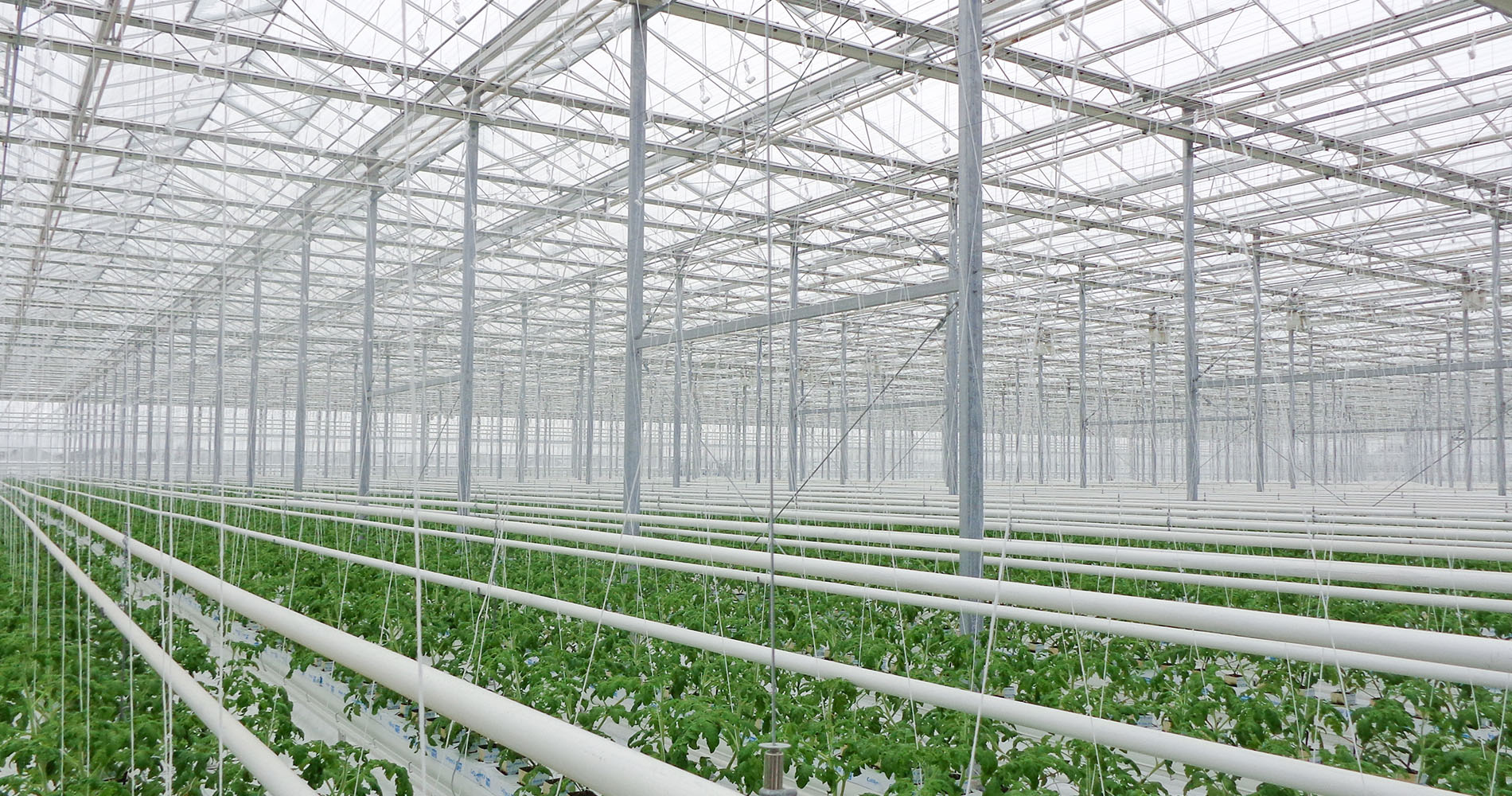
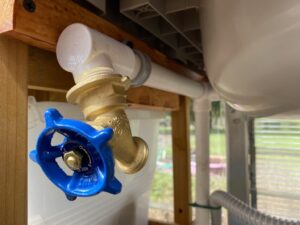 One of the central challenges in expansive greenhouses is maintaining uniform moisture levels across wide areas. This is typically achieved through custom irrigation systems such as drip lines, misting setups, or overhead sprinklers. The choice of system depends on the crop variety and growth stage. Drip irrigation offers pinpoint delivery, ideal for water-sensitive plants, while misting systems help maintain humidity for tropical species.
These irrigation systems rely on well-planned plumbing networks that use valves, pumps, and filtration units to regulate flow. Plumbing lines must be installed with an understanding of gravity flow, water pressure dynamics, and accessibility for maintenance. Because expansive greenhouses operate on tight schedules, plumbing systems must be both resilient and easy to troubleshoot to avoid disruptions.
Temperature Control through Hydronic Heating and Cooling
Greenhouses must maintain optimal temperatures even in regions with extreme weather. Plumbing plays a vital role here, particularly through hydronic heating systems. These involve circulating warm water through a network of pipes laid under planting beds or around perimeter walls. Radiant heat from these systems is more energy-efficient than forced air systems and promotes steady growth conditions.
Cooling, on the other hand, often requires chilled water systems and evaporative coolers. These components also depend on intricate plumbing networks that move water across large areas. A miscalculation in pipe sizing or pump capacity can cause inconsistent cooling, resulting in stressed plants. Therefore, engineering accuracy is crucial during installation.
Recycling and Water Conservation Strategies
Sustainability is central to modern greenhouse operations, and plumbing design must reflect that. Expansive greenhouses often incorporate greywater recycling systems to reduce freshwater usage. This involves collecting runoff or used water from one area, filtering it, and redirecting it for irrigation or cleaning purposes.
Rainwater harvesting is another common feature in eco-conscious greenhouses. Plumbing systems are designed to capture rain from the roof, channel it into cisterns, and distribute it using pumps. Integrating these features requires careful planning to prevent contamination and ensure water quality. Plumbing infrastructure must include UV sterilization units or biological filters to make the water safe for plant use.
Monitoring and Automation through Smart Plumbing
In large-scale operations, manual monitoring is both inefficient and prone to error. That’s where smart plumbing technologies step in. Sensors placed throughout the greenhouse monitor moisture levels, water flow, and temperature in real time. These sensors communicate with a central system that adjusts valves and pumps accordingly. This level of automation not only conserves resources but also enhances plant health by ensuring consistent growing conditions.
The plumbing systems must be compatible with these technologies, incorporating control valves, wireless relays, and power backup features. Smart plumbing can also alert operators to leaks or malfunctions, allowing for quicker interventions. In environments where hundreds of plants are interconnected through a single water supply, such responsiveness is invaluable.
Dealing with Drainage and Runoff Management
Expansive greenhouses generate significant amounts of runoff that must be managed to prevent waterlogging and contamination. Plumbing systems must include effective drainage channels that transport excess water away from growing areas without eroding soil or damaging roots. In hydroponic setups, used nutrient solution needs to be filtered and either discarded responsibly or rebalanced for reuse.
Subsurface drains, graded flooring, and sump pumps are often used in larger greenhouses to ensure that water is swiftly and safely directed out of the facility. These drainage systems must be regularly inspected and cleaned to avoid blockages, which could lead to flooding and operational downtime.
Material Selection and Long-Term Durability
Choosing the right materials for plumbing in expansive greenhouses is critical. Pipes, joints, and fittings must withstand fluctuating temperatures, high humidity, and exposure to chemicals such as fertilizers or cleaning agents. PVC and polyethylene are commonly used due to their resistance to corrosion and ease of installation.
The plumbing infrastructure must also be designed for longevity. In greenhouses operating year-round, systems are continuously in use, and even small defects can lead to major losses. Therefore, using high-quality materials and implementing a preventative maintenance schedule is essential to prolonging the system’s life and ensuring uninterrupted productivity.
Plumbing Considerations for Hydroponic Systems
In many expansive greenhouses, hydroponics is the preferred cultivation method because of its efficiency and ability to maximize space. These systems are completely dependent on plumbing networks that deliver nutrient-rich solutions directly to plant roots. The plumbing design must ensure equal distribution of nutrients and oxygen across the entire system.
This involves a complex arrangement of reservoirs, pumps, timers, and return lines. The plumbing must maintain steady flow rates and prevent airlocks or backflows. Because the health of every plant depends on this system, precision engineering and rigorous testing are essential. Any imbalance in the plumbing layout can lead to nutrient deficiencies or overexposure to salts.
Plumbing and Expansion Planning
Scalability is a core consideration in the design of expansive greenhouses. As the facility grows, the plumbing system must be able to expand without requiring complete overhauls. Modular plumbing setups allow sections to be isolated and upgraded individually, minimizing disruption. When planning the original plumbing, engineers must anticipate future expansions and install additional valves, taps, and access points that make upgrades easier.
Flexible pipe materials and quick-connect fittings are often used in these scenarios to allow rapid reconfiguration. Expansion planning also involves preparing for increased water demand, which means sizing pumps and tanks for higher capacities than currently required. This foresight reduces future costs and ensures seamless scaling.
Weather Adaptation and Seasonal Adjustments
Expansive greenhouses in temperate or cold regions must adjust plumbing systems seasonally. This may involve draining certain lines in winter to prevent freezing or switching to warmer water supplies. Insulating pipes and installing temperature sensors helps prevent damage and ensures that the water temperature remains within optimal ranges.
Summer, on the other hand, may require plumbing to handle higher loads due to increased evaporation and cooling needs. Systems must be designed with seasonal flexibility in mind, including bypass valves, backup lines, and dual water sources. Weatherproofing outdoor plumbing components is also vital to protect them from temperature fluctuations and precipitation.
Human Access and Safety
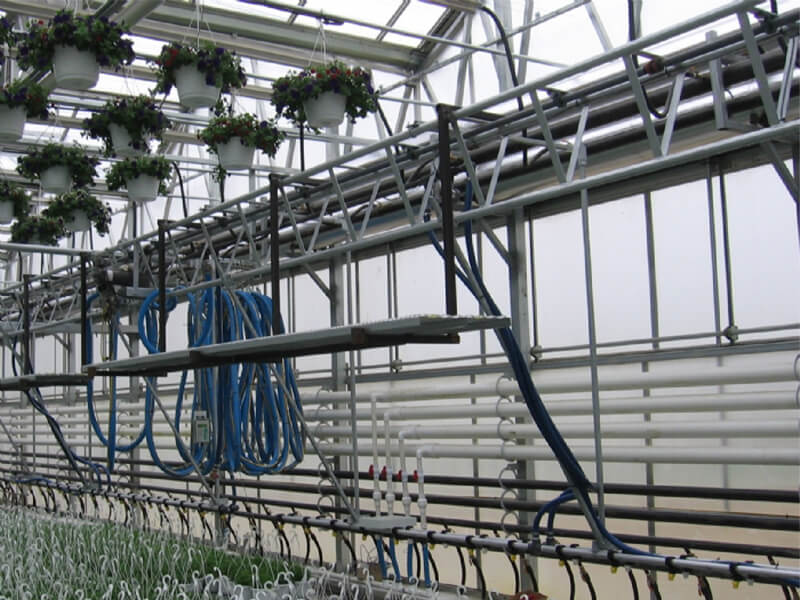
The scale of plumbing in expansive greenhouses also requires consideration of human access and safety. Walkways must be designed so that pipes do not obstruct movement. Service corridors or above-ground lines with support brackets can be used to keep the plumbing accessible while minimizing trip hazards.
Pressure gauges, shut-off valves, and filtration units should be installed at convenient points to facilitate regular maintenance without interrupting plant care routines. Safety protocols, including labeled pipelines and emergency shut-offs, must be integrated into the design. In a facility that may operate around the clock, these features help prevent accidents and ensure the safety of workers and visitors.