Hydroponic farming has revolutionized how we think about agriculture, offering soil-free solutions to grow crops in urban environments, arid regions, and vertical spaces. Yet, beneath the greenery and LED grow lights lies a less glamorous but equally vital component—plumbing. Without effective plumbing systems, hydroponic setups would be unsustainable and inefficient. Plumbing ensures that water, nutrients, and oxygen are consistently delivered to plants, maintaining the health of crops and the efficiency of the entire system. In this article, we explore the fundamental role plumbing plays in hydroponic farming and how its design and function contribute to the success of this innovative agricultural method.
Water as the Lifeline of Hydroponics
Water is the core element in hydroponic systems, serving as both a growth medium and a nutrient delivery vehicle. In traditional soil farming, roots extract moisture and nutrients from the earth. In hydroponics, plumbing takes on that role, channeling water through pipes, tubing, valves, and reservoirs. The quality and consistency of water distribution are critical, and plumbing systems must be engineered to maintain a stable flow and pressure.
Efficient plumbing minimizes water waste and supports the recirculation process, which is essential in closed-loop systems. These systems reuse water, reducing environmental impact and conserving resources. Proper plumbing design also ensures that water is filtered and oxygenated, preventing diseases and promoting optimal plant growth.
Circulation Systems and Nutrient Delivery
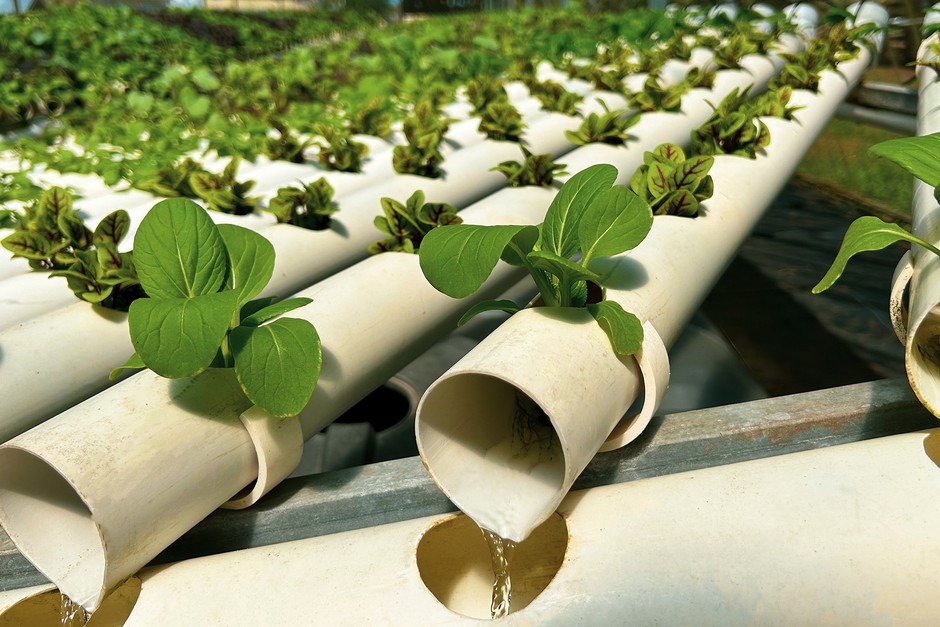
 Hydroponic setups vary in complexity, from basic nutrient film techniques (NFT) to elaborate deep-water culture (DWC) and aeroponic systems. Regardless of the method, plumbing is essential for circulating nutrient solutions. Pumps push water through a network of pipes, delivering essential minerals directly to plant roots. This direct-to-root access makes the nutrient uptake process more efficient and allows farmers to fine-tune plant nutrition with precision.
Plumbing systems must accommodate varying flow rates and pressure depending on plant species and growth stages. High-quality fittings, leak-proof connectors, and reliable pumps are essential to maintain a consistent nutrient flow. Any disruption or clog in the plumbing can cause uneven growth or even loss of crops, highlighting the need for careful planning and ongoing maintenance.
Custom Plumbing Designs for Different Hydroponic Setups
Each hydroponic system has its unique plumbing needs. For instance, in NFT systems, water needs to flow in a shallow stream over the roots, requiring sloped channels and gravity-fed plumbing. DWC systems, on the other hand, rely on large reservoirs and air pumps to oxygenate the water in which the roots are submerged. In vertical hydroponics, water must be pumped upward through a tower or wall of plants, and gravity is used to return the water to the base.
These differences mean that plumbing systems are not one-size-fits-all. Customization is necessary to match the scale, layout, and crop type. Materials also vary—PVC and polyethylene pipes are common due to their non-reactive nature and ease of use, while more advanced systems may integrate smart sensors and automated valves to regulate flow and monitor system performance.
Filtration and Water Treatment
Maintaining water purity is crucial in hydroponics, where contaminants can quickly spread through a closed system. Plumbing plays a critical role in integrating filtration and treatment mechanisms. Sediment filters remove particulates, carbon filters reduce chemical impurities, and UV sterilizers eliminate pathogens.
These components are installed directly into the plumbing lines, ensuring that water remains clean before it reaches the root systems. Proper filtration also extends the life of pumps and pipes by preventing clogs and biofilm buildup. Farmers often monitor pH and electrical conductivity through inline sensors, which are part of the plumbing network, to keep nutrient solutions within optimal ranges.
Temperature Control Through Plumbing
Water temperature directly affects nutrient absorption and oxygen levels. Too warm, and the water may harbor bacteria or lack dissolved oxygen. Too cold, and plant metabolism can slow down. Plumbing systems can incorporate temperature control units such as heaters and chillers to stabilize conditions.
These units are connected through strategically placed pipes and valves, allowing water to circulate through the heating or cooling device before being redistributed to plants. Insulated piping can also help maintain desired temperatures in large-scale systems. Temperature regulation is particularly important in controlled environment agriculture (CEA), where every environmental variable is managed for maximum yield.
Drainage and Wastewater Management
Not all water that flows through a hydroponic system is reused. Over time, salt buildup or imbalanced nutrients necessitate flushing the system. This is where proper drainage plumbing becomes vital. Drainage lines carry excess water and spent nutrient solution away from the growing area, either to be treated and recirculated or disposed of responsibly.
A good plumbing system will include strategically placed drainage points, backflow preventers, and isolation valves to streamline this process. This prevents flooding, reduces the risk of contamination, and supports sustainable farming practices. Wastewater from hydroponic farms can often be repurposed for secondary uses, such as landscaping, if properly filtered.
Automation and Smart Plumbing Integration
Modern hydroponic farms often rely on automation to improve efficiency and consistency. Smart plumbing systems use sensors, timers, and controllers to automate nutrient delivery, pH balancing, and water circulation. These systems are connected through a central plumbing backbone that includes solenoid valves, flow meters, and inline injectors.
Such integration allows farmers to control their operations remotely and receive real-time alerts in case of anomalies. Automation reduces labor requirements, lowers the risk of human error, and enhances scalability. The plumbing must be robust and adaptable to integrate new technologies and upgrades as the system evolves.
The Role of Plumbing in Vertical and Urban Farming
Urban farming initiatives often turn to hydroponics for space-efficient growing solutions. Vertical farms stack growing trays in compact environments like shipping containers or warehouses. Plumbing in these settings is particularly intricate, requiring vertical risers, horizontal distributors, and drainage systems that work against gravity.
Space constraints demand a compact, modular plumbing design that allows for easy maintenance without disrupting the rest of the system. Accessibility, durability, and flow control are key factors. The use of quick-connect fittings and flexible tubing helps streamline installation and modifications. Plumbing in these vertical farms also supports water conservation, a top priority in urban agriculture.
Sustainability and Resource Efficiency
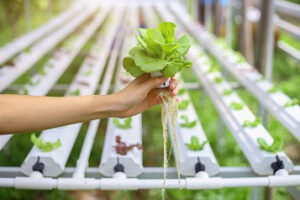 Hydroponic farming is often celebrated for its water efficiency compared to soil farming. This efficiency largely depends on the plumbing system’s ability to recirculate and conserve resources. By reducing runoff, minimizing evaporation, and enabling precise nutrient delivery, plumbing systems contribute directly to sustainability goals.
In some advanced setups, plumbing is even designed to collect and reuse condensation from HVAC systems or rainwater from rooftop tanks. These closed-loop designs exemplify how thoughtful plumbing can support eco-conscious farming practices and reduce reliance on municipal water supplies.
Plumbing Maintenance and Troubleshooting
No system is immune to wear and tear, and hydroponic plumbing is no exception. Leaks, clogs, and pump failures can compromise the health of an entire crop. Regular maintenance involves flushing pipes, checking for leaks, cleaning filters, and inspecting valves. Preventative care helps avoid larger issues and ensures consistent performance.
Many farms keep a maintenance log and perform scheduled checks to keep plumbing in optimal condition. Having spare parts on hand and training personnel in basic plumbing skills can greatly reduce downtime and crop loss in case of system failure.