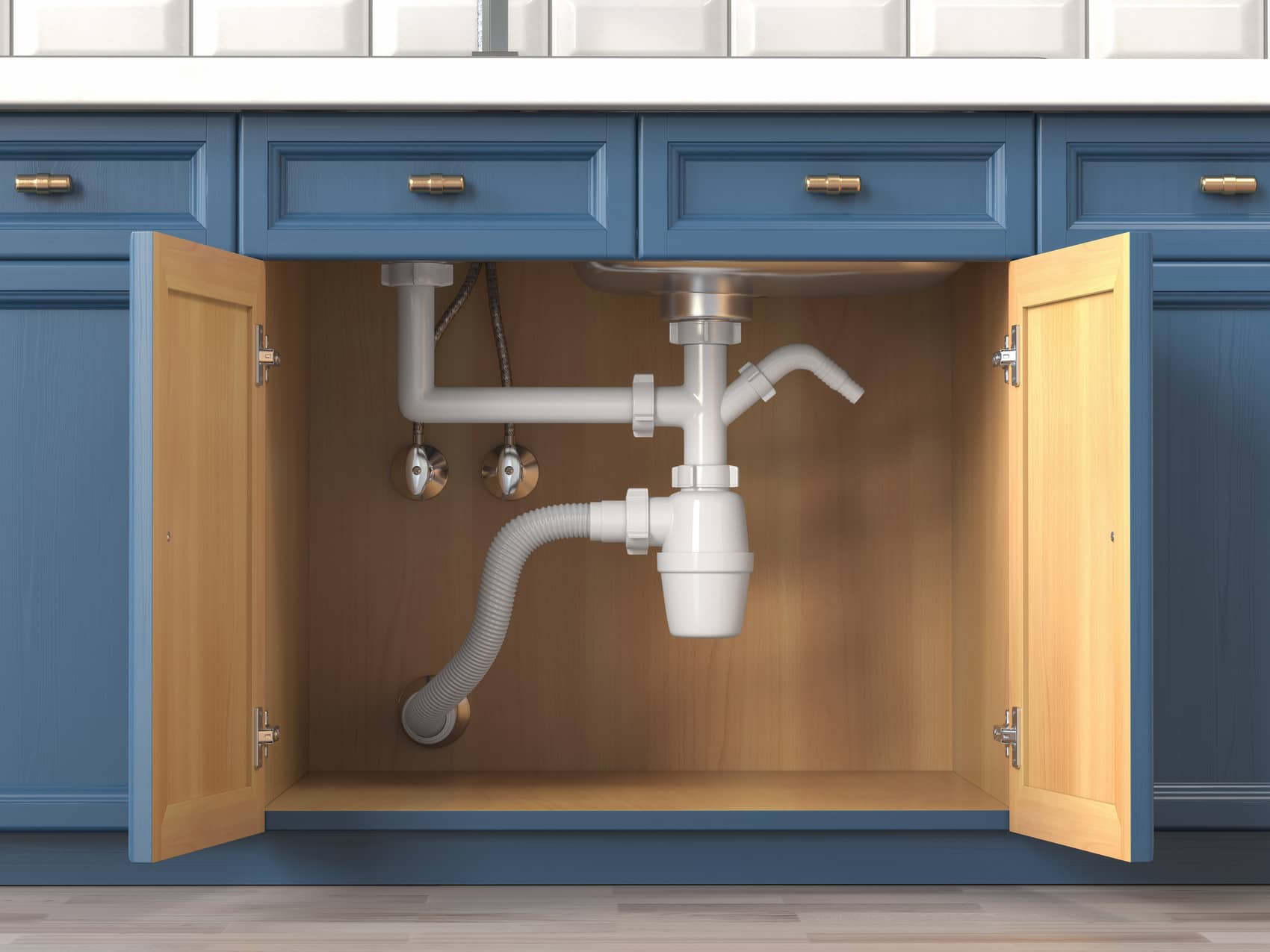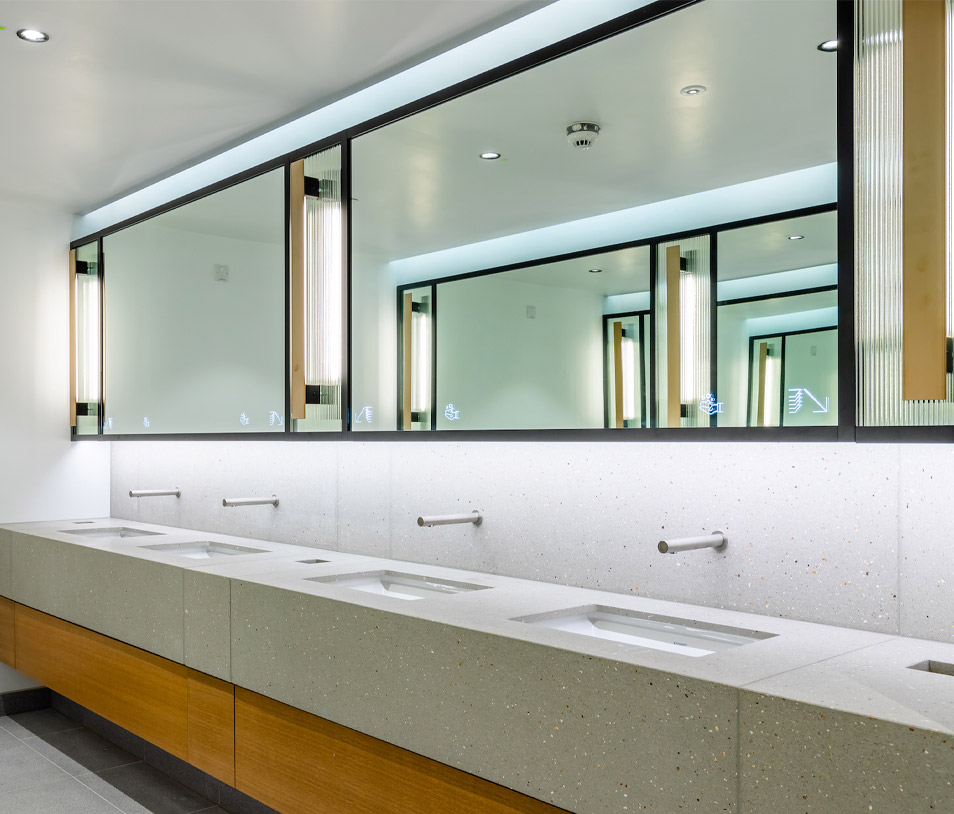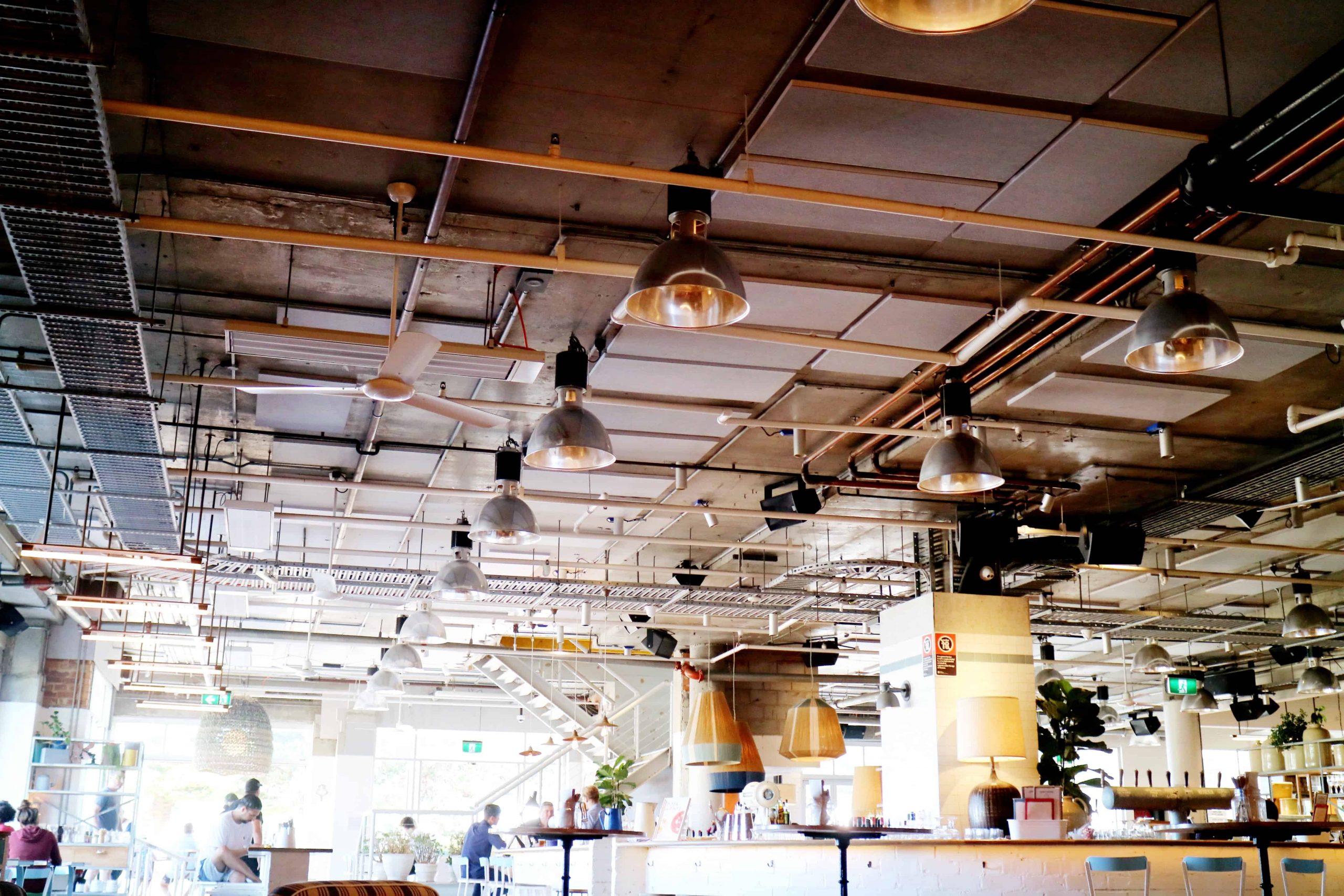
What was once hidden behind walls is now proudly displayed in modern architectural spaces. Exposed plumbing, once associated solely with basements, warehouses, or industrial facilities, has found its way into trendy apartments, boutique hotels, lofts, and even high-end homes. This dramatic shift reflects a growing appreciation for raw, utilitarian beauty and an increasing desire to embrace the structural honesty of a building’s core. The aesthetics of exposed plumbing go beyond function and become part of a space’s visual language, offering a blend of ruggedness, nostalgia, and modern minimalism.
A Nod to Industrial Roots
Exposed pipes bring an unmistakable industrial vibe to any space. Drawing inspiration from early 20th-century factories and workshops, this design trend emphasizes strength, durability, and simplicity. The materials most often associated with exposed plumbing—copper, galvanized steel, iron, and PVC—each tell their own visual story. When deliberately incorporated into interiors, these materials don’t just serve a function; they become central to the room’s identity.
Interior designers often use exposed plumbing to inject character into otherwise neutral spaces. For example, raw steel pipes running across a white wall offer striking contrast and dimension. In bathrooms and kitchens, where plumbing is already an integral part of the infrastructure, the decision to leave these elements uncovered can create bold statements with minimal additional design effort.
Functional Beauty in Bathrooms
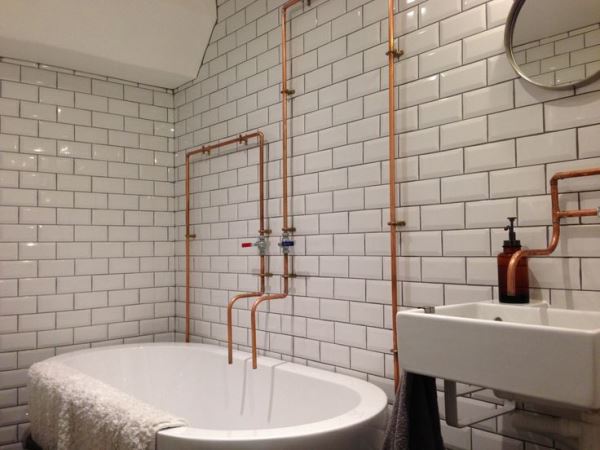
Bathrooms are natural habitats for exposed plumbing. Here, pipes and fixtures are not only necessary but also perfectly placed for visual impact. Freestanding tubs with visible supply and drain lines, wall-mounted sinks with exposed brackets and P-traps, and shower systems that display every valve and connector contribute to a look that’s both utilitarian and elegant.
Polished brass or copper fixtures bring warmth and luxury, while matte black piping offers a sleek, contemporary appeal. Chrome and stainless steel provide a more clinical and clean feel, aligning well with minimalist aesthetics. The beauty of exposed bathroom plumbing lies in the opportunity it presents to harmonize form with function, creating an environment where the mechanical becomes beautiful.
Kitchens That Embrace the Raw
In kitchens, exposed plumbing often appears through open shelving designs, island sinks, or under-counter piping. This approach is particularly effective in open-concept homes or lofts where architectural features are used to define and enhance the aesthetic flow between rooms. When plumbing is on display, the hardware and routing become deliberate choices in the overall design scheme.
Many modern kitchens now feature exposed pot fillers, suspended dish sprayers, and copper lines that not only improve usability but also contribute to a rugged, bespoke appearance. The strategic exposure of piping can balance out sleek cabinetry and polished countertops, preventing the space from feeling too refined or sterile.
Bringing Structure Into Focus
One of the biggest appeals of exposed plumbing lies in its ability to bring the bones of a building to the forefront. It reflects a form of architectural honesty—nothing is hidden, everything serves a purpose, and every element contributes to the whole. This is especially powerful in renovated buildings where the charm of the original structure is meant to be preserved and celebrated.
When pipes, conduits, and ducts are left visible, they draw attention to the building’s framework, allowing occupants to appreciate its history and craftsmanship. This is particularly true in adaptive reuse projects, where old factories, warehouses, or industrial buildings are converted into living spaces. Leaving the mechanical elements visible tells a story about the space’s past and aligns with the broader design narrative.
Materials Matter in the Look
The aesthetic value of exposed plumbing often hinges on the materials chosen. Copper, with its rich, natural patina, is favored in spaces that aim for warmth and vintage appeal. It oxidizes over time, adding layers of visual depth. Galvanized steel, on the other hand, is more industrial in tone and works well in minimalist or utilitarian interiors. Iron has a heavier, more substantial feel and can serve as a statement element, particularly when paired with wood or concrete.
PVC and PEX, while less traditionally attractive, can also contribute to a modern look when used creatively. In colorful or artistic installations, they can become part of bold, unconventional designs that break from the norm. The key is not to mask the pipes but to make them integral to the room’s style, turning potential visual clutter into organized, purposeful beauty.
Complementing Design Themes
Exposed plumbing does not exist in isolation. Its impact depends heavily on the surrounding design language. In industrial interiors, it fits naturally, providing authenticity and reinforcing the raw aesthetic. In rustic spaces, it can be softened with wood and natural textiles, making the mechanical seem warm and welcoming. In modern homes, clean lines and strategic lighting help exposed plumbing feel sleek rather than chaotic.
One of the great benefits of this style is its versatility. It can be bold and eye-catching, acting as the centerpiece of a room, or it can recede into the background, offering subtle texture and interest. When combined with other exposed elements like beams, brick walls, and concrete floors, it forms part of a cohesive design strategy that prizes material integrity and visual candor.
Color and Contrast Play a Role
Color is another tool in amplifying the aesthetic of exposed plumbing. While metal finishes are the default, painted pipes have become increasingly popular. A pop of color—like red, blue, or green—can energize a neutral space, especially in creative or youthful environments. Matching pipe color to wall tones can also help them blend in, while contrasting colors can be used to highlight specific architectural paths or draw attention to certain features.
In spaces where plumbing intersects with lighting design, strategic fixtures can help highlight these elements, casting shadows and enhancing their sculptural quality. This interplay of light and line contributes to the artistic feel that exposed plumbing can bring, transforming it from background infrastructure into deliberate design.
Economic and Maintenance Considerations
While the aesthetic appeal of exposed plumbing is undeniable, its practical implications should also be considered. One of the major benefits is ease of maintenance. Because the pipes are visible and accessible, identifying leaks or making repairs is significantly simpler and less invasive. There’s no need to tear into drywall or tile to access the system.
From an economic perspective, skipping the cost of boxing in or hiding plumbing can save money, particularly in new construction or remodels. However, this savings is often offset by the need for higher-quality materials and more visually precise installation. Because the system will be on display, workmanship must be impeccable. Sloppy welds, uneven joints, or misaligned lines can ruin the desired aesthetic and draw the wrong kind of attention.
The Trend in Commercial Spaces
In commercial settings, especially cafes, breweries, creative offices, and boutique shops, exposed plumbing has become a hallmark of hip, urban design. It suggests authenticity, rebellion against over-stylization, and a commitment to straightforwardness. This look often appeals to younger demographics and aligns with broader cultural values around transparency and sustainability.
By leaving mechanical systems visible, these spaces communicate that nothing is being hidden from view—not the pipes, and metaphorically, not the business practices. It’s a subtle cue that says, “what you see is what you get,” which is an increasingly valuable message in consumer culture.
Creating a Balanced Design
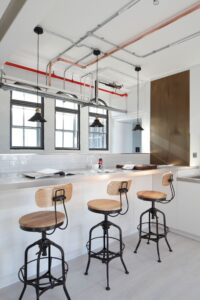 While exposed plumbing has aesthetic merit, balance is crucial. Too many visible pipes or an over-complicated layout can quickly lead to visual clutter. Successful execution involves thoughtful planning, precision placement, and a clear understanding of how each element interacts with the others in the space.
Good design isn’t about exposing everything possible—it’s about exposing the right things and framing them in a way that enhances the room. It’s about knowing where a pipe should be a focal point and where it should simply support the composition. That restraint is what separates a curated industrial look from a chaotic mechanical room.
A Design Choice with Depth
Choosing to expose plumbing is more than a stylistic whim. It reflects a philosophy about design—one that values transparency, function, history, and craftsmanship. It turns necessary systems into architectural features, and in doing so, it challenges traditional notions of beauty in interior spaces. For some, this may feel like a radical departure from polished, magazine-ready interiors. For others, it’s a return to something real.
The aesthetics of exposed plumbing are rooted in contrast—hard lines against soft walls, cool metals alongside warm woods, the old meeting the new. This visual and conceptual tension is what makes the trend so enduring. It appeals to our desire for authenticity and our fascination with the inner workings of the spaces we inhabit.