Airports are among the most complex and heavily used public infrastructures in the world. From bustling international hubs that welcome millions of travelers each year to regional airstrips serving local populations, one of the most vital yet invisible systems keeping these facilities operational is plumbing. While travelers rarely consider what goes on behind the scenes, the plumbing systems in airports perform a crucial role in ensuring smooth operations, sanitation, safety, and even comfort.
The Unseen Network Beneath the Terminals
Beneath the terminals and runways lies a vast and intricate network of pipes, valves, pumps, and drainage systems that work tirelessly around the clock. Plumbing in airports doesn’t simply involve sinks, toilets, and water fountains. It also includes advanced systems for stormwater drainage, industrial waste management, fuel and chemical separation, fire suppression, and heating and cooling distribution. These systems must work with surgical precision, given the tight schedules and high volume of human and aircraft traffic.
Airports operate on a strict schedule with little room for disruption, so plumbing failures are not just inconvenient—they can be catastrophic. Any malfunction in the plumbing infrastructure can ripple across departments, delay flights, inconvenience thousands of passengers, and cost millions in lost revenue. For these reasons, airport plumbing systems are designed for high durability and continuous operation, with redundancies built into critical functions.
Sanitation and Hygiene in High-Traffic Areas
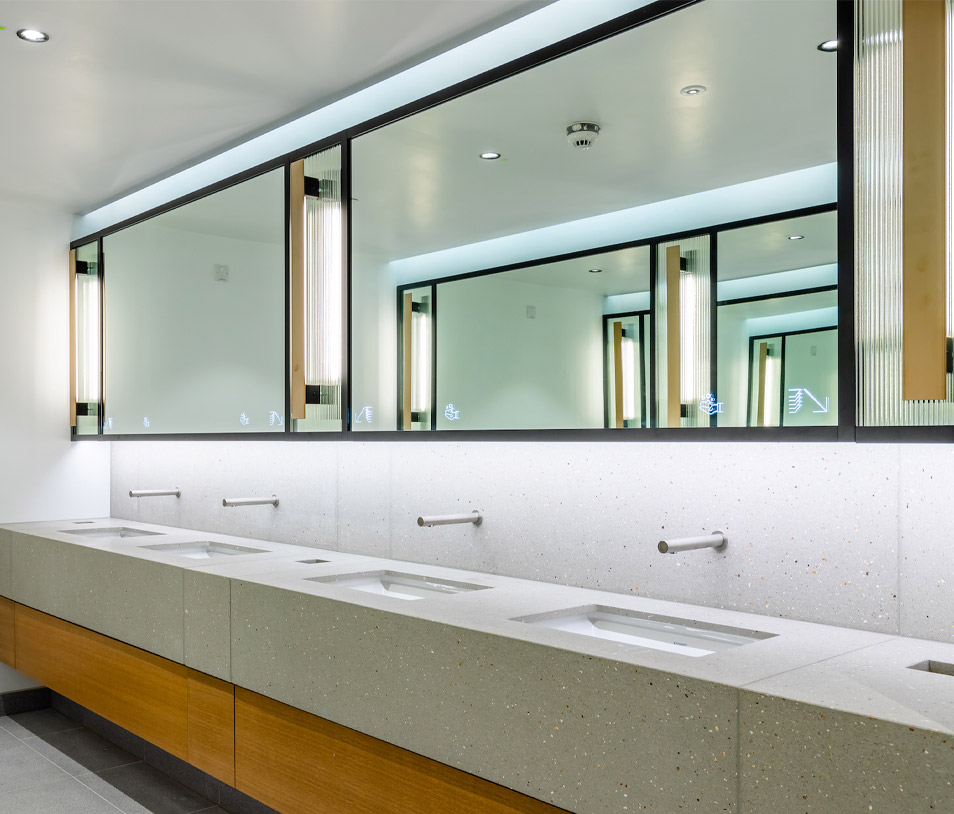
 One of the most visible applications of plumbing in airports is in maintaining hygiene standards. With thousands of passengers, flight crew members, and airport staff using restrooms, sinks, and drinking fountains daily, sanitation infrastructure must be robust, efficient, and easy to maintain. Restrooms are strategically located throughout terminals, and their plumbing systems are designed to handle exceptionally high usage volumes.
Automated fixtures—such as touchless faucets, flush systems, and soap dispensers—are increasingly common to reduce the spread of germs and enhance user convenience. These features depend on well-integrated plumbing and electronic systems, requiring specialized maintenance personnel trained in both plumbing and smart facility technologies.
In addition to passenger areas, airport kitchens, lounges, and food courts require extensive plumbing to support dishwashing stations, beverage systems, and grease traps. Without an efficient system to manage wastewater and food-related waste, hygiene risks and health code violations could shut down airport eateries, affecting both passenger satisfaction and revenue streams.
Stormwater Management and Environmental Compliance
Airports occupy large surface areas with extensive tarmac, taxiways, and runways. During rainstorms or snow melts, these surfaces can generate massive amounts of runoff. Effective stormwater management is essential not only for safety but also for environmental compliance. Plumbing systems are designed to collect, channel, and treat stormwater before it can re-enter the natural ecosystem.
Underground drainage systems, retention ponds, oil-water separators, and filtration basins are all components of airport plumbing that prevent contaminants like fuel, de-icing fluids, and chemicals from polluting local water sources. Environmental regulations are strict, and failure to manage runoff properly can result in significant fines and damage to public trust.
Some modern airports go even further by incorporating sustainable stormwater solutions. Green roofs, permeable pavements, and rainwater harvesting systems are increasingly being integrated into new airport designs. These features lighten the load on traditional plumbing systems while supporting sustainability goals and reducing long-term utility costs.
Plumbing for Fire Safety and Emergency Preparedness
Fire safety is a major concern in any public facility, but especially so in airports due to the presence of aviation fuel, electrical systems, and large volumes of people. Plumbing systems play a central role in fire prevention and emergency response. Sophisticated fire suppression systems, including sprinkler networks, fire hydrants, and foam delivery systems, depend on reliable water pressure and proper plumbing infrastructure.
These systems must be maintained regularly to comply with international safety standards. They’re often integrated with alarm and ventilation systems for synchronized responses during emergencies. Plumbing engineers and airport safety teams work together to ensure that these life-saving features are functional, even in extreme weather or high-stress situations.
In airfields, specialized foam systems are used for aircraft hangars and fueling zones where traditional water sprinklers would be ineffective or dangerous. The design and maintenance of these systems demand high-level expertise and adherence to aviation-specific safety regulations.
Heating, Cooling, and Water Supply Systems
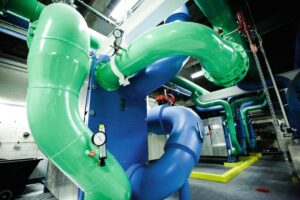
Beyond sanitation and safety, plumbing also supports the comfort and functionality of the airport through heating, cooling, and general water distribution. Large-scale heating and cooling systems often rely on hydronic plumbing, where water is heated or cooled and then circulated through terminals. This method is energy-efficient and provides consistent temperature control for both passengers and airport staff.
Airports also need extensive hot water supply systems for restrooms, kitchens, and maintenance areas. Depending on the size of the airport, these systems may include industrial-sized boilers, recirculation pumps, and temperature regulation units to maintain supply without lag or interruption.
Reliable cold water supply is equally critical—not just for human consumption, but also for mechanical operations, cleaning processes, and facility maintenance. Pipes need to be insulated against temperature extremes, particularly in regions with harsh winters or scorching summers. Plumbing design in these climates must accommodate expansion and contraction to prevent pipe bursts or failures.
Wastewater Treatment and Disposal Challenges
Wastewater disposal at airports presents unique challenges. The volume of waste generated in a single day can rival that of a small town. In addition to human waste, airports deal with wastewater from aircraft lavatories, cleaning services, food preparation areas, and maintenance facilities.
Aircraft lavatory systems are serviced by special vacuum trucks that transport the waste to designated treatment areas. Once collected, this waste must be processed in accordance with local environmental laws. Some airports operate their own wastewater treatment plants, reducing the burden on municipal systems and allowing for more tailored treatment protocols.
Aircraft de-icing is another contributor to airport wastewater. The fluids used must be collected and processed separately to prevent environmental damage. Plumbing systems designed for this purpose must be strategically located around runways and gates, ready to capture runoff efficiently even in sub-zero conditions.
The Role of Technology in Modern Airport Plumbing
 Technological integration has elevated airport plumbing from a basic utility to a dynamic, smart system. Modern sensors monitor everything from water pressure to pipe leaks, sending real-time alerts to maintenance teams. Automated control systems can adjust water flow, detect anomalies, and reduce waste.
Some airports use Building Information Modeling (BIM) and Geographic Information Systems (GIS) to visualize and manage their plumbing networks. These tools make it easier to identify potential problem areas, plan upgrades, and ensure compliance with safety and environmental codes.
Additionally, water-saving technologies are being widely adopted to reduce consumption. Dual-flush toilets, low-flow fixtures, and smart irrigation systems help airports minimize their environmental footprint without compromising functionality. These features, while cost-effective in the long run, require careful planning and expert installation to integrate seamlessly into existing systems.
Behind-the-Scenes Expertise and Maintenance
None of these systems would function without skilled professionals working tirelessly behind the scenes. Licensed plumbers, hydraulic engineers, and maintenance crews form the backbone of airport operations. Their responsibilities go far beyond fixing leaks—they are tasked with the upkeep of complex and critical systems that ensure traveler safety, sanitation, and comfort.
Maintenance teams conduct regular inspections, emergency drills, and repairs. They also liaise with construction teams during renovations and expansions to ensure plumbing infrastructure keeps pace with growing demands. Given the size and scope of most airports, plumbing professionals often work in shifts to guarantee 24/7 coverage.
Training is essential, and many airport plumbing teams receive specialized instruction in aviation facility requirements, environmental safety, and emerging technologies. The stakes are high, and there is no margin for error.
Plumbing as a Foundation of Efficiency
When people think of what keeps airports running smoothly, they often think of air traffic controllers, pilots, and security teams. Rarely do they consider the plumbing systems that allow these roles to operate without disruption. From managing stormwater and wastewater to providing fresh drinking water and ensuring fire safety, plumbing is woven into the fabric of airport functionality.
Each pipe, valve, and drain contributes to a seamless travel experience. Without these systems working behind the scenes, even the most well-orchestrated airport would descend into chaos. Plumbing doesn’t just keep the water flowing—it keeps the entire operation grounded and dependable.