Plumbing may not be the first thing that comes to mind when we think about food safety, but it is a silent guardian in our kitchens, restaurants, food processing plants, and even farms. The integrity of a plumbing system can make the difference between a meal that nourishes and one that causes harm. From clean water supply to waste removal and temperature control, plumbing plays a central role in preventing contamination and preserving the safety of the food we eat every day.
Ensuring Safe Water from the Start
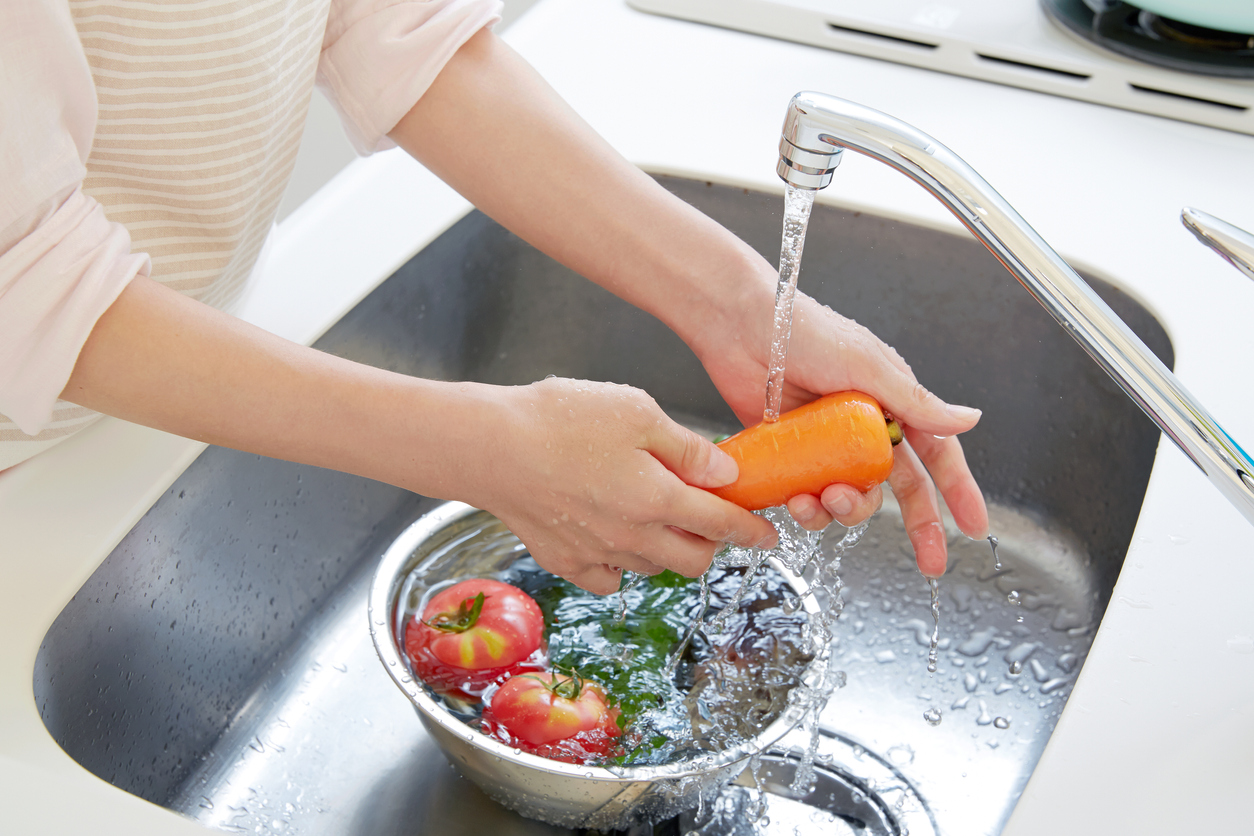
One of the most fundamental connections between plumbing and food safety is the provision of clean, potable water. Water is used throughout the food production chain—for cleaning raw ingredients, cooking, washing surfaces, and more. If the plumbing system fails to deliver uncontaminated water, the consequences can be severe. Contaminated water can introduce bacteria like E. coli, Salmonella, or Listeria into food products, posing serious health risks.
Backflow prevention is a key plumbing mechanism that helps avoid the mixing of clean water with wastewater or chemicals. Devices like vacuum breakers, air gaps, and double-check valves are installed to ensure water only flows in one direction. Without such systems in place, there is always the risk that dirty water could re-enter the clean supply, leading to cross-contamination. In large-scale kitchens and industrial settings, proper water supply lines with backflow preventers are essential to uphold hygienic operations.
Food Establishments and Drainage Design
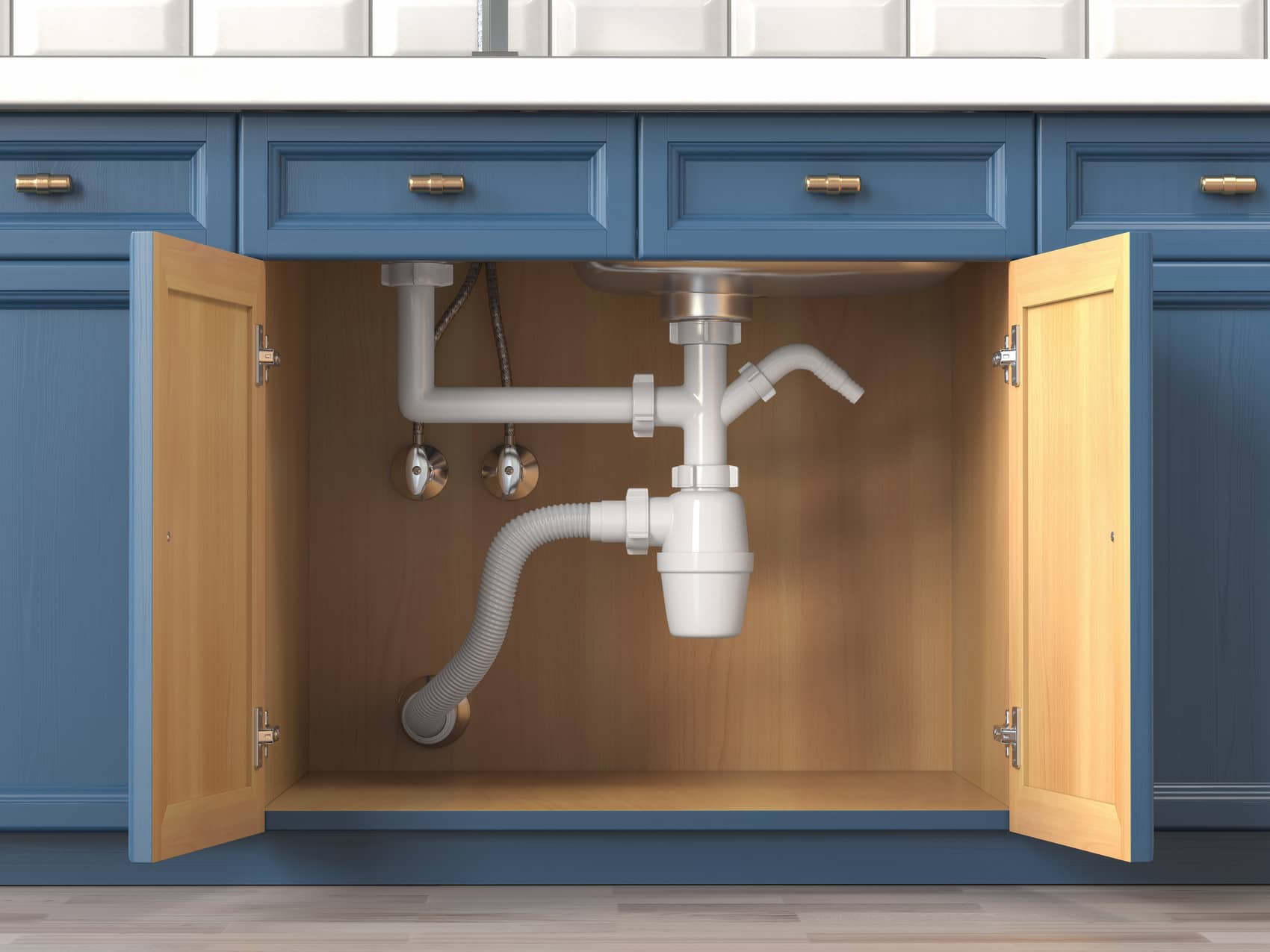
 Efficient drainage is just as important as water supply. In restaurants, cafeterias, and other food service establishments, floor drains, sink traps, and grease interceptors must be properly installed and maintained to prevent blockages, backflow, or foul odors. Poorly managed waste disposal systems can attract pests or cause standing water, both of which are major violations of health codes and pose risks to food safety.
A key function of plumbing is to ensure that waste, including scraps, cleaning chemicals, and wastewater, is safely transported away from food preparation areas. Grease traps play a major role here. These devices capture fats, oils, and grease from kitchen wastewater before it enters the sewage system. When grease traps are clogged or poorly maintained, backups can occur, resulting in spills that may contaminate food storage areas or utensils. The right plumbing layout and routine maintenance prevent these threats and support a hygienic environment.
Temperature Regulation and Cross-Contamination
Another often overlooked role of plumbing in food safety lies in temperature control. Hot water heaters, chiller lines, and refrigerated storage units often rely on plumbing systems to function effectively. Inadequate heating or cooling due to faulty plumbing can allow bacteria to multiply on surfaces, ingredients, and equipment.
In foodservice operations, consistent hot water availability is critical for sanitizing dishes, utensils, and kitchen tools. Regulations often require specific temperatures for hot water to effectively kill bacteria. A plumbing failure that interrupts the hot water supply can render cleaning processes ineffective, thereby endangering the safety of the food being served.
Similarly, refrigeration units connected to water-cooled systems depend on reliable plumbing to keep perishables at safe temperatures. If a chiller coil leaks or a line becomes blocked, temperatures may rise above the safe threshold, increasing the risk of spoilage or bacterial growth.
Plumbing in Food Processing and Manufacturing
The industrial side of food production also relies heavily on plumbing. In manufacturing plants where large quantities of food are processed, everything from steam lines to wash stations to ingredient pipelines must be designed with hygiene in mind. Stainless steel piping, for instance, is commonly used due to its resistance to corrosion and ease of cleaning. The materials and configurations of pipes can influence whether harmful biofilms—slimy layers of bacteria—form within the system.
Properly engineered plumbing systems in these settings must avoid dead legs, or areas of the pipework where water stagnates and bacteria can thrive. A well-designed system ensures continuous flow, easy cleaning access, and minimal risk of microbial contamination. Sanitary design principles also call for systems to be easy to dismantle and inspect, especially when switching between different products on the same line.
Regulatory Oversight and Compliance
Governmental and international food safety standards often include specific plumbing requirements. In the United States, the Food Code published by the FDA outlines how plumbing must be installed and maintained in food establishments. This includes rules on backflow prevention, minimum water pressure, hot water availability, and drainage. Health inspectors frequently check plumbing systems when evaluating compliance with food safety regulations.
Failure to meet plumbing-related codes can result in citations, fines, or even closure of a food business. These rules are in place not to burden owners, but to create an invisible shield that protects public health. Understanding and investing in proper plumbing infrastructure is not just a matter of ticking regulatory boxes—it’s a core element of safe food handling.
Plumbing’s Role in Agriculture and Irrigation
Food safety doesn’t start in the kitchen or factory—it begins on the farm. Irrigation systems, livestock watering stations, and produce washing facilities all rely on plumbing to function safely. If these systems draw from contaminated sources or are improperly maintained, pathogens can be introduced at the earliest stages of the food supply chain.
Drip irrigation systems, widely used for their water efficiency, depend on clean plumbing lines that prevent contamination. If fertilizers or pesticides backflow into water lines due to improper design, they can taint the very crops intended for consumption. Farmers must consider cross-connection control and ensure that water lines are fitted with the necessary backflow preventers.
In facilities where produce is washed before shipping, the plumbing must deliver water that is clean and maintained at the right pressure and temperature. These systems often also involve disinfectants or sanitizers in the water, requiring precise dosing through well-calibrated plumbing mechanisms.
Contingency Planning and Emergency Plumbing Response
Disruptions in plumbing systems can have immediate and serious implications for food safety. A burst pipe, sewage backup, or water contamination issue can halt food operations or necessitate the disposal of large quantities of product. That’s why contingency planning is critical.
Food facilities often have emergency plumbing protocols in place, such as procedures for shutting off water supply lines, redirecting drainage, or switching to alternative water sources. Rapid response can prevent a plumbing issue from becoming a full-blown food safety crisis. Regular inspections, maintenance schedules, and staff training ensure that teams know how to respond when the unexpected occurs.
Innovations in Plumbing for Better Food Safety
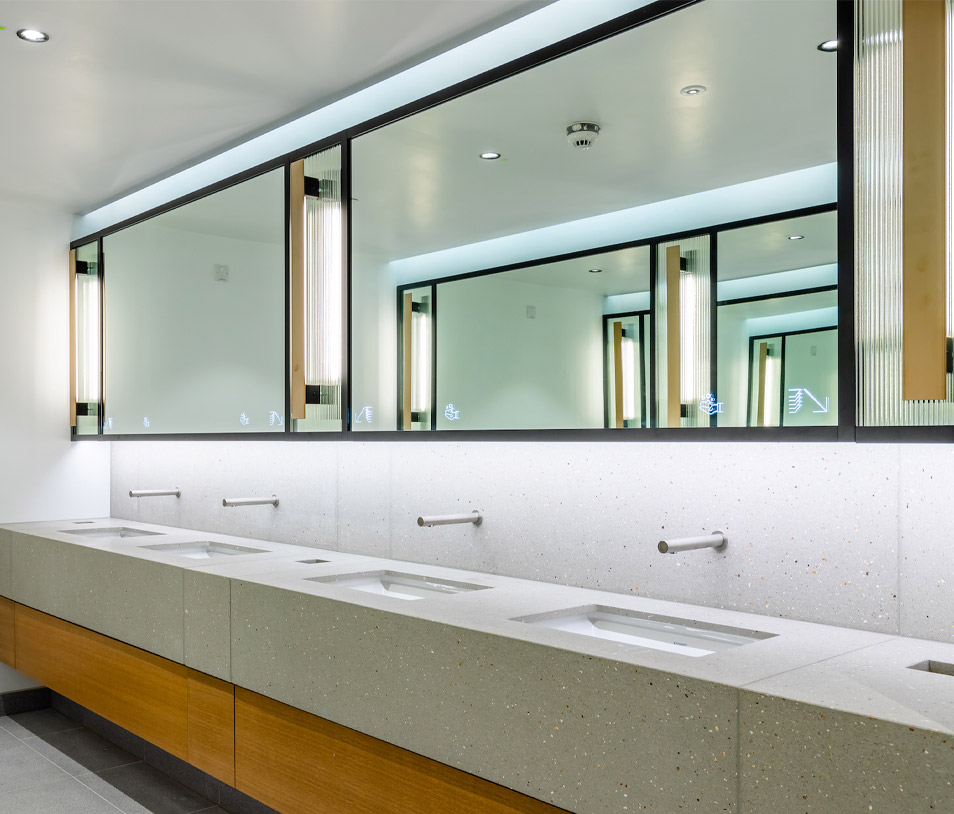
The field of plumbing is evolving, and many of its innovations are aimed at improving hygiene and safety. Sensor-operated faucets, for instance, reduce the need for contact with handles, thereby lowering the risk of cross-contamination. Touchless plumbing is becoming common in restaurants, cafeterias, and hospital kitchens.
Water filtration and purification systems are also becoming more sophisticated. Some establishments use ultraviolet (UV) treatment units, reverse osmosis systems, or ozone disinfection as part of their plumbing to further purify water used in food preparation. Smart plumbing technology that monitors flow rates, detects leaks, and ensures consistent temperature is being integrated into foodservice operations to proactively manage risks.
Designing with Food Safety in Mind
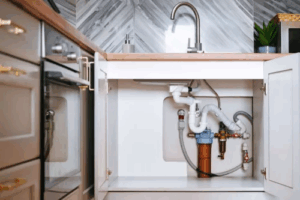 Designing a kitchen or food processing space with food safety as a core principle requires a strategic approach to plumbing. Fixtures must be placed with handwashing stations close to prep areas, grease traps located where they’re easy to clean, and floor drains sloped correctly to prevent pooling. Clean water lines should be color-coded or clearly marked to prevent confusion during maintenance.
In commercial settings, it’s also important to ensure that potable and non-potable water lines are separated and appropriately labeled. Plumbing routes should minimize crossing over food preparation areas to avoid potential drips or leaks contaminating surfaces. These considerations are best addressed during the design and construction phase, but they can also be retrofitted in existing spaces with careful planning.
The Human Factor: Training and Awareness
Even the best plumbing system can fall short if not properly used and maintained. Staff working in food environments need to be trained not only on food handling but also on the basics of plumbing-related hygiene. Understanding why a faucet shouldn’t be tampered with, why backflow preventers must remain intact, or how to report a leak can make a significant difference in maintaining food safety.
Facility managers should ensure that maintenance crews and kitchen staff understand their roles in preventing contamination from plumbing issues. Whether it’s reporting low water pressure, noticing a strange odor from a drain, or identifying a potential cross-connection, human vigilance complements technical infrastructure.