In the world of hospitality, design is often celebrated for its visual appeal—chic interiors, luxurious finishes, and grand architectural statements. However, beneath the polished surfaces lies a vital system that plays an essential role in shaping the overall guest experience: plumbing. From the moment a guest steps into a hotel lobby to the time they take a hot shower or sip water from the bar, plumbing is working silently but significantly. While rarely in the spotlight, its influence is fundamental to how hospitality spaces are planned, designed, and experienced.
Plumbing systems are not simply technical necessities; they are integral to the aesthetic, functional, and sustainable goals of modern hospitality environments. The seamless integration of water supply, drainage, heating, and even ambient wellness elements has evolved from a utilitarian requirement into a design cornerstone. In today’s competitive hospitality industry, where guest expectations are higher than ever, plumbing is more than infrastructure—it’s a strategic design asset.
Designing for Guest Comfort Starts with Water Flow
One of the most immediate and intimate ways guests interact with a hospitality space is through water. Whether it’s a rainfall shower, a spa tub, or simply washing their hands in the bathroom, these moments contribute directly to comfort and perception. Plumbing design, therefore, begins with anticipating these touchpoints and ensuring that water delivery systems support them with both precision and luxury.
This means plumbing systems must offer consistent water pressure, temperature control, and efficiency—all while remaining unobtrusive. In high-end hotels and resorts, the sensation of taking a shower isn’t just about hygiene—it’s about indulgence. The ability to deliver hot water instantly, regulate temperature accurately, and ensure quiet operation contributes to a guest’s overall satisfaction. Designers must collaborate closely with plumbing engineers to select fixtures and systems that blend aesthetic appeal with high performance.
Maximizing Space and Functionality in Compact Environments
In hospitality design, space is always at a premium. Whether it’s a boutique hotel in a dense urban setting or a luxury resort suite with intricate spatial layouts, efficient use of space is crucial. Plumbing design plays a major role in achieving that efficiency without compromising comfort or function.
Vertical plumbing stacks, compact piping systems, and modular bathroom units are all employed to optimize space utilization. These solutions not only preserve the elegance of room layouts but also enable rapid construction and easier maintenance. Smart plumbing layouts also reduce the risk of noise transfer between rooms, an often-overlooked factor that can impact sleep quality and guest comfort.
Integrating plumbing with architectural planning at the earliest stages allows designers to conceal unsightly components while still providing full functionality. This kind of spatial harmony is a hallmark of great hospitality design and wouldn’t be possible without thoughtful plumbing strategy.
Sustainability and Environmental Design Considerations
Sustainability has moved from a trend to an industry standard, especially in hospitality. Modern travelers are increasingly eco-conscious, seeking accommodations that align with their values. Plumbing systems have emerged as a key area where sustainability can be demonstrated through tangible features.
Low-flow fixtures, dual-flush toilets, greywater recycling systems, and on-demand hot water delivery all contribute to resource conservation. Beyond these elements, the overall efficiency of the plumbing network—such as pipe insulation and leak detection systems—can significantly reduce water waste and energy consumption.
Many leading hospitality brands pursue LEED certification or similar green building standards, and plumbing is instrumental in achieving those benchmarks. Designers must work hand-in-hand with engineers to ensure that plumbing systems not only comply with environmental standards but also enhance the building’s long-term sustainability performance. Sustainable plumbing not only lowers operational costs but also appeals to a new generation of environmentally aware guests.
Luxury and Wellness Trends Influence Plumbing Features
Hospitality has increasingly embraced wellness as a core component of the guest experience. This evolution has expanded the role of plumbing to include not just hygiene and convenience but also therapeutic and sensory experiences. Spa-inspired bathrooms, hydrotherapy tubs, steam showers, and even in-room water features are now considered key attractions in luxury accommodations.
These features require highly specialized plumbing systems capable of delivering filtered, temperature-controlled water with quiet precision. The use of aromatherapy steam showers or chromotherapy lighting in spa settings also demands integration between plumbing, electrical, and lighting design.
Wellness-centric design elevates plumbing from hidden infrastructure to a centerpiece of the guest journey. Designers must think beyond standard function and imagine how plumbing elements can be curated to foster relaxation, rejuvenation, and health.
Operational Efficiency and Long-Term Maintenance
While the guest experience is paramount, hospitality businesses must also consider the operational demands of maintaining plumbing systems over time. A poorly designed system can result in frequent breakdowns, high maintenance costs, and even reputational damage if issues like water leaks or lack of hot water disrupt service.
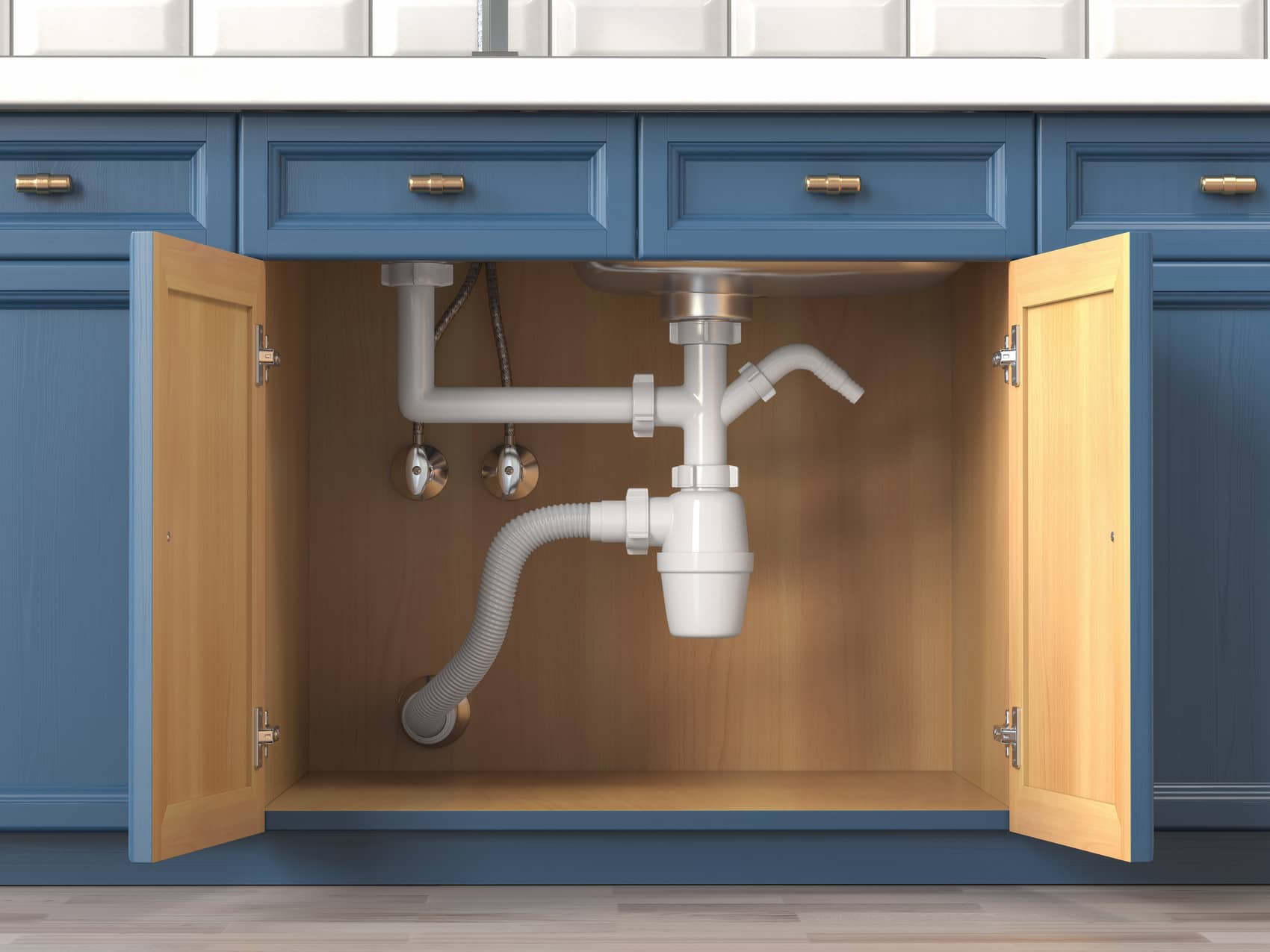
To ensure durability and reliability, plumbing systems in hospitality settings are designed with robust materials, redundancies, and easy access for repairs. For instance, water heaters may be installed in pairs or with backup systems, and drain systems are designed to be accessible without dismantling finishes.
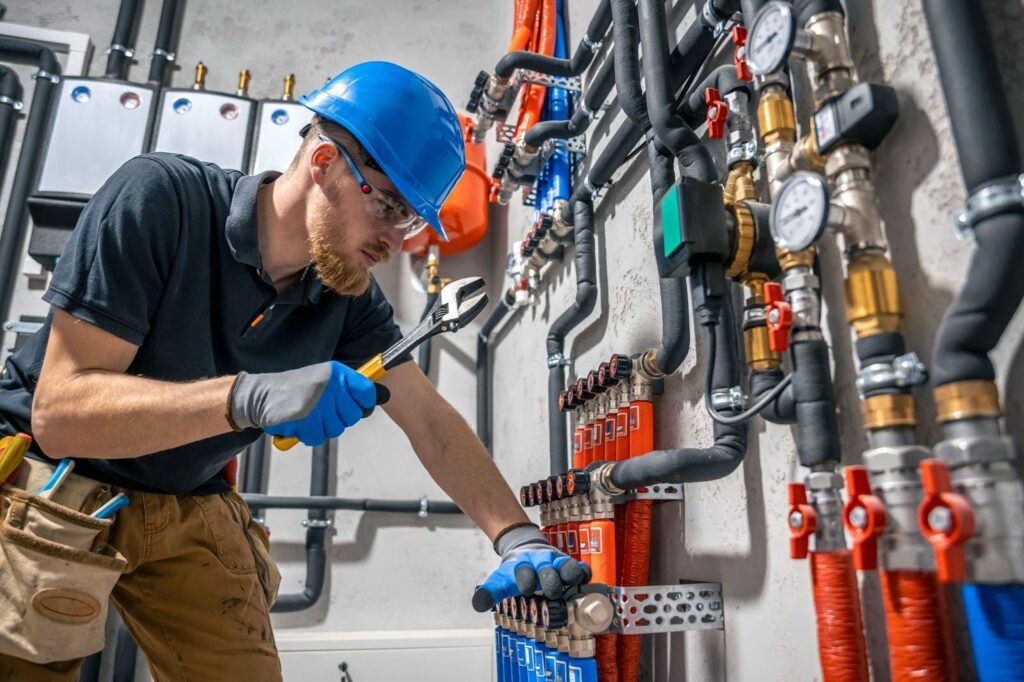
Mechanical rooms and service corridors are strategically positioned to allow maintenance teams to monitor and manage plumbing systems without disturbing guests. The design also considers the needs of housekeeping staff and kitchen teams who rely heavily on water infrastructure for daily operations.
Good plumbing design reduces downtime, minimizes disruption, and extends the lifespan of building systems—all of which contribute to higher efficiency and lower operational costs.
Public Spaces and the Power of First Impressions
 Plumbing plays a pivotal role in hospitality public areas such as lobbies, lounges, restaurants, and event spaces. These areas often include high-traffic restrooms, decorative water installations, and bar or kitchen plumbing that must handle large volumes without failure.
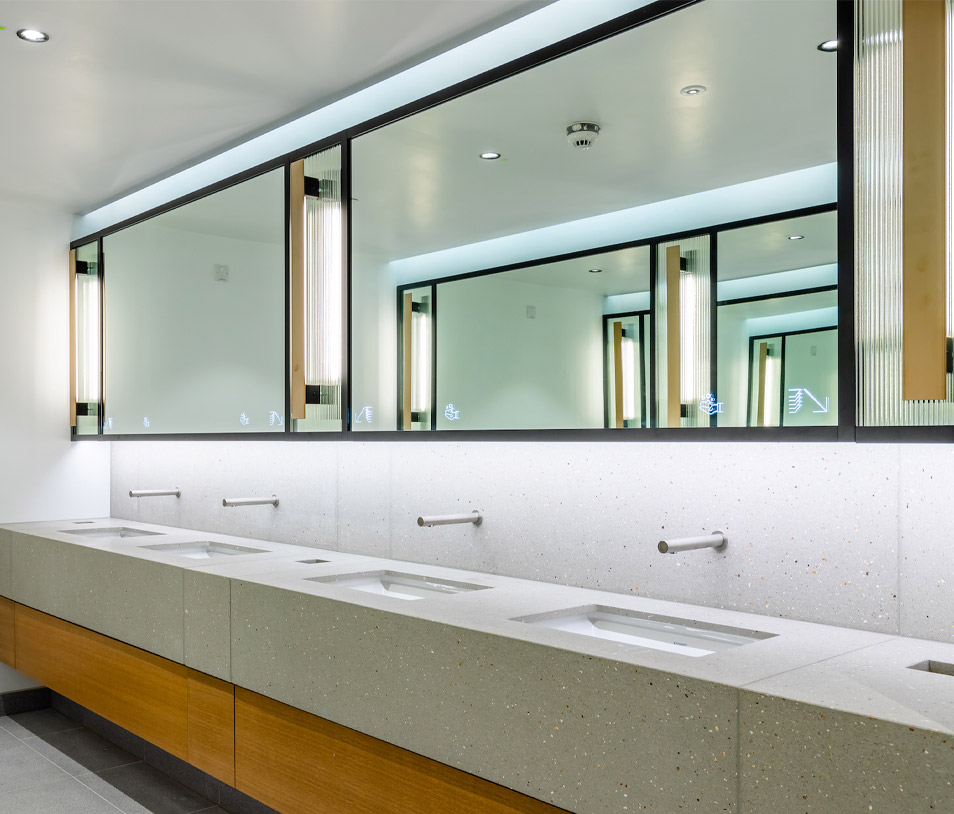
Restroom design, in particular, influences guest perceptions. Clean, well-lit, and odor-free facilities suggest high standards of hygiene and care. Fixtures like touchless faucets and flush systems not only improve sanitation but also enhance the modern, tech-savvy aesthetic that many hotels aim for.
In some properties, dramatic water features such as indoor fountains or water walls double as artistic centerpieces while also contributing to a calming atmosphere. These installations demand sophisticated plumbing and water treatment systems to ensure reliable operation and visual appeal.
First impressions matter in hospitality, and plumbing is often behind the scenes making those impressions positive, memorable, and lasting.
The Role of Innovation and Smart Technology
Technology has transformed plumbing from a passive system into a smart and interactive component of hospitality environments. Today’s hotels can monitor water usage in real time, detect leaks automatically, and provide guests with app-based control over water temperature and flow.
Smart showers and digital faucets give users precision control while helping conserve water. Advanced water filtration and purification systems add another layer of luxury and safety, especially in high-end resorts or locations where water quality might be a concern.
These innovations are not only guest-facing but also provide critical data to hotel operators. Monitoring consumption patterns helps identify inefficiencies, leaks, or usage trends, allowing proactive maintenance and cost control.
Smart plumbing aligns with the broader trend of digital transformation in hospitality, where every system—from lighting to HVAC to water—contributes to an intelligent, responsive, and guest-centered experience.
Adaptive Plumbing Design for Renovations and Retrofits
Many hospitality properties undergo renovations rather than being built from scratch. Retrofitting plumbing systems in older buildings presents unique challenges but also opportunities for creative design solutions. Designers and engineers must navigate legacy systems, outdated materials, and spatial limitations while bringing the building up to modern standards.
Adaptive plumbing design might involve rerouting supply lines, installing new risers, or introducing modular systems that allow upgrades without major demolition. Flexible piping materials and prefabricated plumbing components are increasingly used in these contexts.
Careful planning ensures that renovations enhance both guest experience and operational performance without requiring prolonged closures or disruptive construction. Adaptive reuse projects—such as transforming historic buildings into boutique hotels—depend on innovative plumbing solutions to bridge the gap between old structures and new expectations.