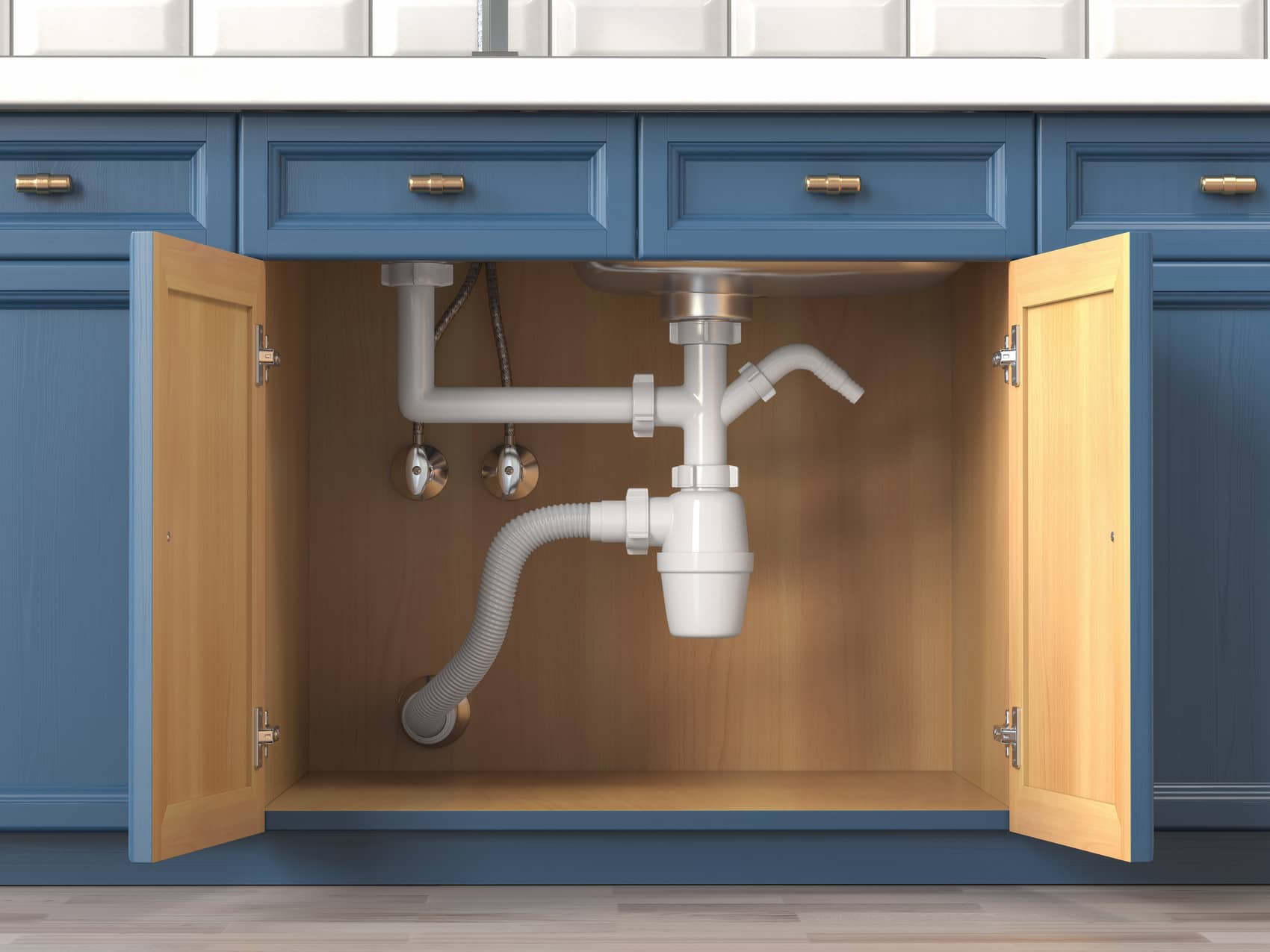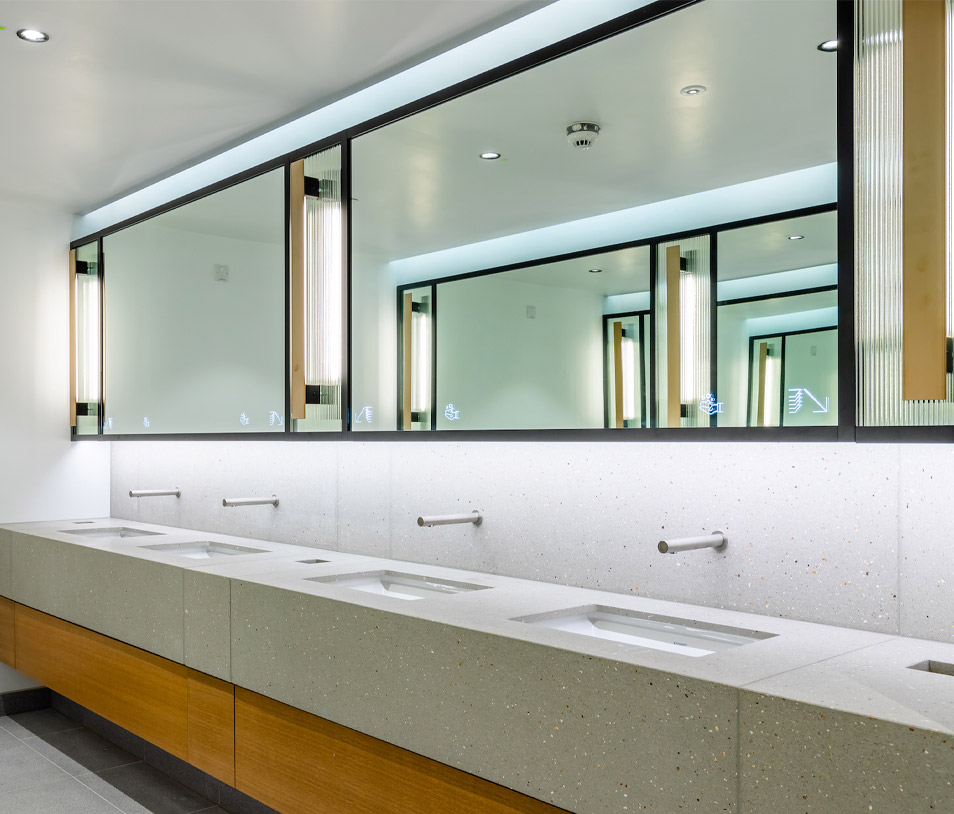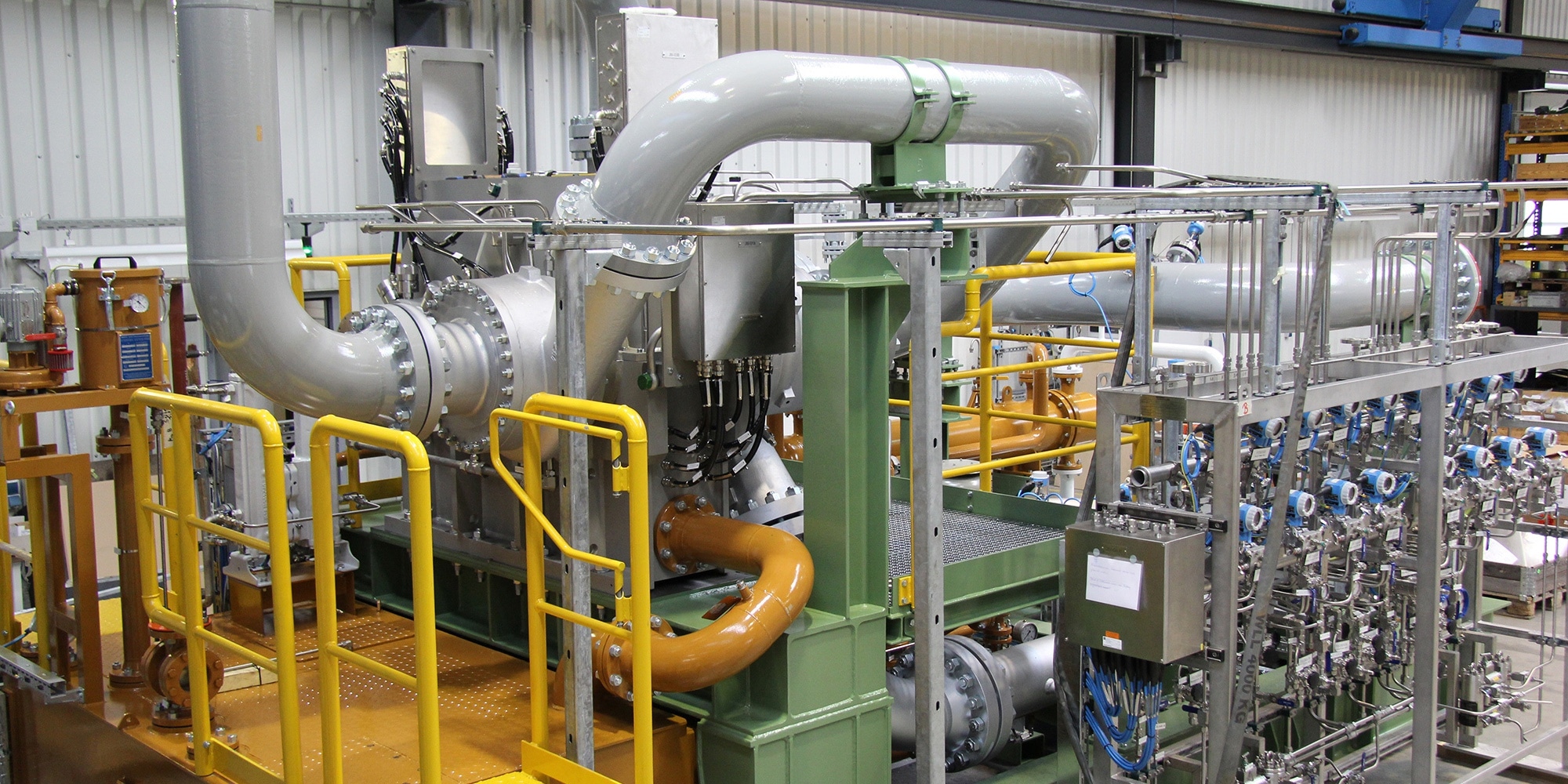
In today’s evolving industrial and commercial landscape, warehouses are no longer limited to basic storage. These large facilities often serve multiple functions—housing manufacturing units, office spaces, retail displays, and even climate-controlled environments. As the usage of warehouse spaces becomes more dynamic, so too must the infrastructure supporting them, particularly plumbing systems. Plumbing in multi-use warehouse environments presents unique challenges and opportunities, requiring a blend of industrial durability, commercial efficiency, and sometimes even residential comfort.
Understanding the Functional Demands of Warehouses
Unlike traditional buildings that serve a single purpose, multi-use warehouses need plumbing that accommodates varied functions. A warehouse may have areas for food processing, administrative offices, employee restrooms, customer showrooms, and utility hubs—all under one roof. Each of these zones places different demands on the plumbing system. Where a manufacturing section may require high-capacity water lines for equipment and sanitation, the office spaces will benefit from standard fixtures that promote comfort and cleanliness.
The design must consider water supply pressure, drainage capacity, and fixture types for different zones. Sanitary plumbing, process piping, and stormwater management systems may need to coexist and function in harmony. Efficiency and code compliance remain central concerns while creating flexible layouts that can adapt to evolving tenant or business needs.
Zoning Within the Plumbing Blueprint
 One of the most critical aspects of plumbing in multi-use warehouses is zoning. Zoning refers to dividing the building into areas with distinct plumbing needs, which allows engineers to tailor solutions that fit each purpose. For instance, heavy-duty floor drains and chemical-resistant piping might be essential for areas dealing with industrial processes. Meanwhile, low-flow faucets, water heaters, and drainage systems are more suitable for office and retail portions.
Proper zoning helps reduce energy and water waste, minimizes operational issues, and makes maintenance more manageable. It also ensures that problems in one section, such as a clogged industrial drain, don’t affect other parts of the facility like customer restrooms or breakrooms. Well-defined zones also assist in meeting environmental and health regulations, which often differ across usage types.
Integration with Building Systems
Modern warehouses rely on integrated building systems that encompass HVAC, electrical, and plumbing components working together for optimal performance. Plumbing must seamlessly align with these systems. For example, HVAC units might require water lines for humidification or cooling processes, and those need to be designed to avoid cross-contamination or backflow issues.
In warehouses that include food services or laboratories, plumbing often overlaps with specialized mechanical systems. Water filtration, temperature regulation, and waste handling all become more complex in such environments. Coordination between plumbing contractors and other trades during the design and build phases helps prevent costly revisions and future inefficiencies.
Accommodating Future Adaptability
The flexible nature of multi-use spaces demands that plumbing systems be designed not just for current usage but for possible future changes. This could include preparing for additional restrooms, expanded industrial zones, or repurposing a portion of the warehouse into climate-controlled storage. Installing stub-outs or extra capacity in drainage and supply systems can prevent expensive retrofits later.
Warehouses are often leased or sold to different types of businesses over time. A robust yet adaptable plumbing infrastructure increases the long-term value of the property. Modular plumbing designs, accessible piping routes, and centralized control systems allow owners and tenants to make changes without significant disruptions.
Sanitation and Health Compliance
Warehouses that incorporate food storage, packaging, or retail must adhere to strict health and safety regulations. Plumbing plays a crucial role in maintaining hygiene, with particular attention paid to clean water delivery, waste removal, and handwashing facilities. Cross-connection control, grease traps, and backflow preventers may be required depending on the type of operations conducted.
It is also important to consider air gaps and safe pipe materials in these areas. In environments with heavy human traffic—such as showrooms or employee lounges—maintaining sanitary and easily accessible plumbing is not only a matter of code compliance but also a matter of maintaining brand reputation and operational efficiency.
Industrial Plumbing Considerations
In the more industrial parts of a warehouse, plumbing must be built to withstand harsh conditions. This includes resistance to vibration, temperature extremes, and chemical exposure. Materials like stainless steel, PEX, or industrial-grade PVC are often preferred. Floor drains must be strategically placed to handle frequent washdowns, especially in areas handling machinery, hazardous materials, or animal products.
Drainage systems should be designed for high-capacity flows, and it’s not uncommon to install sump pumps or oil separators in certain industries. These features reduce the risk of flooding, contamination, or corrosion. In some cases, pressure washers and high-powered water jets are used, which further underscores the need for resilient, large-diameter plumbing lines and protective routing.
Office and Retail Plumbing Needs
When warehouses include office or customer-facing spaces, the plumbing must meet more refined standards. This includes comfortable restroom facilities, breakroom plumbing, and sometimes even showers or locker rooms. Aesthetic considerations become more prominent, with an emphasis on modern fixtures, energy efficiency, and accessibility for all users.
Retail and showroom spaces may also require plumbing for display kitchens, beverage dispensers, or aquariums. These applications call for clean lines, unobtrusive installations, and easy maintenance access. As such, the plumbing system needs to strike a balance between form and function—offering utility while blending seamlessly with interior designs.
Sustainability and Resource Efficiency
With increasing attention on sustainability, plumbing in warehouses must prioritize water conservation and energy efficiency. Low-flow fixtures, rainwater harvesting systems, greywater recycling, and smart leak detection tools are becoming common features. Large roof areas in warehouses offer excellent potential for rainwater capture, which can be used for irrigation, cleaning, or even flushing toilets.
Automated control systems for pumps, valves, and heaters further enhance efficiency by ensuring these systems only operate when needed. Reducing water waste not only lowers operational costs but also contributes to meeting corporate sustainability goals and obtaining certifications such as LEED.
Maintenance and Accessibility
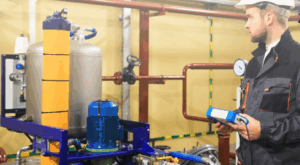 Plumbing in expansive, multi-functional warehouses must be easy to maintain. Poorly designed systems that require extensive disassembly for simple repairs can be a drain on resources. Clear access panels, centralized valve placements, and real-time monitoring technology all improve the maintainability of the system.
Preventative maintenance schedules should be established based on the building’s usage. Areas prone to grease buildup, scale, or high sediment loads must be inspected more frequently. Emergency shutoff systems should be well-labeled and readily accessible. In mission-critical operations, redundancy—such as backup pumps or dual water heaters—may be necessary to ensure consistent service.
Code and Permit Considerations
Multi-use warehouses face a complex web of building codes, plumbing regulations, and health ordinances. The plumbing system must be carefully planned to meet all local, state, and sometimes federal guidelines. This includes permitting for fire suppression systems, cross-connection controls, stormwater discharge, and any specialized process piping.
Professional plumbing engineers and contractors familiar with industrial, commercial, and sometimes residential codes must be engaged early in the design process. They can help interpret overlapping requirements and propose practical, cost-effective solutions that don’t compromise safety or performance.