Extreme heat has become increasingly common in many regions around the world, placing strain not only on power grids and human health but also on infrastructure like plumbing systems. While often overlooked, plumbing networks face significant challenges during intense heat waves. Prolonged exposure to high temperatures can weaken pipe materials, increase water demand, affect water pressure, and even compromise water quality. Understanding how plumbing systems are designed to handle extreme heat is crucial for both homeowners and professionals responsible for maintaining these systems.
Thermal Expansion and Its Impacts
One of the most immediate effects of high temperatures on plumbing systems is thermal expansion. As temperatures rise, the materials that make up pipes—whether metal or plastic—expand. This may sound minor, but over time, repeated cycles of expansion and contraction can cause joints to loosen, seals to fail, and even pipes to warp or crack. For example, copper pipes, known for their durability, can expand significantly when exposed to extreme heat, potentially leading to stress fractures if not properly installed with expansion allowances.
To mitigate these risks, many modern plumbing systems incorporate expansion joints or loops that allow the pipe to flex slightly as it expands. In addition, proper spacing, insulation, and material selection during installation help reduce the strain caused by heat-related expansion.
Material Matters in Hot Climates
The materials used in a plumbing system can greatly influence how well it withstands high temperatures. In extremely hot climates, plastic pipes such as PVC and PEX are more vulnerable to heat damage. PVC, for instance, begins to soften at temperatures above 60°C, and prolonged exposure can cause permanent deformation. PEX fares better but still requires careful installation practices to avoid exposure to direct sunlight or excessive ambient heat.
Metal pipes, such as copper and galvanized steel, generally perform better in heat but can still face challenges related to expansion and corrosion. In desert or tropical regions, choosing UV-resistant and heat-tolerant piping materials has become an essential practice. Plumbers may also opt for multilayer composite pipes that combine the best features of both plastic and metal, providing improved flexibility, thermal resistance, and longevity.
Water Temperature and Quality Considerations
Heat doesn’t only affect the plumbing materials themselves; it also has a direct impact on water quality. During extended periods of high temperatures, water in outdoor pipes or above-ground systems can become hot enough to pose scalding risks or encourage microbial growth, such as Legionella bacteria. If water in storage tanks or pipes heats up excessively, it may become stagnant or create an ideal environment for contamination.
To counter this, many plumbing systems in hot regions include temperature controls, pressure regulators, and insulation to maintain safe and stable water temperatures. In commercial buildings, automatic flushing systems help ensure water doesn’t sit unused for too long in hot conditions. Some homes even incorporate cooling loops or heat-exchange mechanisms to keep water at a more consistent and safe temperature.
Increased Demand and System Strain
Extreme heat often coincides with higher water usage due to increased irrigation, cooling needs, and personal hydration. This spike in demand can place a heavy burden on plumbing systems, especially in older buildings or underdeveloped areas. If pipes are not sized adequately or water pressure is not regulated effectively, the system can suffer from low pressure, backflow issues, or even complete failure in some cases.
Municipal water systems are also affected, with water main breaks and distribution problems more likely during heatwaves. In such scenarios, plumbing systems must rely on built-in resilience, including backup pumps, booster systems, and pressure-balancing valves, to keep water flowing efficiently despite increased demand.
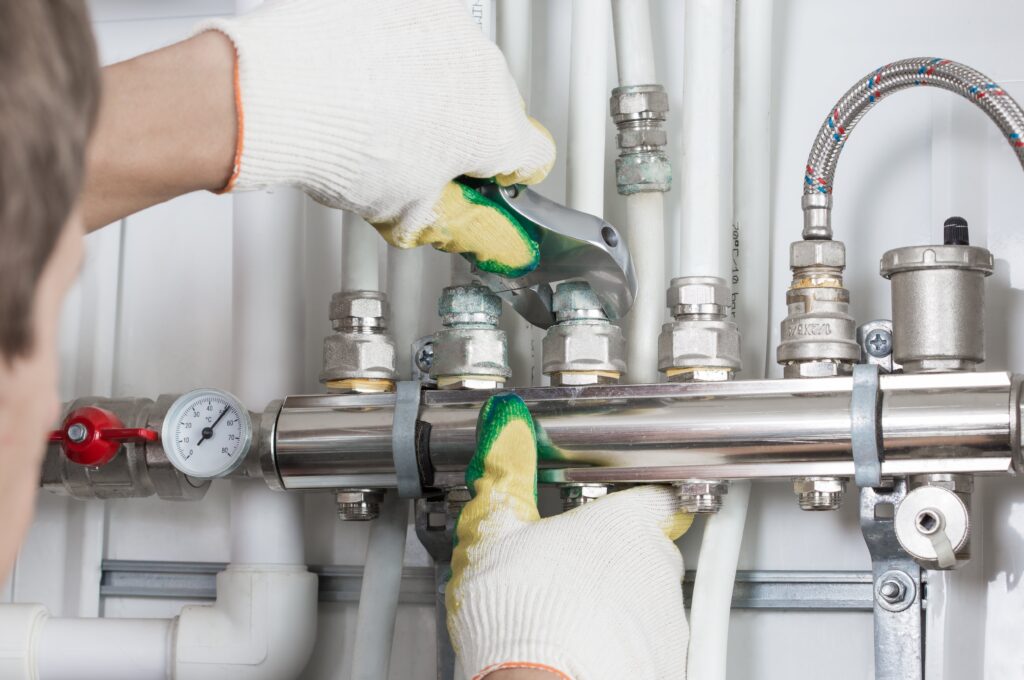
Plumbing System Insulation and Design Features
Insulating plumbing pipes isn’t just a strategy for cold climates; it plays a crucial role in protecting pipes from overheating. Proper insulation helps maintain consistent water temperatures and prevents pipe materials from reaching temperatures that could cause deformation or chemical leaching. In outdoor plumbing installations, reflective insulation or burying pipes deeper into the ground can help reduce exposure to direct heat.
Additionally, system design considerations like looped piping layouts and zoned water distribution help balance the system during temperature extremes. These design choices allow for more even water pressure and temperature control, reducing the risks associated with hot weather stress.
Smart Plumbing Technologies as a Solution
The rise of smart plumbing technology offers new ways to monitor and adapt to the effects of extreme heat. Sensors installed in pipes can detect fluctuations in temperature and pressure, allowing for real-time adjustments. Leak detection systems help catch problems early, especially when pipe joints are under extra strain due to heat expansion.
Automated shut-off valves can respond instantly to signs of distress, preventing serious water damage from burst pipes. These technologies not only help during heat events but also contribute to the overall efficiency and longevity of the plumbing system.
Green Roofing and Shading Techniques
In buildings where the roof and exterior pipes are exposed to direct sunlight, heat management becomes a structural issue as much as a plumbing concern. Green roofing systems and strategic shading, such as planting trees or installing pergolas, can help lower rooftop temperatures. These passive cooling techniques reduce the surrounding air temperature and prevent pipes from becoming overheated.
By reducing direct exposure, such measures contribute to the preservation of pipe materials, especially plastic ones, and help maintain safer water temperatures. Architects and plumbers working in hot climates increasingly collaborate on these integrated solutions during the planning phase of construction.
Emergency Preparedness and Maintenance Protocols
When dealing with heat, maintenance takes on a preventative role. Regular inspections during the warmer months can help identify potential weak points such as corroded joints, loose fittings, or early signs of leaks. In commercial buildings and apartment complexes, it’s essential to monitor booster pumps, expansion tanks, and hot water systems more frequently during heatwaves.
Emergency plans should also be in place, especially in areas prone to both heat and drought. Plumbing systems need contingency measures like water rationing strategies, backup water storage tanks, and alternate supply lines in case of municipal supply failure. These proactive steps can make a major difference during extreme weather events.
Climate Change and Long-Term Planning
As climate change continues to increase the frequency and severity of heatwaves, plumbing systems will need to adapt even further. Future designs will likely incorporate more advanced materials, better insulation, and greater automation to handle prolonged heat exposure. The concept of climate-resilient infrastructure is gaining attention, with plumbing playing a vital role in both residential and public health contexts.
Urban planners and civil engineers are now considering how regional heat patterns affect not only new construction but also existing infrastructure. Retrofitting older buildings with modern plumbing systems designed for heat resilience is becoming a priority in many cities worldwide.