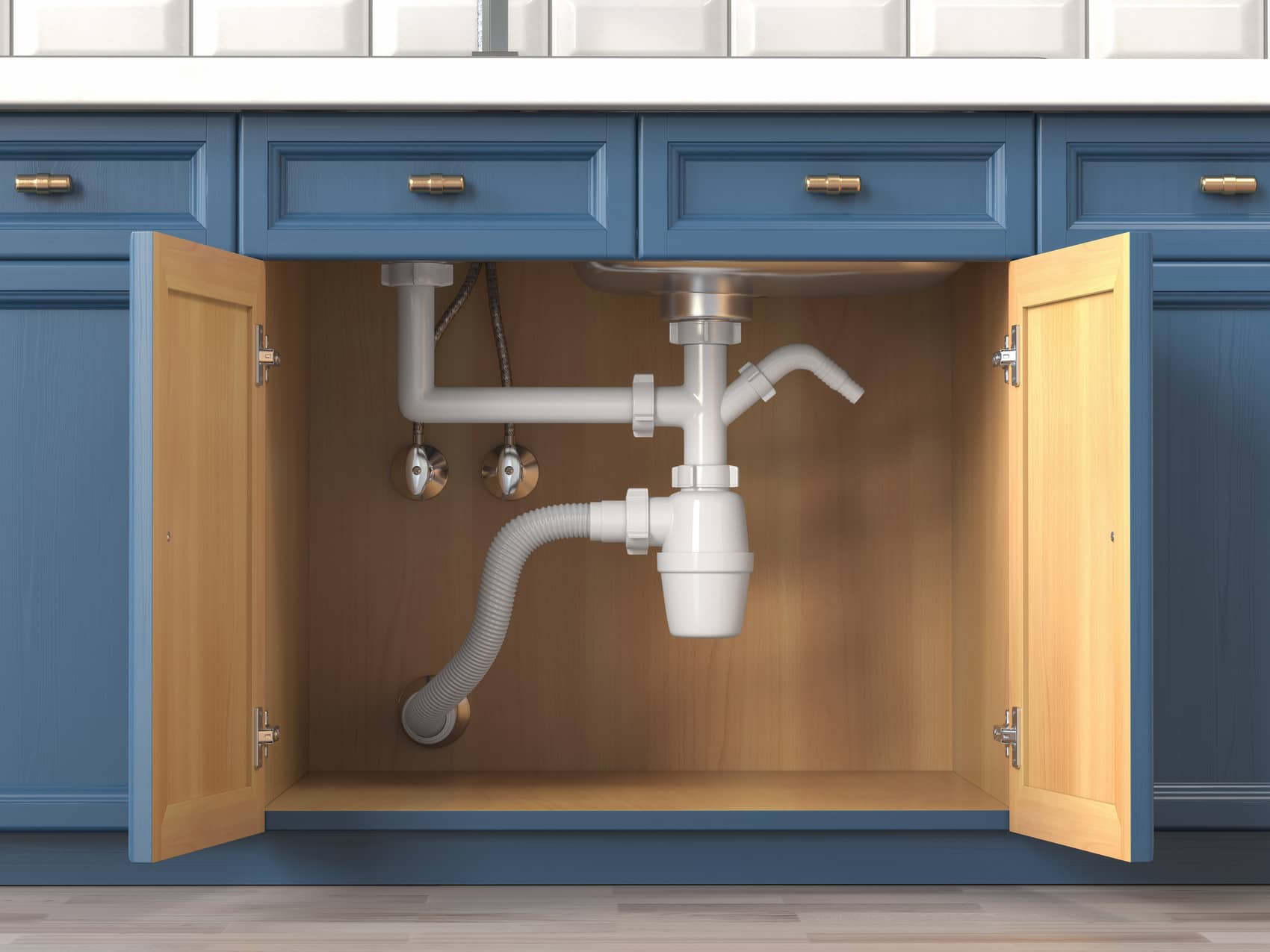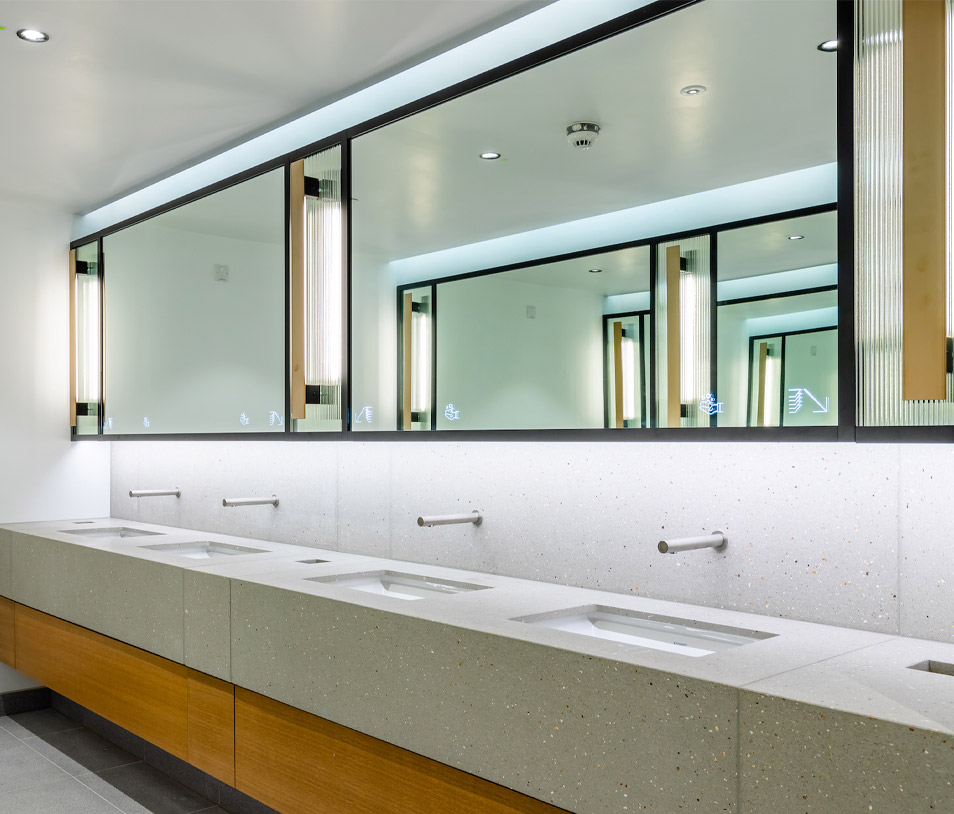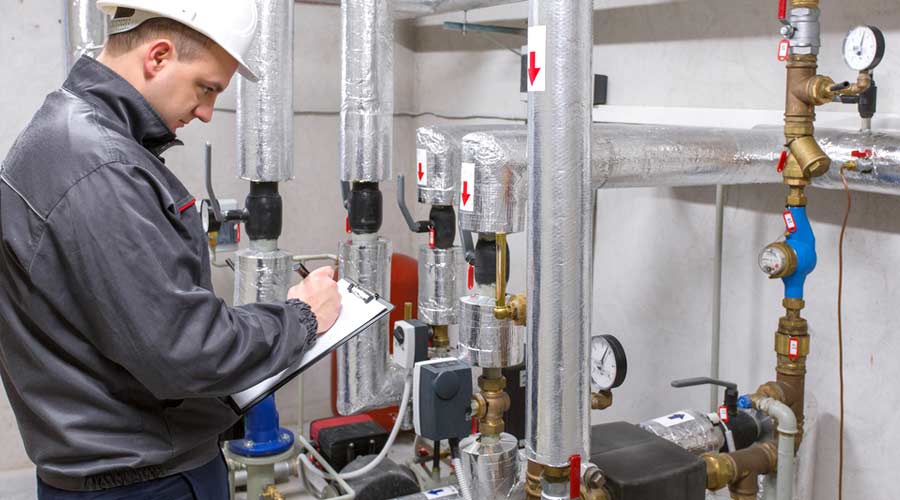
Smart healthcare facilities represent the pinnacle of technological integration in medical environments, merging innovation with patient-centered care. At the heart of these futuristic institutions lies a critical but often overlooked component—plumbing. More than a utility, modern plumbing systems in smart healthcare settings support hygiene, efficiency, infection control, and sustainability. The complexity of these facilities demands plumbing solutions that are as intelligent and adaptable as the systems they support.
Plumbing in healthcare is not merely about moving water in and waste out. In smart environments, it forms a part of a comprehensive infrastructure that ensures patient safety, supports advanced medical equipment, and facilitates smooth facility operations. Whether delivering purified water for surgical procedures or efficiently disposing of biohazardous waste, plumbing systems have evolved into crucial health-supporting mechanisms.
Designing for Sterility and Infection Control
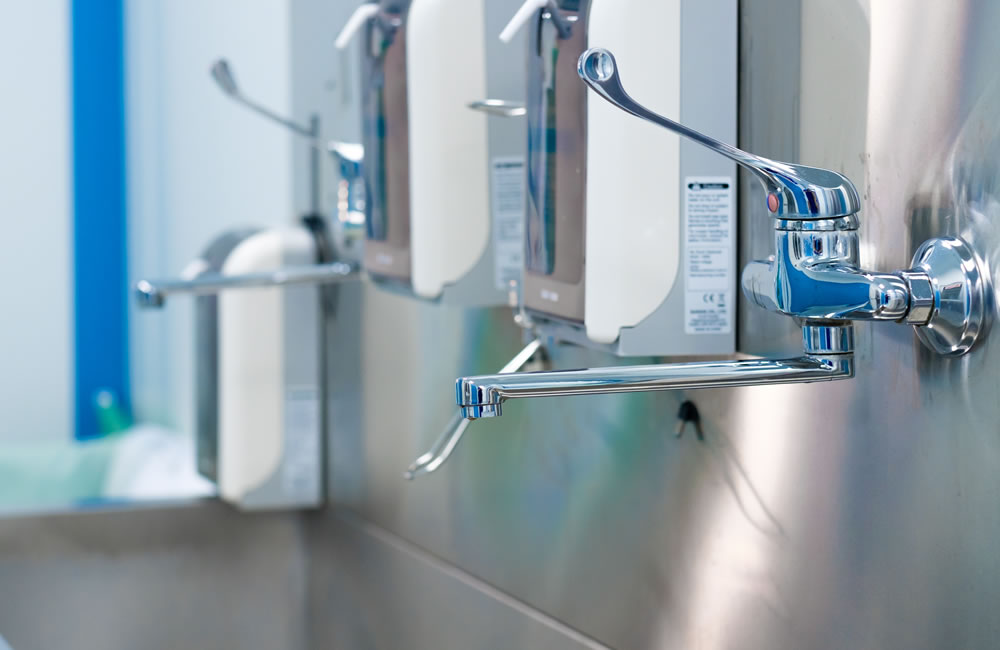
Infection control is paramount in any healthcare setting. The plumbing infrastructure plays a vital role in maintaining sterility and preventing the spread of contaminants. Smart plumbing designs now include features such as sensor-activated faucets, automated flushing systems, and antimicrobial materials that minimize physical contact and bacterial growth.
Waterborne pathogens, such as Legionella, pose significant risks in hospital environments. Smart plumbing systems are equipped with real-time monitoring technologies that detect fluctuations in water temperature, pressure, and microbial levels. This data is instantly analyzed and can prompt immediate action to prevent outbreaks. Moreover, plumbing in isolation rooms and surgical suites is designed to operate independently or in a controlled loop to reduce cross-contamination.
Integration with Building Management Systems
Today’s healthcare facilities are interconnected ecosystems. Plumbing systems are now integrated into the broader Building Management Systems (BMS), enabling real-time monitoring and centralized control. Sensors embedded within pipes detect leaks, pressure imbalances, and usage anomalies. These sensors communicate with the BMS to provide actionable data to facility managers.
This level of integration ensures that potential problems can be addressed before they escalate. It also enables predictive maintenance, reducing downtime and ensuring that critical services remain uninterrupted. For example, if a sterilization unit relies on a consistent flow of purified water, any disruption in the plumbing can trigger immediate alerts and backup solutions.
Water Efficiency and Sustainability in Smart Facilities
Water is a precious resource, and healthcare facilities are among the largest consumers. With environmental responsibility becoming increasingly important, smart plumbing systems are designed to optimize water usage. Low-flow fixtures, greywater recycling, and rainwater harvesting are commonly integrated features.
Additionally, plumbing systems are now engineered to support sustainability certifications like LEED or WELL. These systems track and manage water usage, ensuring that conservation goals are met without compromising performance. Advanced filtration systems ensure that even recycled or harvested water meets stringent hygiene standards before being reintroduced into the facility.
In operating theatres, laboratories, and dialysis units, water purity is critical. Smart plumbing ensures that high-grade filtration and sterilization methods are employed at point-of-use stations. Automated monitoring confirms compliance with required purity levels and sends alerts if deviations are detected.
Supporting Specialized Medical Equipment
The growing reliance on medical technologies has increased demand for highly specialized plumbing setups. Imaging machines, dialysis units, sterilizers, and laboratory analyzers often require tailored water supplies and waste management systems. These systems must meet exacting specifications, such as specific pressure, temperature, and purity levels.
Plumbing engineers must work closely with healthcare planners and equipment manufacturers to design systems that meet these requirements. In smart facilities, remote diagnostics and control mechanisms ensure that water delivery to critical equipment is consistent and within optimal parameters.
For instance, in surgical environments, the availability of sterile water on demand is non-negotiable. Plumbing systems must deliver water that is not only purified but also heated or cooled to exact temperatures. These conditions are maintained by intelligent controllers that respond to real-time data and adjust system parameters accordingly.
Smart Plumbing in Emergency Preparedness
Emergencies in healthcare settings—whether natural disasters, pandemics, or system failures—require robust and responsive infrastructure. Smart plumbing systems enhance a facility’s ability to remain operational under stress. Features like backup water supplies, emergency shutoff valves, and automated diagnostics ensure resilience and continuity of care.
During a crisis, the ability to isolate sections of the plumbing system becomes vital. Smart valves and zone-based control allow facility managers to manage resources effectively, maintaining water supply to critical zones like ICUs and operating rooms while shutting off less essential areas.
Additionally, in the event of contamination, automated alerts and rapid isolation protocols can prevent the spread of waterborne hazards. These systems not only protect patients and staff but also ensure that healthcare facilities can resume normal operations swiftly once the threat has been mitigated.
Enhancing Patient and Staff Experience
In a smart healthcare facility, patient comfort and staff efficiency go hand in hand. Plumbing plays a subtle but important role in both. From temperature-controlled showers to noise-reducing pipe materials, thoughtful plumbing design contributes to a healing environment.
For staff, hands-free technology in sinks and toilets reduces the risk of contamination and streamlines workflow. In patient rooms, bedside sinks and integrated hygiene stations ensure that infection control protocols are easy to follow and accessible. The use of smart water dispensers that monitor temperature and volume adds another layer of convenience and safety.
These user-focused elements are managed through centralized systems that adjust water flow and temperature based on time of day, usage patterns, or occupancy levels. This level of customization supports a more personal and efficient healthcare experience.
Digital Twin Technology in Plumbing Management
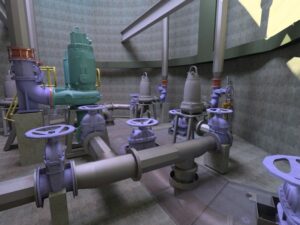 The adoption of digital twin technology in smart healthcare is expanding to include plumbing infrastructure. A digital twin is a virtual representation of a physical system, updated in real-time through sensor data. For plumbing, this means facility managers can simulate various scenarios, monitor system performance, and test upgrades before implementing them in real life.
Digital twins can help identify stress points in plumbing systems, predict wear and tear, and assist in strategic maintenance planning. This reduces the need for invasive diagnostics and minimizes service interruptions, especially in critical care areas.
As a result, digital twins are becoming essential tools in large smart hospitals, where maintaining system integrity and planning expansions or retrofits require detailed insights into plumbing performance and capacity.
The Role of Automation and AI in Plumbing Operations
Artificial intelligence and machine learning are being applied to plumbing operations in smart facilities to analyze patterns, detect inefficiencies, and forecast system needs. These technologies improve resource management and contribute to cost savings.
For example, AI can monitor water consumption trends across departments and adjust supply to reduce waste. It can also predict system failures, enabling preemptive repairs and avoiding costly emergency interventions. Machine learning models can even recommend design optimizations for new construction or retrofitting projects.
Automated reporting also supports compliance with regulatory standards by logging water quality data, maintenance records, and incident responses. This documentation is vital for audits and can be accessed easily through cloud-based platforms.
Future Trends and Innovations in Smart Plumbing
The future of plumbing in smart healthcare facilities will continue to evolve alongside advancements in technology and sustainability. Biometric access to water dispensing units, personalized hygiene programs, and real-time global monitoring of water systems are on the horizon.
Materials are also evolving. New piping systems are being developed using antimicrobial polymers that further reduce the spread of infections. Nanotechnology may soon be incorporated into filtration systems to remove even the smallest contaminants from water supplies.
The convergence of the Internet of Things (IoT) with plumbing is accelerating. In the near future, every faucet, valve, and drainage point could be connected, generating a constant stream of actionable data to support decisions on maintenance, resource allocation, and user experience.