In the modern age of smart homes and intelligent infrastructure, plumbing has undergone a significant transformation. No longer limited to traditional pipes and fixtures, today’s plumbing systems integrate advanced technologies that enhance convenience, efficiency, and sustainability. For homeowners and commercial developers alike, understanding what to look for in high-tech plumbing solutions can help ensure that your property is not only up-to-date but also future-ready.
The Rise of Intelligent Plumbing Systems
Modern plumbing no longer simply delivers water and removes waste. With the integration of smart technology, plumbing systems are becoming intelligent networks that can monitor, regulate, and even learn from daily usage patterns. These systems offer real-time updates, predictive maintenance alerts, and automated functions that make managing water usage simpler and more effective.
For example, smart water sensors installed in vulnerable areas can detect leaks before they become disasters. Paired with mobile apps, these systems notify users instantly, allowing quick action that can save thousands in repair costs and prevent extensive damage.
Touchless Fixtures for Hygiene and Efficiency
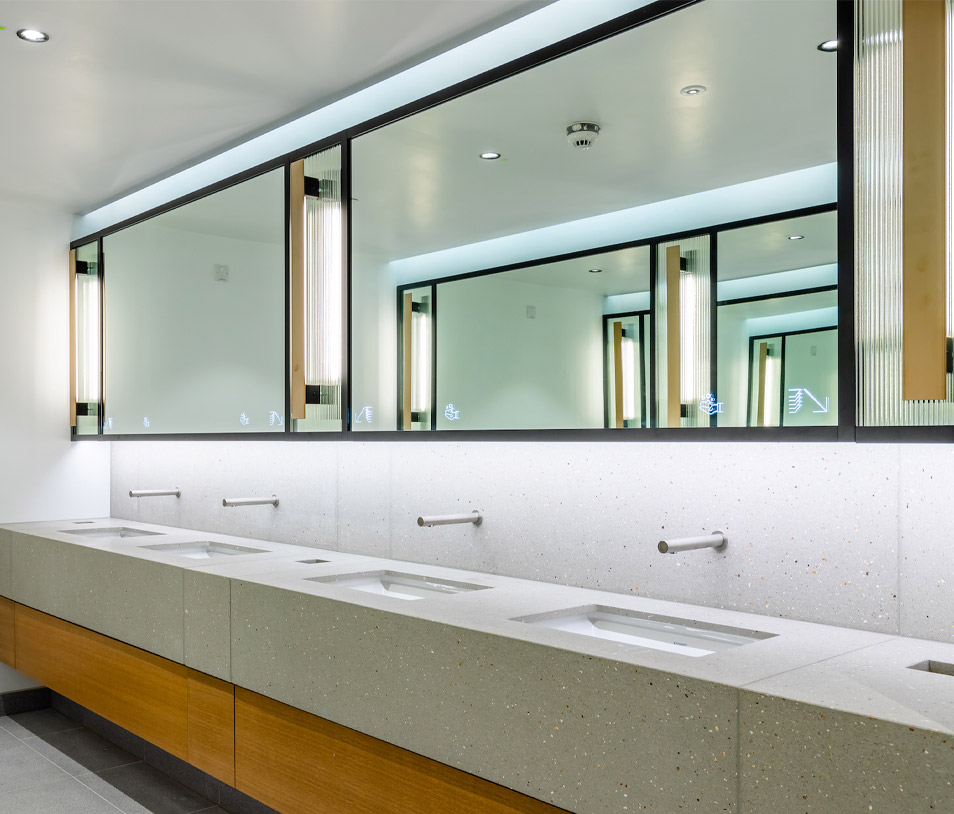
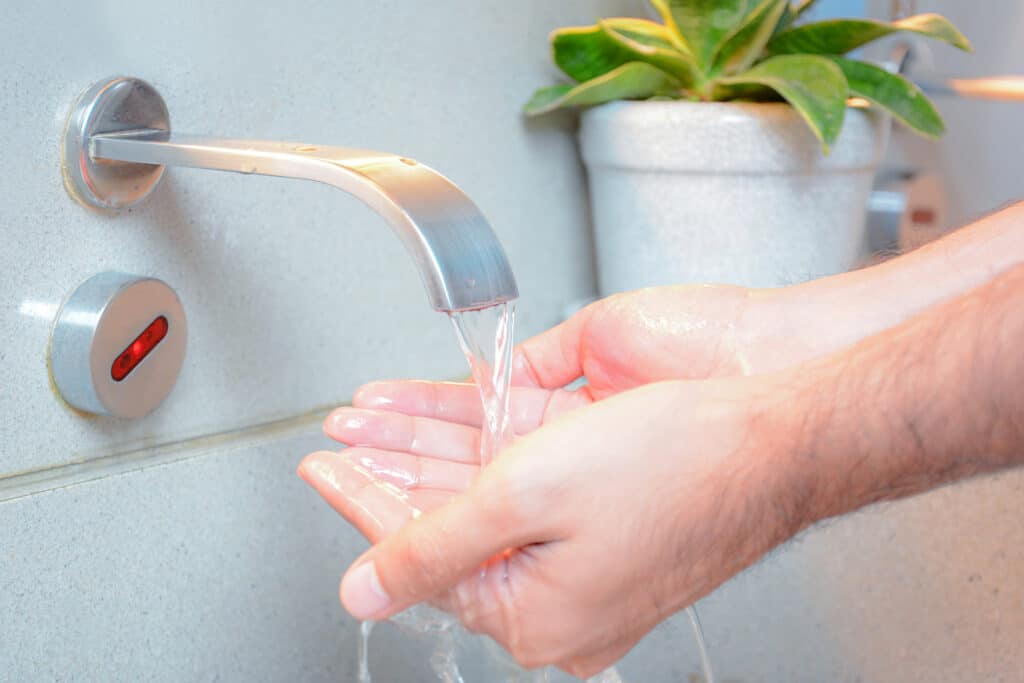
One of the most popular high-tech plumbing features seen in both residential and commercial spaces is touchless technology. Faucets, soap dispensers, and flush systems that operate using motion sensors reduce the risk of germ transmission and are more water-efficient than traditional models.
Especially in kitchens and bathrooms, touchless fixtures bring together hygiene and user-friendly design. These are not only ideal for families but also for aging individuals or those with limited mobility, offering accessibility without compromising aesthetics or performance.
Smart Showers and Digital Controls
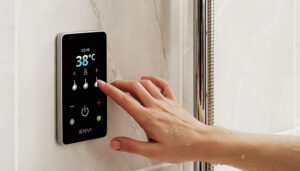 The showering experience has been reimagined with digital controls that allow precise temperature adjustments, water pressure settings, and even customized user profiles. With these systems, users can enjoy consistent comfort every time they step into the shower, and some models even offer app-based control for pre-heating water remotely.
Smart showers also contribute to water conservation by regulating flow rates and setting timers to reduce excessive use. For households aiming to reduce their environmental footprint, this feature adds both luxury and sustainability to daily routines.
Advanced Leak Detection Technology
Leak detection has become far more sophisticated thanks to smart plumbing innovations. Rather than relying on visible signs or high utility bills as indicators, new systems use sensors, flow meters, and AI to detect unusual water patterns and alert users instantly.
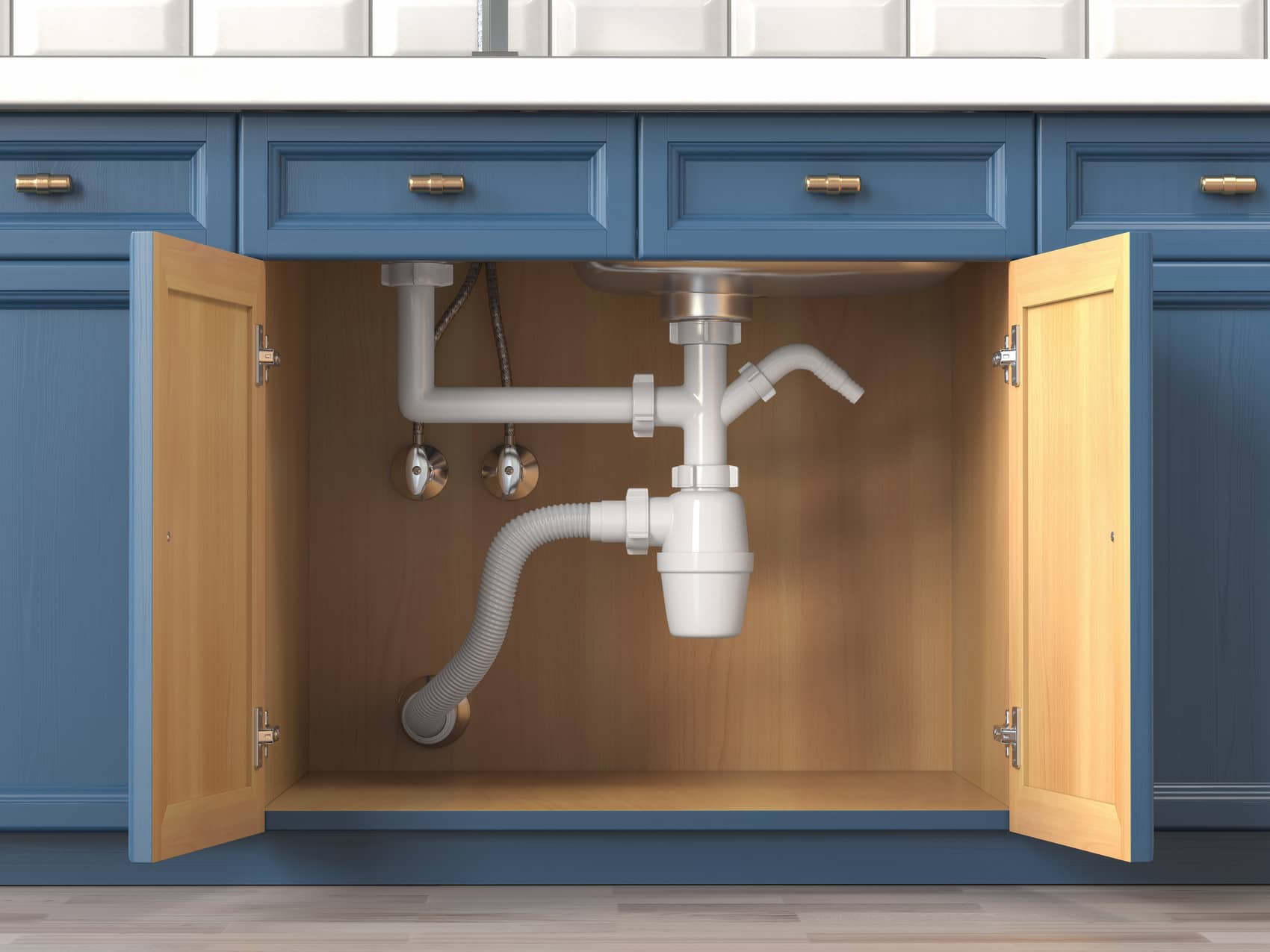
These devices are often installed near water heaters, under sinks, or in basements—areas most prone to undetected leaks. Many models shut off the main valve automatically when a significant leak is identified, mitigating the risk of water damage while the homeowner is away or asleep.
High-Efficiency Water Heaters
Conventional water heaters are being replaced by high-efficiency models that include smart features such as Wi-Fi connectivity, self-diagnostic capabilities, and even voice control. Tankless water heaters, for example, heat water on demand rather than storing it, making them more energy-efficient and space-saving.
These smart water heaters often integrate with home automation systems and provide energy usage data that can help users better manage their consumption. They also allow for scheduling and remote control, adding flexibility to busy lifestyles.
Greywater Recycling Systems
Water conservation is a priority for many modern homeowners, and greywater recycling systems provide an innovative way to reduce waste. These systems capture water from showers, sinks, and laundry machines, then treat it for reuse in toilet flushing or irrigation.
Though installation can be complex, the long-term savings and environmental benefits are significant. High-tech versions include sensors and filtration mechanisms that ensure the water remains safe for its intended use, with minimal user intervention required.
Pipe Health Monitoring Systems
Pipes are the veins of any plumbing system, and when they fail, the consequences can be severe. With pipe health monitoring technologies, sensors placed along the network can track water pressure, temperature, and even the structural integrity of the pipes themselves.
These systems provide early warnings about corrosion, blockages, or temperature drops that could lead to freezing. Such predictive capabilities allow maintenance teams or homeowners to address issues before they escalate, increasing the lifespan of the entire plumbing system.
Voice-Activated Plumbing Controls
The integration of voice assistants like Alexa, Google Assistant, and Siri into plumbing systems is growing. From turning on faucets to adjusting water temperature in the bathtub, voice-activated plumbing offers hands-free convenience that aligns with the overall smart home ecosystem.
This feature is especially beneficial in the kitchen, where multitasking is common. Asking a faucet to dispense a specific volume of water or to pause flow while your hands are full brings a level of control that was unimaginable a decade ago.
Smart Irrigation Systems for Outdoor Plumbing
Outdoor plumbing solutions have also seen major upgrades. Smart irrigation systems now use weather data, soil sensors, and seasonal patterns to manage watering schedules more efficiently. These systems help homeowners maintain vibrant landscapes without wasting water or overwatering plants.
Connected via smartphone apps, users can control irrigation zones, receive performance updates, and adjust settings from anywhere. For homeowners focused on sustainability and lower water bills, smart irrigation is an invaluable investment.
Eco-Friendly Plumbing Materials and Components
In addition to smart devices, the materials used in plumbing systems are also evolving. Eco-conscious homeowners now have access to pipes, fixtures, and fittings made from recyclable or non-toxic materials. Advanced coatings reduce the risk of corrosion and scaling, leading to fewer repairs and cleaner water.
Some manufacturers even embed antimicrobial properties in the materials to ensure that water remains uncontaminated as it flows through the plumbing system. These innovations contribute to a healthier living environment and align with green building practices.
App Integration and System Compatibility
A crucial factor in choosing high-tech plumbing systems is ensuring they integrate smoothly with other smart home technologies. Systems that come with their own dedicated apps and also support integration with platforms like Apple HomeKit or Samsung SmartThings provide a more seamless user experience.
The ability to control and monitor all water-related appliances and devices from a single interface greatly enhances usability. Whether you’re checking on water usage, receiving maintenance alerts, or adjusting temperatures, app integration simplifies the process while increasing control.
Energy and Water Usage Analytics
Modern plumbing systems are not just reactive—they’re informative. By offering insights into daily usage patterns, these systems help users become more aware of their consumption habits. With detailed analytics, homeowners can set goals, identify wasteful behaviors, and take steps toward reducing their environmental footprint.
This data is also valuable for families with variable water needs or for those managing rental properties. By understanding when and how water is used, smarter decisions can be made regarding upgrades, repairs, or behavioral changes.
Installation and Professional Support
While high-tech plumbing features bring immense benefits, they also require skilled installation and sometimes ongoing technical support. It’s essential to work with professionals who are experienced with smart systems and can ensure compatibility across various devices.
Well-executed installation not only guarantees optimal performance but also extends the longevity of the technology. Many smart plumbing products come with warranties and support plans, offering peace of mind alongside innovation.
Security and Privacy Considerations
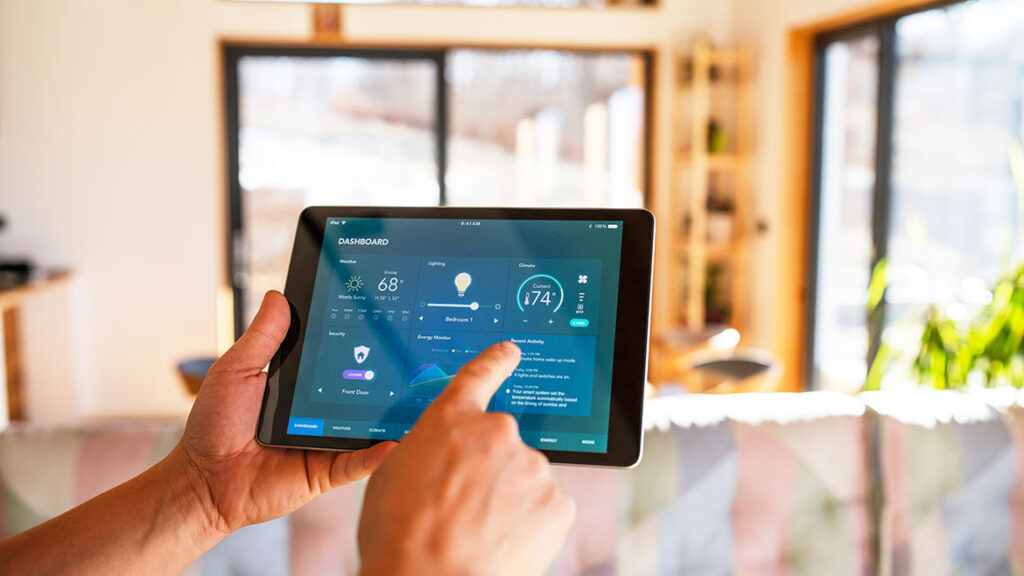
As plumbing becomes more connected, it also becomes more exposed to potential digital vulnerabilities. Homeowners must consider the cybersecurity aspect of smart plumbing. Choosing systems with encrypted data, secure login protocols, and firmware updates can protect against unauthorized access or control.
Secure networks and regular updates are key components of maintaining the safety and functionality of smart plumbing systems. As with any digital infrastructure, vigilance ensures that the convenience does not come at the cost of security.
Sustainability in Smart Plumbing Design
Sustainability is at the heart of many high-tech plumbing innovations. From reducing water waste to optimizing energy use, smart systems contribute to broader environmental goals. Homes that integrate these solutions often achieve better ratings for green certification programs, adding value to the property.
With climate concerns growing, the demand for sustainable plumbing technology will likely increase. Investing in systems that support conservation can position homeowners ahead of the curve, both ethically and economically.