As cities across the globe evolve into intelligent, interconnected ecosystems, the demand for advanced infrastructure solutions becomes more pronounced. Among these, plumbing systems—often hidden beneath the surface—are experiencing a remarkable transformation. In data-driven smart cities, plumbing is no longer a passive utility; it has become a proactive network powered by sensors, analytics, and automation. These innovations allow urban areas to manage water resources more efficiently, detect issues before they escalate, and align with the broader goals of sustainability and resilience.
How Data Shapes the Modern Plumbing System
The infusion of data into plumbing begins with real-time monitoring. Advanced sensors are now embedded within pipelines, meters, and even household plumbing fixtures. These devices gather information on water pressure, flow rates, temperature, and potential contaminants. When integrated with data analytics platforms, this information becomes a powerful tool for optimizing the entire water distribution system. Operators can identify irregular patterns, detect leaks almost instantly, and adjust the supply according to real-time demand.
This proactive use of data significantly reduces water loss, one of the most pressing issues faced by traditional plumbing networks. In many cities, aging infrastructure leads to millions of gallons lost each day through undetected leaks. With smart plumbing, those losses can be minimized, translating into environmental and financial benefits.
Predictive Maintenance and Infrastructure Longevity
One of the standout advantages of smart plumbing systems is the ability to predict problems before they occur. Traditional maintenance routines often rely on scheduled inspections or responses to visible issues. In contrast, data-driven approaches allow city managers and utility companies to implement predictive maintenance.
By analyzing trends and anomalies in the data, systems can forecast when a pipe might fail or when a component is nearing the end of its service life. This preemptive model not only extends the lifespan of infrastructure but also helps avoid service disruptions and costly emergency repairs. It enables budget planning based on actual wear and tear rather than generalized assumptions, improving overall urban resilience.
Enhancing Water Quality Through Digital Oversight
 Public health is directly tied to water quality, making the role of plumbing in smart cities even more crucial. Modern systems employ a range of digital tools to monitor water quality at every stage of the distribution process. This includes real-time tracking of pH levels, turbidity, chlorine concentration, and the presence of heavy metals or harmful microorganisms.
Automated alerts can be triggered when these parameters fall outside safe thresholds, allowing for immediate intervention. In some smart cities, water quality data is even made accessible to the public through mobile apps or online dashboards, fostering transparency and empowering residents to make informed choices.
Smart Plumbing and Sustainable Water Use
Water conservation is a cornerstone of sustainable city planning, and smart plumbing plays a pivotal role in achieving this goal. Data analytics enables more precise management of water resources, ensuring that supply meets demand without excess. In homes and commercial buildings, smart meters provide feedback on consumption patterns, encouraging users to adopt water-saving behaviors.
Additionally, smart irrigation systems are transforming how green spaces in cities are maintained. These systems adjust watering schedules based on weather forecasts and soil moisture data, significantly reducing unnecessary water use. On a larger scale, municipalities can use collected data to plan and promote water reuse strategies, such as harvesting greywater or integrating stormwater into non-potable applications.
Integration with Broader Smart City Ecosystems
In a truly interconnected city, plumbing systems do not function in isolation. They are part of a larger network that includes energy grids, transportation, telecommunications, and waste management. Through integrated data platforms, these systems can collaborate and share information, creating a holistic approach to urban management.
For example, during heavy rainfall events, data from weather stations and flood sensors can trigger actions within the plumbing system to prevent overflow or contamination. Similarly, during fire emergencies, smart hydrants and water distribution controls can prioritize supply where it’s needed most. This level of interconnectivity elevates plumbing from a background utility to an essential player in real-time city management.
Building Resilience Against Climate Change
Smart plumbing systems also bolster a city’s ability to withstand and adapt to the impacts of climate change. With rising temperatures and shifting rainfall patterns, urban water management faces new challenges. Droughts, floods, and extreme weather events can severely strain outdated infrastructure. Data-driven plumbing solutions offer adaptive strategies to handle these stressors more effectively.
By analyzing environmental data alongside water usage patterns, cities can implement dynamic policies, such as tiered usage rates during drought conditions or automated flood prevention measures during storms. These strategies not only protect infrastructure but also support the broader goal of building climate-resilient communities.
Challenges and Considerations in Smart Plumbing Implementation
Despite the promising benefits, implementing smart plumbing infrastructure is not without challenges. One significant hurdle is the cost of upgrading existing systems, particularly in older cities where infrastructure may be deeply embedded and difficult to access. There is also the need for robust cybersecurity protocols to protect sensitive data and prevent malicious interference in essential services.
Another concern is the digital divide. While smart technology can enhance water access and quality, it can also deepen inequities if underserved communities are left out of the infrastructure upgrades. Inclusive planning and equitable investment are critical to ensure that all residents benefit from these advancements.
Interoperability is also a technical challenge. With a variety of manufacturers and technology standards, ensuring that all components of the smart plumbing network communicate seamlessly can be complex. Collaborative efforts across industries and government agencies are required to establish common protocols and shared platforms.
Empowering Citizens Through Smart Plumbing
One of the subtle yet powerful impacts of data-driven plumbing is the empowerment of city residents. By gaining access to water usage data, individuals can monitor their consumption, detect leaks in their homes, and make eco-conscious choices. Educational campaigns and user-friendly digital interfaces can amplify this effect, turning passive consumers into active participants in the sustainability journey.
In some cities, gamification features have been introduced, rewarding households that reduce their water consumption or maintain optimal usage patterns. These initiatives not only improve efficiency but also strengthen the relationship between residents and public utilities.
Future Trends in Smart Plumbing
 As technologies continue to advance, the future of smart plumbing holds exciting possibilities. Artificial intelligence is poised to play a larger role in managing plumbing systems, offering even greater precision in predictions and decision-making. Augmented reality may soon assist field workers in visualizing underground networks during maintenance tasks, improving accuracy and safety.
There is also increasing interest in circular water systems that operate almost entirely off-grid. These systems capture, purify, and reuse water within individual buildings or neighborhoods, significantly reducing reliance on centralized networks. Paired with smart monitoring tools, such innovations could redefine how plumbing is conceptualized and executed in urban environments.
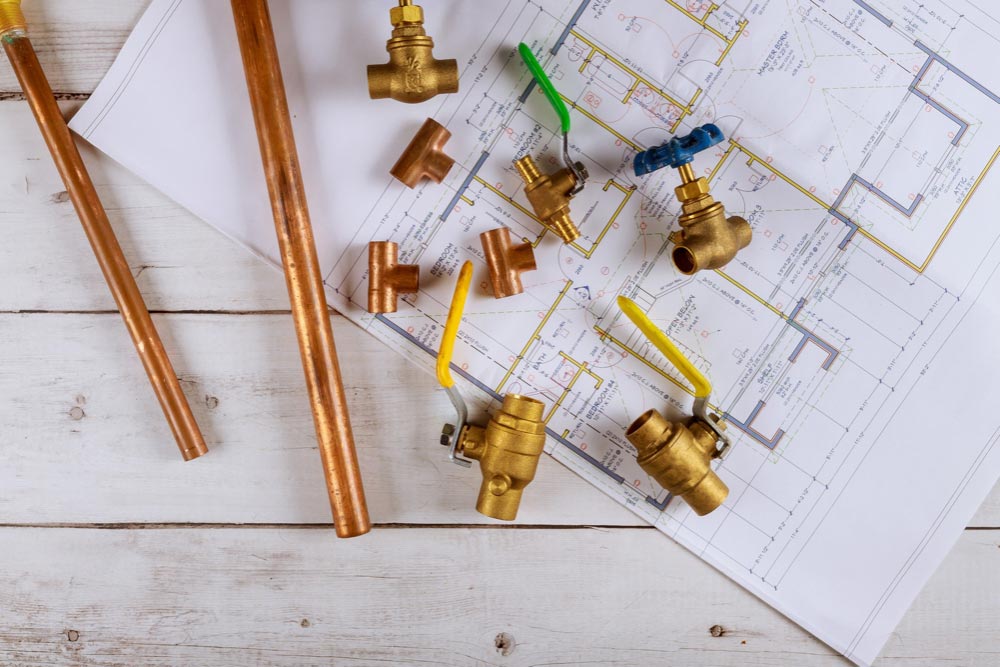
Furthermore, the integration of smart plumbing into building design is becoming more standardized. Architects and developers are increasingly factoring digital infrastructure into blueprints, making it easier to install, manage, and scale smart systems from the ground up.
A Quiet Revolution Beneath Our Feet
While plumbing may not grab headlines like autonomous vehicles or smart energy grids, its transformation in smart cities represents a quiet but powerful revolution. It is a testament to how traditional infrastructure can be revitalized through data, delivering tangible benefits in efficiency, sustainability, and quality of life.
Plumbing in data-driven smart cities exemplifies the blend of technology and necessity, innovation and utility. It operates largely out of sight, yet its impact ripples across every aspect of urban life—from the water we drink to the resilience of the city as a whole. As cities continue to grow smarter, plumbing will remain a foundational element of that evolution, smarter and more vital than ever.