Trenchless plumbing technology has rapidly become one of the most significant innovations in modern plumbing. Known for its minimal disruption and efficient methods, trenchless technology allows plumbers to repair or replace underground pipes without the need for extensive excavation. This method is revolutionizing both residential and commercial plumbing systems, offering long-term solutions that are both eco-friendly and cost-effective. Understanding how it works and why it’s becoming the preferred method can help homeowners and property managers make informed decisions when dealing with plumbing issues.
The Basics Behind Trenchless Plumbing
 At its core, trenchless plumbing involves repairing or replacing underground pipes without digging large trenches. Traditional plumbing repairs often require digging up lawns, driveways, sidewalks, or even interior flooring to access damaged pipes. Trenchless technology changes this approach entirely. Instead of full excavation, it uses advanced equipment to inspect, clean, repair, or replace pipes through small access points.
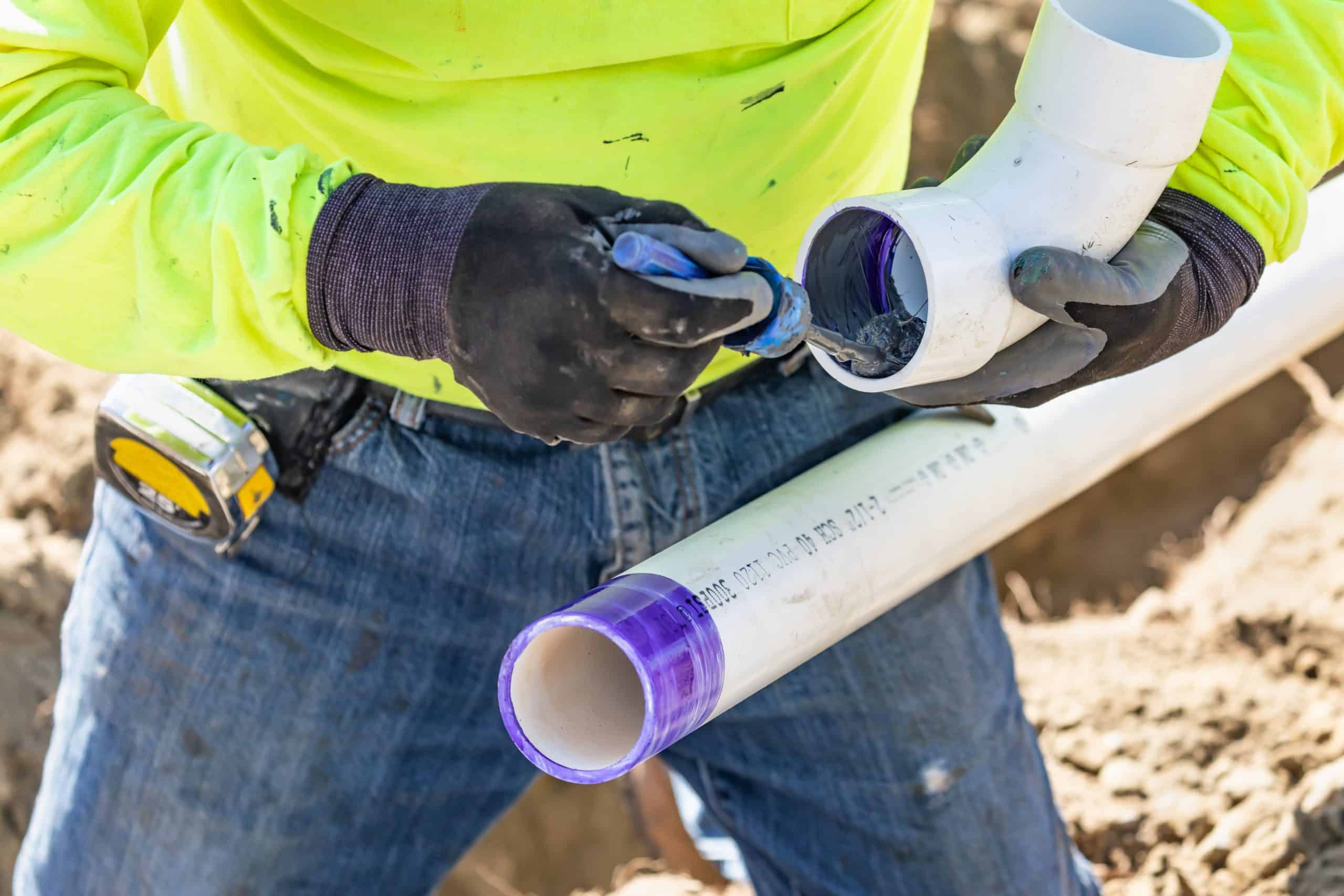
This process relies on modern innovations such as pipe bursting and pipe lining. These techniques allow plumbers to either destroy the old pipe while inserting a new one or create a new pipe inside the existing one using a resin-based material. Because the repairs are conducted beneath the surface with minimal disturbance, the method saves both time and the landscape.
How Pipe Lining Works
One of the most popular trenchless techniques is cured-in-place pipe (CIPP) lining. This method involves inserting a flexible, resin-saturated liner into the damaged pipe. Once in place, the liner is inflated and allowed to cure, typically using hot water, steam, or UV light. As it hardens, it forms a new pipe within the existing one.
The result is a seamless, jointless pipe that resists root intrusion and corrosion. CIPP is ideal for rehabilitating old clay, cast iron, or PVC pipes and extends their life by decades. Importantly, it does not reduce the inner diameter significantly, allowing normal water flow to continue without obstruction.
Exploring Pipe Bursting Technique
Another trenchless method is pipe bursting. Unlike CIPP, this method involves breaking apart the old pipe while simultaneously pulling a new pipe into place. A bursting head is attached to a new pipe, which is then pulled through the old one. As it moves forward, the head fractures the existing pipe outward, creating space for the new installation.
This method is typically used when the old pipe is too damaged or has collapsed. It works with a variety of materials and is effective for upsizing pipelines, as the new pipe can be larger in diameter. Pipe bursting offers a permanent replacement option and is often used for water, sewer, and gas lines.
Camera Inspections and Precision Diagnosis
A key component of trenchless plumbing is the use of video camera inspections. These small, waterproof cameras are inserted into the pipeline to provide a clear view of the pipe’s interior condition. The video footage is transmitted in real-time to a monitor, allowing plumbers to diagnose issues with pinpoint accuracy.
This non-invasive diagnostic tool is essential for determining whether trenchless methods are appropriate. It helps identify blockages, cracks, corrosion, tree root invasion, and misalignments. By seeing exactly what’s wrong, technicians can tailor their repair strategy to be as efficient and cost-effective as possible.
Benefits of Going Trenchless
The main advantage of trenchless plumbing is its ability to minimize surface disruption. With traditional repairs, digging up a yard or driveway can add significant restoration costs. Trenchless methods eliminate this, preserving landscaping and hardscapes. For commercial properties, this means minimal downtime and fewer disruptions to operations.
Time savings are another key benefit. Traditional pipe repair can take several days or even weeks depending on complexity, whereas trenchless solutions can often be completed in a day. This not only speeds up the process but also reduces labor costs.
Durability is another reason many are turning to trenchless methods. The materials used in CIPP and new pipes installed through bursting are designed to last decades. The seamless design resists leaks and root intrusion, two of the most common causes of pipe failure.
Environmentally, trenchless technology is far superior. It avoids unnecessary excavation, reduces material waste, and limits exposure to potentially hazardous underground contaminants. Additionally, fewer heavy machines mean lower carbon emissions during the repair process.
Ideal Situations for Trenchless Plumbing
Trenchless plumbing is suitable for a wide variety of scenarios. It’s particularly beneficial for aging infrastructure in older neighborhoods where traditional pipes are failing due to corrosion or root intrusion. Urban areas with limited space and surface access also benefit greatly, as trenchless techniques don’t require tearing up roads or sidewalks.
Homeowners facing recurring drainage issues or backups might find that trenchless solutions offer a more permanent fix compared to repeated snaking or hydro jetting. Similarly, businesses and municipalities often opt for trenchless methods when seeking long-term infrastructure investments without causing public disruption.
Cost Considerations and Long-Term Value
One common misconception is that trenchless plumbing is more expensive than traditional methods. While the upfront cost may sometimes be higher, the long-term value is often greater. When factoring in restoration expenses, labor, time, and the longevity of the repairs, trenchless plumbing can actually be the more economical choice.
By avoiding excavation and the associated restoration work, property owners can save on landscaping, concrete replacement, and time off work. Moreover, the durability of trenchless repairs means fewer repeat issues, which reduces ongoing maintenance costs.
Limitations and Considerations
Despite its many advantages, trenchless plumbing is not suitable for every situation. Severely collapsed pipes or those in extremely unstable soil may require traditional excavation. Some local codes or regulations may also restrict the use of certain trenchless methods, depending on the pipe location or utility layout.
Additionally, not all contractors are trained or equipped to perform trenchless repairs. Choosing a qualified and experienced plumbing professional is essential to ensure the technology is applied correctly. A reputable plumber will conduct a thorough inspection and explain whether trenchless solutions are appropriate or if traditional methods are more practical.
Choosing the Right Professional for Trenchless Work
 Hiring the right plumber for a trenchless repair job is crucial. Property owners should seek out professionals with certifications in trenchless technology and a track record of successful projects. Asking for references and verifying credentials helps ensure quality work.
A thorough evaluation should always precede any repair recommendation. This includes camera inspections, pipe condition assessments, and a clear explanation of all available options. A transparent quote that outlines the steps, costs, and timeframes allows homeowners to make a confident decision.
Innovations in Trenchless Technology
The trenchless plumbing industry continues to evolve, with new technologies and materials making the process even more effective. Recent advances include UV-cured pipe liners, robotic cutters, and smart sensors that monitor pipe health in real time. These innovations are pushing the boundaries of what trenchless methods can achieve.
UV-cured liners, for instance, offer faster curing times and less environmental impact compared to traditional thermal methods. Robotic equipment can maneuver through tight spaces and perform complex tasks like grinding intrusions or reconnecting branch lines. With the integration of digital diagnostics and AI-driven analysis, trenchless plumbing is becoming more precise and predictive than ever before.
Future of Underground Infrastructure Maintenance
As cities grow and infrastructure ages, trenchless plumbing is likely to become the standard for underground maintenance. Its minimal disruption, long-lasting results, and adaptability make it an essential tool for modern cities and environmentally conscious homeowners.
Governments and municipalities are already adopting trenchless methods in large-scale public works. These projects include sewer main rehabilitation, stormwater system upgrades, and potable water pipeline replacements. As more funding is allocated to infrastructure renewal, trenchless technologies will play a pivotal role in meeting sustainability and efficiency goals.